
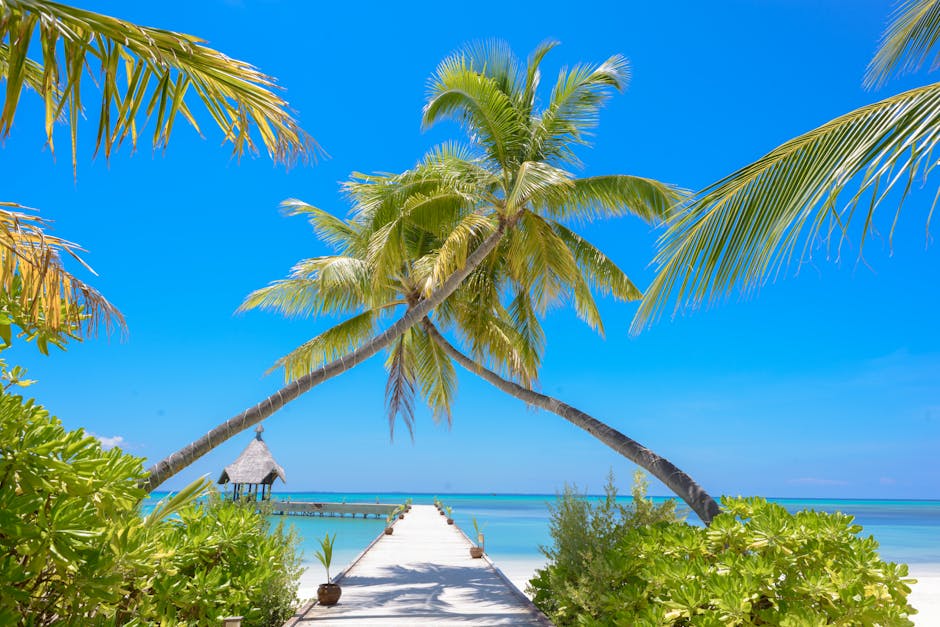
{"summary":"Ten destinations rated for walkability, healthcare access, senior-friendliness, and value. Estimated daily budgets from $80 to $200 with practical tips for every stop.","headline_summary":"Ten destinations rated for walkability, healthcare access, senior-friendliness, and value. Estimated daily budgets from $80 to $200 with practical tips for every stop.","key_takeaways":"Key Takeaways Travelers over 50 spend an average of $6,600 per trip and take 4 or more leisure trips per year, making them the highest-spending travel demographic All 10 destinations were rated on walkability, healthcare access, senior-friendliness, and daily cost to give you an apples-to-apples comparison Daily budgets range from $80 (Costa Rica) to $200 (Charleston and Amalfi Coast), covering mid-range hotels, meals, and activities Travel insurance is non-negotiable for international trips - Medicare does not cover you outside the United States The best time to visit most of these destinations falls in spring or autumn, when crowds thin and temperatures cooperate","paragraphs":["Choosing a travel destination after 50 requires a different calculus than it did at 25. You are not looking for the cheapest hostel or the rowdiest nightlife strip. You want reliable healthcare nearby, walkable streets that will not wreck your knees, genuine cultural depth, and a daily budget that does not require a second mortgage. This list delivers exactly that.","We evaluated dozens of destinations across five criteria: walkability (flat terrain, accessible transit, pedestrian infrastructure), healthcare quality (hospital proximity, English-speaking medical staff, pharmacy access), senior-friendliness (cultural respect for older adults, safety, pace of life), value (what your dollar actually buys per day), and visa simplicity. The result is ten places where travelers over 50 consistently report the best experiences.","Portugal has become the top-ranked destination for older travelers in Europe, and the reasons are tangible. Lisbon's tram system covers the hilly city center so you can explore without climbing every cobblestone slope on foot. The Algarve coastline in the south offers flat boardwalk paths, warm weather eight months of the year, and some of the lowest prices in Western Europe. A quality three-course meal with wine runs $15-25.","Healthcare is excellent - Portugal ranks 12th globally in the WHO healthcare index, and pharmacies carry most common medications without a prescription. English is widely spoken in tourist areas. The country is one of the safest in the world, consistently ranking in the top 7 on the Global Peace Index.","Best time to visit: April-June or September-October. Summer crowds push prices up 30-40%. Estimated daily budget: $100-150 (mid-range hotel, meals, transit, one activity). Walkability: 4/5 (excellent transit offsets hilly terrain in Lisbon; Algarve is flat). Healthcare quality: Excellent. Public hospitals accept emergency walk-ins. Visa: No visa needed for US citizens (up to 90 days).","Japan is the single best country in the world for older travelers, and it comes down to culture. Seniors are actively revered - the concept of keiro (respect for elders) is embedded in daily life. You will find priority seating on every train, staff who go out of their way to assist, and a level of cleanliness and order that makes navigation effortless. Tokyo's subway system, despite its size, uses color-coded lines, English signage, and platform doors for safety.","Kyoto offers a slower pace: temple gardens, tea ceremonies, and flat cycling paths along the Kamo River. Japanese healthcare ranks first or second globally depending on the index, and pharmacies stock high-quality over-the-counter medications. The food is outstanding and gentle on the stomach - rice, fish, vegetables, and fermented foods dominate.","Best time to visit: March-May (cherry blossom season) or October-November (autumn foliage). Estimated daily budget: $120-180. Hotels are pricier but meals can be exceptional for $8-15. Walkability: 5/5. Flat cities, immaculate sidewalks, world-class transit. Healthcare quality: World-class. English-speaking doctors available at international clinics in Tokyo. Visa: No visa needed for US citizens (up to 90 days).","Charleston delivers the best domestic travel experience for the 50+ crowd. The historic district is flat, compact, and entirely walkable - you can reach 90% of the major sites within a 15-minute stroll. The food scene rivals any city in the country, with James Beard Award-winning restaurants alongside shrimp shacks that have operated for generations. History is layered and accessible: plantation tours, Fort Sumter, the International African American Museum.","As a domestic destination, healthcare access and insurance are straightforward - MUSC (Medical University of South Carolina) is a top-50 hospital located downtown. No passport, no currency exchange, no jet lag from the East Coast.","Best time to visit: March-May or October-November. Summers are brutally humid. Estimated daily budget: $150-200. Hotel costs drive the budget; food is moderate. Walkability: 5/5. Flat, compact, well-maintained sidewalks throughout the historic district. Healthcare quality: Excellent. Major teaching hospital downtown. Visa: N/A (domestic).","New Zealand delivers adventure without recklessness. The country essentially invented the concept of soft adventure tourism - scenic helicopter flights, wine-country cycling, geothermal hot springs, and fjord cruises that do not require a single steep hike. The infrastructure is built for self-drive touring, and roads are well-maintained with light traffic outside Auckland. Driving is on the left side, which takes a day to adjust to.","Safety is exceptional. New Zealand ranks second on the Global Peace Index, violent crime is rare, and Kiwi hospitality toward visitors is genuine. Healthcare is publicly funded and high-quality; travelers can access emergency care at any public hospital.","Best time to visit: November-March (Southern Hemisphere summer). February offers the best weather and smaller crowds than December-January. Estimated daily budget: $130-170. Accommodation is the biggest cost; free natural attractions offset it. Walkability: 3/5. Driving is the primary mode; towns themselves are walkable. Healthcare quality: Excellent. ACC (Accident Compensation Corporation) covers injury treatment for all visitors. Visa: NZeTA required (apply online, $12-17, approved in minutes).","The Amalfi Coast is the aspirational trip that delivers on its promise. Positano, Ravello, and Amalfi town offer cliffside views, extraordinary seafood, and a pace of life that forces you to slow down. The key for older travelers is choosing the right base: Ravello sits on a plateau and is far more walkable than steep Positano. From Ravello, you can take ferries and buses to the coastal towns without tackling the stairs yourself.","Italian healthcare is highly rated, and pharmacies (farmacie) are everywhere - identifiable by the green cross. Pharmacists can advise on minor ailments and dispense many medications that require prescriptions in the US. The food hardly needs selling: fresh pasta, local mozzarella, limoncello made from lemons the size of softballs.","Best time to visit: May-June or September-October. July-August is overcrowded and 30% more expensive. Estimated daily budget: $140-200. Peak-season hotels push the upper range. Walkability: 2/5. Steep terrain in most towns. Choose Ravello for accessibility. Healthcare quality: Very good. Hospital in Salerno (30 min) for emergencies. Visa: No visa needed for US citizens (up to 90 days Schengen zone).","Banff and Jasper deliver jaw-dropping mountain scenery without requiring you to be a mountaineer. The towns of Banff and Jasper are compact and walkable, with restaurants, shops, and visitor centers clustered within a few blocks. The Icefields Parkway - the 144-mile highway connecting them - is one of the most scenic drives on Earth, and you can experience it from your car with pullover viewpoints every few miles.","Gondola rides take you to alpine elevations without hiking, and Lake Louise has a flat, paved shoreline path. Canadian healthcare is excellent, and Banff has a hospital. The exchange rate favors Americans, making this mountain experience 20-30% cheaper than equivalent trips in the Swiss Alps.","Best time to visit: June-September for summer activities. September brings golden larch trees and fewer tourists. Estimated daily budget: $120-160 (CAD/USD rate gives Americans a built-in discount). Walkability: 4/5. Towns are flat and compact; natural areas have paved trails. Healthcare quality: Excellent. Banff Mineral Springs Hospital on-site. Visa: No visa for US citizens. Bring passport or enhanced driver's license.","Costa Rica offers the best value on this list. Your dollar stretches remarkably far - a comfortable hotel room runs $40-60/night, a full meal at a local soda (family restaurant) costs $5-8, and national park entry fees are $10-15. The country has invested heavily in ecotourism infrastructure: paved paths through rainforest reserves, accessible wildlife viewing platforms, and hot springs with grab bars and gentle entry slopes.","Costa Rica's healthcare system ranks above the United States on several WHO metrics. Private clinics in San Jose and tourist hubs like La Fortuna and Manuel Antonio offer affordable, high-quality care. The country abolished its military in 1948 and redirected that spending to healthcare and education, and the results show.","Best time to visit: December-April (dry season). Green season (May-November) is cheaper and less crowded, with rain typically falling in afternoon bursts. Estimated daily budget: $80-120. The lowest on this list without sacrificing comfort. Walkability: 3/5. Good in resort areas; rural roads can be rough. Healthcare quality: Very good. Private clinics accept international insurance. Visa: No visa needed for US citizens (up to 90 days).","Scotland combines dramatic landscapes with walkable cities and a deep storytelling culture that resonates with older travelers. Edinburgh's Old Town is a UNESCO World Heritage Site with medieval architecture, but the New Town (built in the 1700s) is flat, gridded, and far easier to navigate on foot. Glasgow offers world-class free museums, including the Kelvingrove and Riverside Museum.","Beyond the cities, the Scottish Highlands are best experienced by car or organized coach tour. Whisky distillery tours, castle visits, and loch-side lunches fill days without requiring strenuous activity. Scottish people are famously welcoming, and the entire country operates in English - eliminating the language-barrier anxiety that keeps some older travelers from going abroad.","Best time to visit: May-September. Daylight lasts until 10 PM in June. Winter is dark and wet. Estimated daily budget: $110-150. Edinburgh is pricier; the Highlands offer better value. Walkability: 4/5. Edinburgh's New Town and Glasgow city center are excellent. Old Town is hilly. Healthcare quality: Excellent. NHS Scotland provides emergency care to visitors. Visa: No visa needed for US citizens (up to 6 months).","Sedona offers a domestic destination that feels like another planet. The red rock formations are stunning at any fitness level - you can experience them from scenic drives, jeep tours, or gentle paved trails like the Bell Rock Pathway (flat, 3.6 miles, wheelchair accessible for the first mile). The town has invested in wellness tourism, with spas, yoga retreats, and meditation centers designed for an older clientele.","The dry desert climate is a draw for anyone with arthritis or joint pain - low humidity and warm winters provide natural relief. Sedona sits at 4,500 feet, high enough for comfortable temperatures but low enough to avoid altitude sickness. The nearest major hospital is Verde Valley Medical Center, 18 minutes away in Cottonwood. Phoenix's world-class medical facilities are a 2-hour drive.","Best time to visit: March-May or September-November. Summer temperatures exceed 100°F. Estimated daily budget: $130-170. Resort-style lodging drives costs; dining is moderate. Walkability: 3/5. Town is car-dependent, but trails and resorts are accessible. Healthcare quality: Good. Regional hospital nearby; Phoenix for specialized care. Visa: N/A (domestic).","Croatia delivers Mediterranean beauty at 40-60% less than Italy or southern France. Dubrovnik's walled Old Town is car-free and compact, Plitvice Lakes National Park has wooden boardwalks through turquoise waterfalls, and the Dalmatian Coast island-hopping by ferry is one of Europe's great travel experiences. A seafood dinner with local wine on the waterfront costs $20-30 - the same meal in Positano would be $60-80.","Croatian healthcare has improved dramatically since EU accession in 2013. Public hospitals meet European standards, and pharmacies are well-stocked. The country is extremely safe, with low crime rates even in tourist zones. The kuna was replaced by the euro in 2023, eliminating currency-exchange hassle for travelers coming from other eurozone destinations.","Best time to visit: May-June or September-October. July-August brings cruise ship crowds to Dubrovnik. Estimated daily budget: $90-130. Outstanding value for European Mediterranean quality. Walkability: 3/5. Old towns are walkable but often involve stairs; ferries handle inter-city travel. Healthcare quality: Good. EU-standard hospitals in major cities. Visa: No visa needed for US citizens (up to 90 days Schengen zone).","Medications: Carry all prescription medications in their original pharmacy-labeled bottles in your carry-on. Bring a doctor's letter listing medications and generic names (brand names differ internationally). Pack 50% more supply than your trip length requires in case of delays.","Flights: Book aisle seats for easier movement. On flights over 4 hours, walk the aisle every 90 minutes and wear compression socks to reduce DVT (deep vein thrombosis) risk - the risk increases significantly with age and immobility.","Packing: A rolling carry-on and a daypack beat a large checked suitcase. Every pound you carry multiplies joint stress. Compression packing cubes reduce bag volume by 30%.","The best destination for you depends on what you value most. If budget is the priority, Costa Rica and Croatia deliver exceptional experiences under $130/day. If walkability and ease matter most, Japan and Charleston are in a class by themselves. For dramatic scenery without strenuous activity, the Canadian Rockies and Sedona deliver. And if you want the full cultural immersion at a pace that lets you breathe, Portugal and Scotland combine warmth, safety, and value better than anywhere else on this list.","Whatever you choose, book three months ahead for the best rates, buy travel insurance before you leave, and carry your medications in your carry-on. The rest is just showing up - and at 50+, you have earned every mile.","Get articles like this delivered to your inbox every morning."],"headings":["1. Portugal (Lisbon & the Algarve)","2. Japan (Tokyo & Kyoto)","3. Charleston, South Carolina","4. New Zealand","5. Italy's Amalfi Coast","6. Canadian Rockies (Banff & Jasper)","7. Costa Rica","8. Scotland","9. Sedona, Arizona","10. Croatia","Full Comparison Table","Planning Tips for 50+ Travelers","Related Reading","The Bottom Line","Frequently Asked Questions","Sources","Contents","Enjoy this article?"],"stats":[{"number":"$6,600","text":"average trip spend for travelers aged 50 and older, who also take 4+ leisure trips per year - the highest of any age group."},{"number":"4+ trips","text":"per year - travelers over 50 take more leisure trips annually than any other age group and prioritize comfort over cost."}],"full_html":"<p>Choosing a travel destination after 50 requires a different calculus than it did at 25. You are not looking for the cheapest hostel or the rowdiest nightlife strip. You want reliable healthcare nearby, walkable streets that will not wreck your knees, genuine cultural depth, and a daily budget that does not require a second mortgage. This list delivers exactly that.</p> <p>We evaluated dozens of destinations across five criteria: walkability (flat terrain, accessible transit, pedestrian infrastructure), healthcare quality (hospital proximity, English-speaking medical staff, pharmacy access), senior-friendliness (cultural respect for older adults, safety, pace of life), value (what your dollar actually buys per day), and visa simplicity. The result is ten places where travelers over 50 consistently report the best experiences.</p> <div class=\"stat-callout\"> <span class=\"stat-number\">$6,600</span> <span class=\"stat-text\">average trip spend for travelers aged 50 and older, who also take 4+ leisure trips per year - the highest of any age group.</span> <span class=\"stat-source\">- AARP 2024 Travel Trends Report</span> </div> <h2 id=\"portugal\">1. Portugal (Lisbon & the Algarve)</h2> <p>Portugal has become the top-ranked destination for older travelers in Europe, and the reasons are tangible. Lisbon's tram system covers the hilly city center so you can explore without climbing every cobblestone slope on foot. The Algarve coastline in the south offers flat boardwalk paths, warm weather eight months of the year, and some of the lowest prices in Western Europe. A quality three-course meal with wine runs $15-25.</p> <p>Healthcare is excellent - Portugal ranks 12th globally in the WHO healthcare index, and pharmacies carry most common medications without a prescription. English is widely spoken in tourist areas. The country is one of the safest in the world, consistently ranking in the top 7 on the Global Peace Index.</p> <p><strong>Best time to visit:</strong> April-June or September-October. Summer crowds push prices up 30-40%.<br> <strong>Estimated daily budget:</strong> $100-150 (mid-range hotel, meals, transit, one activity).<br> <strong>Walkability:</strong> 4/5 (excellent transit offsets hilly terrain in Lisbon; Algarve is flat).<br> <strong>Healthcare quality:</strong> Excellent. Public hospitals accept emergency walk-ins.<br> <strong>Visa:</strong> No visa needed for US citizens (up to 90 days).</p> <div class=\"pro-tip\"> <strong>Pro Tip</strong> Buy a Lisboa Card (24, 48, or 72 hours) for unlimited metro, tram, and bus rides plus free entry to 38 museums. The 72-hour card costs about $48 and pays for itself in two days. </div> <h2 id=\"japan\">2. Japan (Tokyo & Kyoto)</h2> <p>Japan is the single best country in the world for older travelers, and it comes down to culture. Seniors are actively revered - the concept of <em>keiro</em> (respect for elders) is embedded in daily life. You will find priority seating on every train, staff who go out of their way to assist, and a level of cleanliness and order that makes navigation effortless. Tokyo's subway system, despite its size, uses color-coded lines, English signage, and platform doors for safety.</p> <p>Kyoto offers a slower pace: temple gardens, tea ceremonies, and flat cycling paths along the Kamo River. Japanese healthcare ranks first or second globally depending on the index, and pharmacies stock high-quality over-the-counter medications. The food is outstanding and gentle on the stomach - rice, fish, vegetables, and fermented foods dominate.</p> <p><strong>Best time to visit:</strong> March-May (cherry blossom season) or October-November (autumn foliage).<br> <strong>Estimated daily budget:</strong> $120-180. Hotels are pricier but meals can be exceptional for $8-15.<br> <strong>Walkability:</strong> 5/5. Flat cities, immaculate sidewalks, world-class transit.<br> <strong>Healthcare quality:</strong> World-class. English-speaking doctors available at international clinics in Tokyo.<br> <strong>Visa:</strong> No visa needed for US citizens (up to 90 days).</p> <div class=\"pro-tip\"> <strong>Pro Tip</strong> Purchase a Japan Rail Pass before you leave home. A 7-day pass ($275) covers unlimited bullet train travel between Tokyo, Kyoto, Osaka, and Hiroshima - individual tickets would cost $500+. </div> <h2 id=\"charleston\">3. Charleston, South Carolina</h2> <p>Charleston delivers the best domestic travel experience for the 50+ crowd. The historic district is flat, compact, and entirely walkable - you can reach 90% of the major sites within a 15-minute stroll. The food scene rivals any city in the country, with James Beard Award-winning restaurants alongside shrimp shacks that have operated for generations. History is layered and accessible: plantation tours, Fort Sumter, the International African American Museum.</p> <p>As a domestic destination, healthcare access and insurance are straightforward - MUSC (Medical University of South Carolina) is a top-50 hospital located downtown. No passport, no currency exchange, no jet lag from the East Coast.</p> <p><strong>Best time to visit:</strong> March-May or October-November. Summers are brutally humid.<br> <strong>Estimated daily budget:</strong> $150-200. Hotel costs drive the budget; food is moderate.<br> <strong>Walkability:</strong> 5/5. Flat, compact, well-maintained sidewalks throughout the historic district.<br> <strong>Healthcare quality:</strong> Excellent. Major teaching hospital downtown.<br> <strong>Visa:</strong> N/A (domestic).</p> <h2 id=\"new-zealand\">4. New Zealand</h2> <p>New Zealand delivers adventure without recklessness. The country essentially invented the concept of soft adventure tourism - scenic helicopter flights, wine-country cycling, geothermal hot springs, and fjord cruises that do not require a single steep hike. The infrastructure is built for self-drive touring, and roads are well-maintained with light traffic outside Auckland. Driving is on the left side, which takes a day to adjust to.</p> <p>Safety is exceptional. New Zealand ranks second on the Global Peace Index, violent crime is rare, and Kiwi hospitality toward visitors is genuine. Healthcare is publicly funded and high-quality; travelers can access emergency care at any public hospital.</p> <p><strong>Best time to visit:</strong> November-March (Southern Hemisphere summer). February offers the best weather and smaller crowds than December-January.<br> <strong>Estimated daily budget:</strong> $130-170. Accommodation is the biggest cost; free natural attractions offset it.<br> <strong>Walkability:</strong> 3/5. Driving is the primary mode; towns themselves are walkable.<br> <strong>Healthcare quality:</strong> Excellent. ACC (Accident Compensation Corporation) covers injury treatment for all visitors.<br> <strong>Visa:</strong> NZeTA required (apply online, $12-17, approved in minutes).</p> <h2 id=\"amalfi\">5. Italy's Amalfi Coast</h2> <p>The Amalfi Coast is the aspirational trip that delivers on its promise. Positano, Ravello, and Amalfi town offer cliffside views, extraordinary seafood, and a pace of life that forces you to slow down. The key for older travelers is choosing the right base: Ravello sits on a plateau and is far more walkable than steep Positano. From Ravello, you can take ferries and buses to the coastal towns without tackling the stairs yourself.</p> <p>Italian healthcare is highly rated, and pharmacies (<em>farmacie</em>) are everywhere - identifiable by the green cross. Pharmacists can advise on minor ailments and dispense many medications that require prescriptions in the US. The food hardly needs selling: fresh pasta, local mozzarella, limoncello made from lemons the size of softballs.</p> <p><strong>Best time to visit:</strong> May-June or September-October. July-August is overcrowded and 30% more expensive.<br> <strong>Estimated daily budget:</strong> $140-200. Peak-season hotels push the upper range.<br> <strong>Walkability:</strong> 2/5. Steep terrain in most towns. Choose Ravello for accessibility.<br> <strong>Healthcare quality:</strong> Very good. Hospital in Salerno (30 min) for emergencies.<br> <strong>Visa:</strong> No visa needed for US citizens (up to 90 days Schengen zone).</p> <div class=\"warning-box\"> <strong>Mobility Alert</strong> Positano requires navigating hundreds of steep steps between the road and the waterfront. If you have knee or hip concerns, base yourself in Ravello or Amalfi town instead and visit Positano by ferry. </div> <h2 id=\"canadian-rockies\">6. Canadian Rockies (Banff & Jasper)</h2> <p>Banff and Jasper deliver jaw-dropping mountain scenery without requiring you to be a mountaineer. The towns of Banff and Jasper are compact and walkable, with restaurants, shops, and visitor centers clustered within a few blocks. The Icefields Parkway - the 144-mile highway connecting them - is one of the most scenic drives on Earth, and you can experience it from your car with pullover viewpoints every few miles.</p> <p>Gondola rides take you to alpine elevations without hiking, and Lake Louise has a flat, paved shoreline path. Canadian healthcare is excellent, and Banff has a hospital. The exchange rate favors Americans, making this mountain experience 20-30% cheaper than equivalent trips in the Swiss Alps.</p> <p><strong>Best time to visit:</strong> June-September for summer activities. September brings golden larch trees and fewer tourists.<br> <strong>Estimated daily budget:</strong> $120-160 (CAD/USD rate gives Americans a built-in discount).<br> <strong>Walkability:</strong> 4/5. Towns are flat and compact; natural areas have paved trails.<br> <strong>Healthcare quality:</strong> Excellent. Banff Mineral Springs Hospital on-site.<br> <strong>Visa:</strong> No visa for US citizens. Bring passport or enhanced driver's license.</p> <h2 id=\"costa-rica\">7. Costa Rica</h2> <p>Costa Rica offers the best value on this list. Your dollar stretches remarkably far - a comfortable hotel room runs $40-60/night, a full meal at a local <em>soda</em> (family restaurant) costs $5-8, and national park entry fees are $10-15. The country has invested heavily in ecotourism infrastructure: paved paths through rainforest reserves, accessible wildlife viewing platforms, and hot springs with grab bars and gentle entry slopes.</p> <p>Costa Rica's healthcare system ranks above the United States on several WHO metrics. Private clinics in San Jose and tourist hubs like La Fortuna and Manuel Antonio offer affordable, high-quality care. The country abolished its military in 1948 and redirected that spending to healthcare and education, and the results show.</p> <p><strong>Best time to visit:</strong> December-April (dry season). Green season (May-November) is cheaper and less crowded, with rain typically falling in afternoon bursts.<br> <strong>Estimated daily budget:</strong> $80-120. The lowest on this list without sacrificing comfort.<br> <strong>Walkability:</strong> 3/5. Good in resort areas; rural roads can be rough.<br> <strong>Healthcare quality:</strong> Very good. Private clinics accept international insurance.<br> <strong>Visa:</strong> No visa needed for US citizens (up to 90 days).</p> <div class=\"stat-callout\"> <span class=\"stat-number\">4+ trips</span> <span class=\"stat-text\">per year - travelers over 50 take more leisure trips annually than any other age group and prioritize comfort over cost.</span> <span class=\"stat-source\">- AARP Travel Research Center, 2024</span> </div> <h2 id=\"scotland\">8. Scotland</h2> <p>Scotland combines dramatic landscapes with walkable cities and a deep storytelling culture that resonates with older travelers. Edinburgh's Old Town is a UNESCO World Heritage Site with medieval architecture, but the New Town (built in the 1700s) is flat, gridded, and far easier to navigate on foot. Glasgow offers world-class free museums, including the Kelvingrove and Riverside Museum.</p> <p>Beyond the cities, the Scottish Highlands are best experienced by car or organized coach tour. Whisky distillery tours, castle visits, and loch-side lunches fill days without requiring strenuous activity. Scottish people are famously welcoming, and the entire country operates in English - eliminating the language-barrier anxiety that keeps some older travelers from going abroad.</p> <p><strong>Best time to visit:</strong> May-September. Daylight lasts until 10 PM in June. Winter is dark and wet.<br> <strong>Estimated daily budget:</strong> $110-150. Edinburgh is pricier; the Highlands offer better value.<br> <strong>Walkability:</strong> 4/5. Edinburgh's New Town and Glasgow city center are excellent. Old Town is hilly.<br> <strong>Healthcare quality:</strong> Excellent. NHS Scotland provides emergency care to visitors.<br> <strong>Visa:</strong> No visa needed for US citizens (up to 6 months).</p> <h2 id=\"sedona\">9. Sedona, Arizona</h2> <p>Sedona offers a domestic destination that feels like another planet. The red rock formations are stunning at any fitness level - you can experience them from scenic drives, jeep tours, or gentle paved trails like the Bell Rock Pathway (flat, 3.6 miles, wheelchair accessible for the first mile). The town has invested in wellness tourism, with spas, yoga retreats, and meditation centers designed for an older clientele.</p> <p>The dry desert climate is a draw for anyone with arthritis or joint pain - low humidity and warm winters provide natural relief. Sedona sits at 4,500 feet, high enough for comfortable temperatures but low enough to avoid altitude sickness. The nearest major hospital is Verde Valley Medical Center, 18 minutes away in Cottonwood. Phoenix's world-class medical facilities are a 2-hour drive.</p> <p><strong>Best time to visit:</strong> March-May or September-November. Summer temperatures exceed 100°F.<br> <strong>Estimated daily budget:</strong> $130-170. Resort-style lodging drives costs; dining is moderate.<br> <strong>Walkability:</strong> 3/5. Town is car-dependent, but trails and resorts are accessible.<br> <strong>Healthcare quality:</strong> Good. Regional hospital nearby; Phoenix for specialized care.<br> <strong>Visa:</strong> N/A (domestic).</p> <div class=\"pro-tip\"> <strong>Pro Tip</strong> Book a Pink Jeep Tour for the most comfortable way to see the backcountry red rocks. They accommodate mobility limitations and provide commentary from local guides. Reserve 2-3 weeks ahead in peak season. </div> <h2 id=\"croatia\">10. Croatia</h2> <p>Croatia delivers Mediterranean beauty at 40-60% less than Italy or southern France. Dubrovnik's walled Old Town is car-free and compact, Plitvice Lakes National Park has wooden boardwalks through turquoise waterfalls, and the Dalmatian Coast island-hopping by ferry is one of Europe's great travel experiences. A seafood dinner with local wine on the waterfront costs $20-30 - the same meal in Positano would be $60-80.</p> <p>Croatian healthcare has improved dramatically since EU accession in 2013. Public hospitals meet European standards, and pharmacies are well-stocked. The country is extremely safe, with low crime rates even in tourist zones. The kuna was replaced by the euro in 2023, eliminating currency-exchange hassle for travelers coming from other eurozone destinations.</p> <p><strong>Best time to visit:</strong> May-June or September-October. July-August brings cruise ship crowds to Dubrovnik.<br> <strong>Estimated daily budget:</strong> $90-130. Outstanding value for European Mediterranean quality.<br> <strong>Walkability:</strong> 3/5. Old towns are walkable but often involve stairs; ferries handle inter-city travel.<br> <strong>Healthcare quality:</strong> Good. EU-standard hospitals in major cities.<br> <strong>Visa:</strong> No visa needed for US citizens (up to 90 days Schengen zone).</p> <h2 id=\"comparison\">Full Comparison Table</h2> <div class=\"table-wrap\"> <table class=\"comparison-table\"> <thead> <tr> <th>Destination</th> <th>Daily Budget</th> <th>Best Months</th> <th>Walkability (1-5)</th> <th>Healthcare</th> <th>Visa Needed</th> </tr> </thead> <tbody> <tr> <td>Portugal</td> <td>$100-150</td> <td>Apr-Jun, Sep-Oct</td> <td>4</td> <td>Excellent</td> <td>No</td> </tr> <tr> <td>Japan</td> <td>$120-180</td> <td>Mar-May, Oct-Nov</td> <td>5</td> <td>World-class</td> <td>No</td> </tr> <tr> <td>Charleston, SC</td> <td>$150-200</td> <td>Mar-May, Oct-Nov</td> <td>5</td> <td>Excellent</td> <td>N/A</td> </tr> <tr> <td>New Zealand</td> <td>$130-170</td> <td>Nov-Mar</td> <td>3</td> <td>Excellent</td> <td>NZeTA</td> </tr> <tr> <td>Amalfi Coast</td> <td>$140-200</td> <td>May-Jun, Sep-Oct</td> <td>2</td> <td>Very good</td> <td>No</td> </tr> <tr> <td>Canadian Rockies</td> <td>$120-160</td> <td>Jun-Sep</td> <td>4</td> <td>Excellent</td> <td>No</td> </tr> <tr> <td>Costa Rica</td> <td>$80-120</td> <td>Dec-Apr</td> <td>3</td> <td>Very good</td> <td>No</td> </tr> <tr> <td>Scotland</td> <td>$110-150</td> <td>May-Sep</td> <td>4</td> <td>Excellent</td> <td>No</td> </tr> <tr> <td>Sedona, AZ</td> <td>$130-170</td> <td>Mar-May, Sep-Nov</td> <td>3</td> <td>Good</td> <td>N/A</td> </tr> <tr> <td>Croatia</td> <td>$90-130</td> <td>May-Jun, Sep-Oct</td> <td>3</td> <td>Good</td> <td>No</td> </tr> </tbody> </table> </div> <div class=\"warning-box\"> <strong>Travel Insurance Is Non-Negotiable</strong> Medicare does not cover you outside the United States - not even in Canada or on a cruise ship in international waters. Purchase a comprehensive travel insurance policy that includes emergency medical evacuation (minimum $100,000 coverage), trip cancellation, and medication replacement. Expect to pay $150-350 for a two-week international trip. Companies like World Nomads, Allianz, and GeoBlue specialize in coverage for older travelers. </div> <h2 id=\"planning-tips\">Planning Tips for 50+ Travelers</h2> <p><strong>Medications:</strong> Carry all prescription medications in their original pharmacy-labeled bottles in your carry-on. Bring a doctor's letter listing medications and generic names (brand names differ internationally). Pack 50% more supply than your trip length requires in case of delays.</p> <p><strong>Flights:</strong> Book aisle seats for easier movement. On flights over 4 hours, walk the aisle every 90 minutes and wear compression socks to reduce DVT (deep vein thrombosis) risk - the risk increases significantly with age and immobility.</p> <p><strong>Packing:</strong> A rolling carry-on and a daypack beat a large checked suitcase. Every pound you carry multiplies joint stress. Compression packing cubes reduce bag volume by 30%.</p> <div class=\"pro-tip\"> <strong>Pro Tip</strong> Register your trip with the US State Department's Smart Traveler Enrollment Program (STEP) at step.state.gov. It is free, takes 5 minutes, and ensures the nearest embassy can reach you in an emergency. </div> <div class=\"video-embed\"> <iframe src=\"https://www.youtube.com/embed/kGePfJMpYOA\" title=\"Best travel destinations for seniors - tips and recommendations\" loading=\"lazy\" allow=\"accelerometer; autoplay; clipboard-write; encrypted-media; gyroscope; picture-in-picture\" allowfullscreen></iframe> </div> <div class=\"related-reading\"> <h3>Related Reading</h3> <ul> <li><a href=\"the-airline-tricks-that-cost-you-money-and-how-to-beat-them.html\">The Airline Tricks That Cost You Money - and How to Beat Them</a></li> <li><a href=\"weekend-getaways-under-500-for-couples-over-50.html\">Weekend Getaways Under $500 for Couples Over 50</a></li> <li><a href=\"medical-travel-what-to-pack-and-how-to-stay-safe-abroad.html\">Medical Travel: What to Pack and How to Stay Safe Abroad</a></li> </ul> </div> <h2 id=\"bottom-line\">The Bottom Line</h2> <p>The best destination for you depends on what you value most. If budget is the priority, Costa Rica and Croatia deliver exceptional experiences under $130/day. If walkability and ease matter most, Japan and Charleston are in a class by themselves. For dramatic scenery without strenuous activity, the Canadian Rockies and Sedona deliver. And if you want the full cultural immersion at a pace that lets you breathe, Portugal and Scotland combine warmth, safety, and value better than anywhere else on this list.</p> <p>Whatever you choose, book three months ahead for the best rates, buy travel insurance before you leave, and carry your medications in your carry-on. The rest is just showing up - and at 50+, you have earned every mile.</p> </div> <!-- FAQ Section --> <div class=\"faq-section\"> <h2>Frequently Asked Questions</h2> <div class=\"faq-item\"> <button class=\"faq-q\">Is it safe to travel solo over 50?</button> <div class=\"faq-a\"><div class=\"faq-a-inner\"> Yes. All 10 destinations on this list have low crime rates and strong tourist infrastructure. Solo travelers over 50 actually report higher satisfaction rates than younger solo travelers, according to AARP research. Practical steps: share your itinerary with someone at home, keep digital copies of your passport and insurance, and choose hotels in well-trafficked areas. Group tours designed for solo travelers (like Road Scholar or Intrepid Travel's "comfort" tier) offer companionship without the commitment of traveling with someone full-time. </div></div> </div> <div class=\"faq-item\"> <button class=\"faq-q\">How do I handle medications when traveling internationally?</button> <div class=\"faq-a\"><div class=\"faq-a-inner\"> Keep all medications in their original pharmacy-labeled containers in your carry-on bag - never in checked luggage. Carry a signed letter from your doctor listing each medication by its generic name (brand names vary by country), the dosage, and the medical reason. Bring at least 50% more supply than your trip requires. Research your destination's controlled substance laws in advance - some common US medications (certain sleep aids, ADHD medications, strong painkillers) are restricted or illegal in other countries. The US embassy website for each country lists medication import rules. </div></div> </div> <div class=\"faq-item\"> <button class=\"faq-q\">What is the best travel insurance for seniors?</button> <div class=\"faq-a\"><div class=\"faq-a-inner\"> Look for policies that specifically cover travelers in your age bracket without inflated premiums. GeoBlue, Allianz Global Assistance, and World Nomads are consistently well-reviewed for older travelers. Key coverage to require: emergency medical (minimum $100,000), medical evacuation ($250,000+), trip cancellation/interruption, and pre-existing condition coverage (often requires purchasing within 14-21 days of your first trip deposit). Expect to pay $150-350 for a two-week international trip for a traveler aged 50-70. Annual multi-trip policies save money if you travel 3+ times per year. </div></div> </div> <div class=\"faq-item\"> <button class=\"faq-q\">Do I need vaccinations for these destinations?</button> <div class=\"faq-a\"><div class=\"faq-a-inner\"> Most destinations on this list (Portugal, Japan, Italy, Scotland, Croatia, Charleston, Sedona, Canada) require no special vaccinations beyond your routine shots. Costa Rica recommends hepatitis A and typhoid vaccines, and your doctor may suggest a hepatitis A vaccine for rural travel in any developing area. New Zealand requires no vaccinations. Check the CDC Travelers' Health website (wwwnc.cdc.gov/travel) for country-specific recommendations. Schedule a travel health consultation 6-8 weeks before departure to allow time for any multi-dose vaccines. </div></div> </div> <div class=\"faq-item\"> <button class=\"faq-q\">What about language barriers?</button> <div class=\"faq-a\"><div class=\"faq-a-inner\"> English is widely spoken in tourist areas of all 10 destinations. Japan has the biggest potential language gap, but train signage is in English, Google Translate's camera feature handles menus and signs in real time, and hotel staff almost always speak English. Portugal, Croatia, and Costa Rica have younger populations that are largely bilingual. Scotland, Charleston, Sedona, the Canadian Rockies, and New Zealand are English-speaking. Download Google Translate's offline language packs before you leave, and learn 5 basic phrases (hello, thank you, excuse me, where is, how much) - locals appreciate the effort. </div></div> </div> <div class=\"faq-item\"> <button class=\"faq-q\">Which destinations are best for wheelchair users or those with limited mobility?</button> <div class=\"faq-a\"><div class=\"faq-a-inner\"> Charleston and Japan lead the list for accessibility. Charleston's historic district is flat with curb cuts throughout, and most attractions comply with ADA requirements. Japan's train stations have elevators, tactile paving, and platform attendants who deploy ramps. The Canadian Rockies' main attractions (Lake Louise shoreline, Banff townsite, Icefields Parkway viewpoints) have paved accessible paths. Avoid the Amalfi Coast if stairs are a concern - Positano and Amalfi town involve steep climbs. Croatia's old towns (Dubrovnik, Split) also have significant stair access. Always call hotels directly to confirm accessible room specifics before booking. </div></div> </div> </div> <!-- Sources --> <div class=\"source-list\"> <h2>Sources</h2> <ol> <li>AARP Research. "2024 Travel Trends: Boomer Travel Spending and Preferences." AARP Travel. 2024.</li> <li>Lonely Planet. "Best in Travel 2025: Top Destinations for Older Travelers." Lonely Planet. 2025.</li> <li>U.S. News & World Report. "Best Places to Visit in the World." U.S. News Travel Rankings. 2025.</li> <li>World Health Organization. "World Health Statistics: Healthcare System Rankings." WHO. 2024.</li> <li>Global Peace Index. "2024 Global Peace Index Rankings." Institute for Economics & Peace. 2024.</li> <li>Centers for Disease Control and Prevention. "Travelers' Health: Destination Pages." CDC. 2025.</li> </ol> </div> </div> <!-- Desktop TOC Sidebar --> <aside class=\"article-toc\" aria-label=\"Table of Contents\"> <h2>Contents</h2> <ol> <li><a href=\"#portugal\">1. Portugal</a></li> <li><a href=\"#japan\">2. Japan</a></li> <li><a href=\"#charleston\">3. Charleston, SC</a></li> <li><a href=\"#new-zealand\">4. New Zealand</a></li> <li><a href=\"#amalfi\">5. Amalfi Coast</a></li> <li><a href=\"#canadian-rockies\">6. Canadian Rockies</a></li> <li><a href=\"#costa-rica\">7. Costa Rica</a></li> <li><a href=\"#scotland\">8. Scotland</a></li> <li><a href=\"#sedona\">9. Sedona, AZ</a></li> <li><a href=\"#croatia\">10. Croatia</a></li> <li><a href=\"#comparison\">Comparison Table</a></li> <li><a href=\"#planning-tips\">Planning Tips</a></li> <li><a href=\"#bottom-line\">The Bottom Line</a></li> </ol> </aside> </div> <div class=\"article-share\"> <span>Share this article:</span> <div class=\"share-btns\"> <a href=\"https://www.facebook.com/sharer/sharer.php?u=https://50plushub.com/articles/the-10-best-destinations-for-travelers-over-50-right-now.html\" target=\"_blank\" rel=\"noopener\" class=\"share-fb\">Facebook</a> <a href=\"https://twitter.com/intent/tweet?url=https://50plushub.com/articles/the-10-best-destinations-for-travelers-over-50-right-now.html&text=The%2010%20Best%20Destinations%20for%20Travelers%20Over%2050%20Right%20Now\" target=\"_blank\" rel=\"noopener\" class=\"share-tw\">Twitter</a> <a href=\"mailto:?subject=Best%20Destinations%20for%20Travelers%20Over%2050&body=Check out this article: https://50plushub.com/articles/the-10-best-destinations-for-travelers-over-50-right-now.html\" class=\"share-email\">Email</a> </div> </div> <div class=\"article-cta\"> <h3>Enjoy this article?</h3> <p>Get articles like this delivered to your inbox every morning.</p> <form class=\"email-capture-form\"> <input type=\"email\" name=\"email\" placeholder=\"Your email\" required aria-label=\"Email address\"> <button type=\"submit\">Subscribe</button> </form> </div> </div>"}
Reisen
The 10 Best Destinations for Travelers Over 50 Right Now
Affiliate disclosure: This page may contain affiliate links (including Amazon). 50 Plus Hub may earn a commission at no extra cost to you. We also recommend our own assessments and products when they fit.
Travel Insurance for Adults 50+
Compare top travel insurance plans side by side before your next trip.
Compare Travel InsuranceRecommended for You
Hand-picked resources related to this article
Reisen
Booking.com
Book hotels and vacation rentals worldwide. Free cancellation on most stays.
Shop
Travel Essentials on Amazon
Top-rated luggage, travel accessories, and comfort items for your next trip.
Affiliate disclosure: We may earn a commission at no cost to you.