
Florida school ECG rule finds hidden heart defect in symptom-free athlete
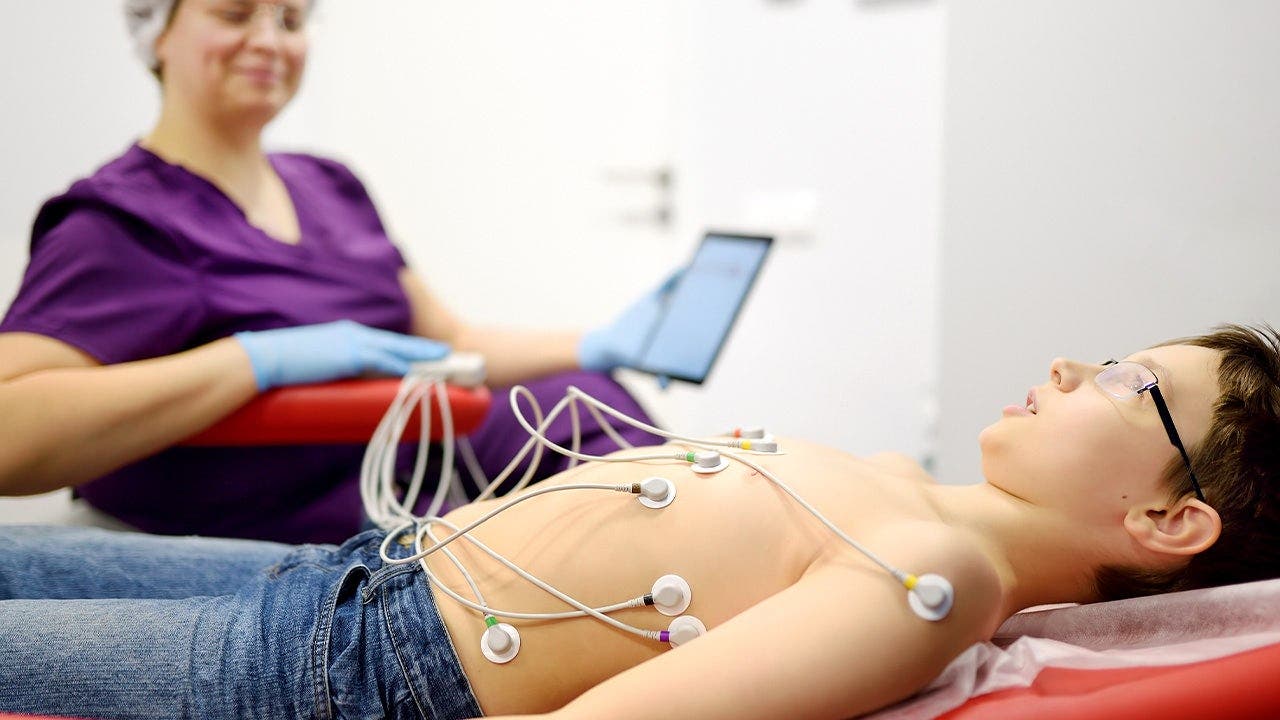
A Florida high school athlete with no symptoms learned he had an atrial septal defect after an electrocardiogram required under the state's new Second Chance Act. Cameron Crider of Clearwater is scheduled for repair surgery in October and expects to return to sports next season.
CLEARWATER, Fla. - A high school athlete with no warning signs learned he had a serious congenital heart defect only because Florida now requires an electrocardiogram before many students play interscholastic sports, Fox News reported.
The Second Chance Act took effect July 1 ahead of the 2026-2027 school year. It requires students in grades 9 through 12 to get at least one ECG the first time they participate in or try out for interscholastic athletics, with limited exceptions, affiliate FOX 13 Tampa Bay reported. An ECG measures the heart's electrical signals and can flag irregular rhythms or other trouble.
Cameron Crider, a sophomore football and basketball player at Calvary Christian High School in Clearwater, had the screening as part of the school's athlete requirements. Doctors found an atrial septal defect, an opening in the wall between the heart's upper chambers. If a significant ASD goes untreated, extra blood flow can strain the heart and lungs and raise risks of pulmonary hypertension, heart failure, and in some cases stroke.
Crider said he had played sports his whole life without noticing problems. His mother, Laura Crider, told FOX 13 he could finish a three-hour football practice and a two-hour basketball practice back-to-back without fatigue or shortness of breath. Surgery to close the defect is set for October, and he is expected to return next season. Laura Crider called the mandatory ECG a gift that let the family find the problem before a crisis.
Heart specialists note that not every teen heart condition shows up on an ECG and that false alarms happen. Florida lawmakers still framed the screen as a low-burden step after sudden cardiac events in young athletes. For families, the Clearwater case is a plain example: a child can look perfectly fit and still carry a repairable defect.
Go Deeper
What is the Second Chance Act?
A Florida law that took effect July 1 requiring most high school athletes in grades 9-12 to get at least one ECG before interscholastic sports.
What did doctors find?
An atrial septal defect, an opening between the heart's upper chambers, in athlete Cameron Crider despite no symptoms.
Why can an ASD matter?
Extra blood flow can strain the heart and lungs over time and raise risks of pulmonary hypertension, heart failure, or stroke if untreated.
What happens next for Crider?
Repair surgery is scheduled for October. He is expected to return to sports next season.
Is an ECG perfect?
No. It can miss some problems and can flag issues that need follow-up. It is a screen, not a full cardiac workup.
More health
 health50+
President Trump nominates Dr. Heidi Overton to lead the FDA
President Donald Trump said he will nominate Dr. Heidi Overton, deputy director of the White House Domestic Policy Council, as the next Food and Drug
Aug 23 health50+
Nashville hospital potassium mix-up leaves joint-surgery patients paralyzed
Tennessee authorities are investigating after four patients at Ascension Saint Thomas Midtown in Nashville received potassium instead of standard pain
Aug 23 health50+
Experts warn telehealth alone may fail in severe mental health crises
Nearly half of U.S. adults with serious mental illness now get some mental health care by telehealth, SAMHSA data show. New York psychotherapist Jonat
Aug 22