
Scientists Identify Cells Linked to Inducing Sleep
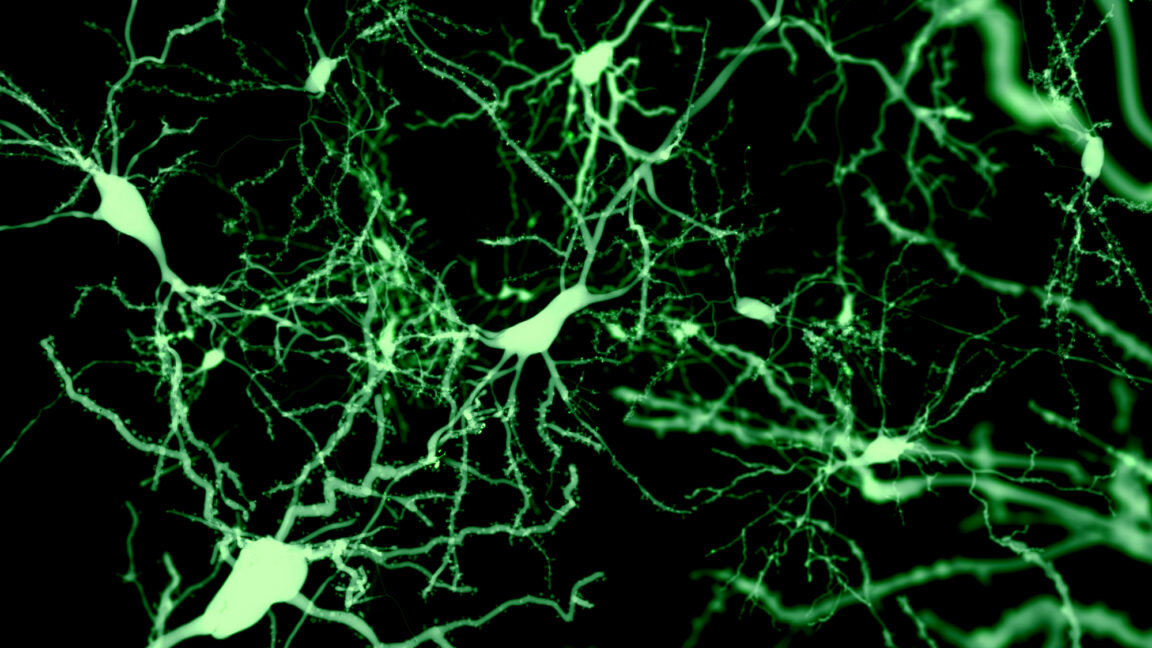
Researchers have discovered rare cells with widespread connectivity that appear to trigger sleep. These cells have the potential to help us better understand the mechanisms behind sleep and wakefulness.
Scientists have made a significant discovery in the field of sleep research, identifying rare cells that seem to be able to induce sleep. These cells have widespread connectivity, meaning they are able to communicate with many other cells in the brain. The discovery was made by researchers who were studying the brain's neural networks and their role in regulating sleep and wakefulness. The findings suggest that these rare cells may play a key role in triggering sleep, and could potentially lead to new treatments for sleep disorders. The researchers used advanced techniques to map the connections between cells in the brain and identify the rare cells that are involved in inducing sleep. This research has the potential to greatly improve our understanding of the complex mechanisms that control sleep and wakefulness. Further study is needed to fully understand the role of these cells and how they can be used to improve sleep quality.
Go Deeper
What kind of cells are able to induce sleep?
The cells that are able to induce sleep are rare cells with widespread connectivity, meaning they are able to communicate with many other cells in the brain.
How did researchers discover these cells?
Researchers used advanced techniques to map the connections between cells in the brain and identify the rare cells that are involved in inducing sleep.
What is the potential impact of this discovery?
The discovery of these cells could potentially lead to new treatments for sleep disorders and improve our understanding of the complex mechanisms that control sleep and wakefulness.
How do these cells trigger sleep?
The exact mechanism by which these cells trigger sleep is not yet fully understood, but it is thought that they play a key role in regulating the brain's neural networks.
What further research is needed?
Further study is needed to fully understand the role of these cells and how they can be used to improve sleep quality, as well as to develop new treatments for sleep disorders.
More technology
 technology
New Video Game Movie Released
A new video game movie has been released. The movie is based on a popular video game and has been highly anticipated by fans.
Sep 20 technology
AI Watermarking Affects LLM Responses to Harmful Prompts
Researchers have found that AI watermarking can influence how large language models respond to harmful prompts. The use of SynthID, a type of AI water
Sep 20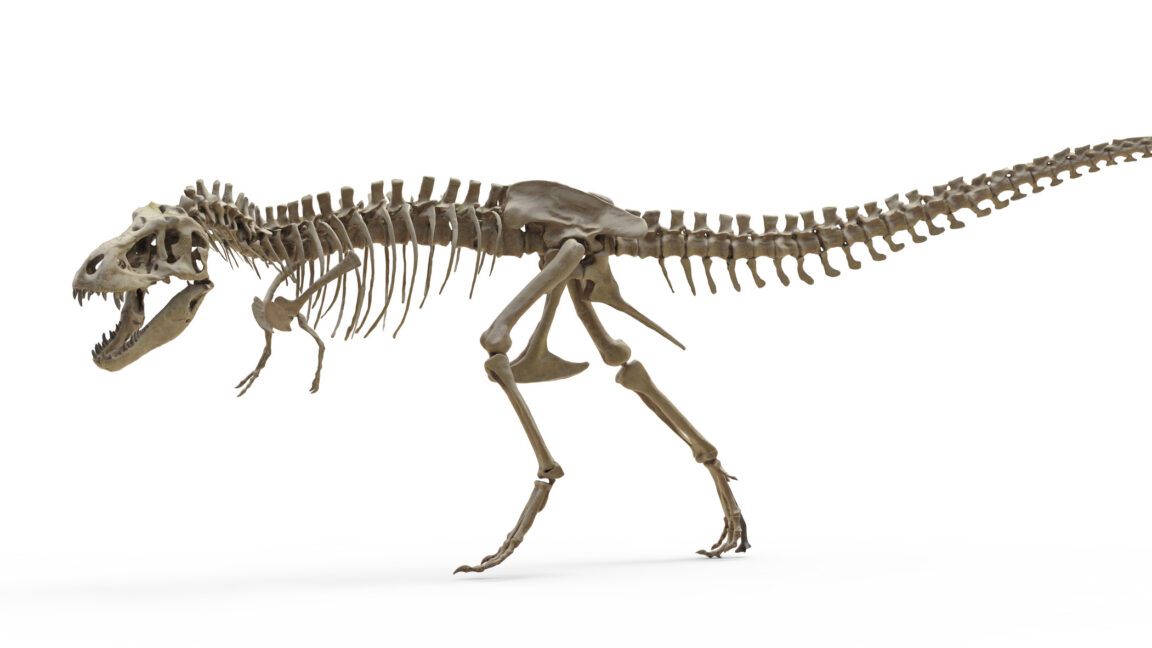 technology
T. rex teeth suggest warm body temperature
Researchers have found that the teeth of Tyrannosaurus rex indicate the dinosaur had a warm body temperature. This discovery was made possible by anal
Sep 20