
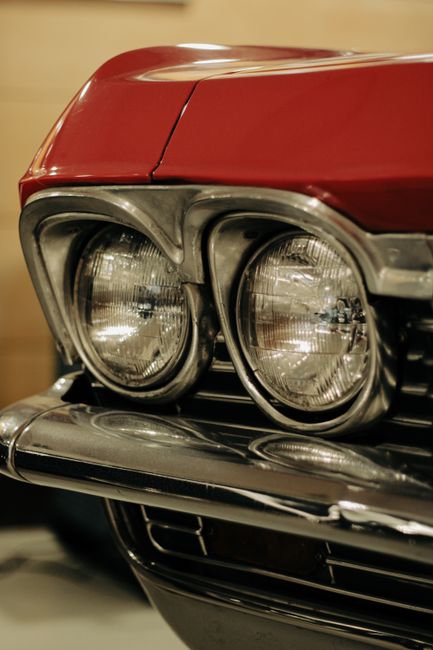
The 1969 Camaro Z28 occupies a singular place in American automotive history. Born from a racing loophole, powered by an engine that General Motors officially pretended made less power than it actually did, and styled with the most aggressive sheet metal of the first-generation Camaro run, the '69 Z28 is the car that proved Chevrolet could beat Ford at its own game — on the track and in the showroom. More than half a century later, clean examples routinely cross the six-figure mark at auction, and the car's reputation as a blue-chip collectible has only strengthened with time. Here is everything you need to know about what makes this car special, what it is worth today, and how to avoid buying a fake.
The Z28 exists because of a rule book. In the mid-1960s, the Sports Car Club of America's Trans-American Sedan Championship (Trans-Am) was the most prestigious road-racing series for production-based sedans in North America. The series had one critical regulation: engine displacement could not exceed 305 cubic inches (5.0 liters). Ford was already dominating Trans-Am with the Mustang, and Chevrolet's performance chief Vince Piggins saw an opportunity.
Piggins proposed a special Camaro package built around a destroked 327ci small-block bored to 4.001 inches with a 3.0-inch stroke crankshaft from the 283, yielding exactly 302.4 cubic inches — safely under the 305ci limit. The SCCA required that at least 1,000 street versions be sold for homologation, so the Regular Production Option (RPO) Z28 was created for the 1967 model year.
Chevrolet never actually called it the "Z28" in advertising that first year. It was simply a $358.10 option package on the order sheet — no badges, no callouts in the brochure. You had to know to ask for it. Only 602 were built in 1967, just barely meeting the SCCA's production minimum. By 1968, word had spread through the enthusiast press, and production jumped to 7,199. But it was 1969 that transformed the Z28 from a homologation special into an icon.
The 1969 Camaro received the most significant styling update of the first generation. The body lines were sharper and more sculpted than the 1967-68 cars, with a lower, wider stance that looked faster standing still. The front end gained a more aggressive grille opening, and the rear featured revised taillights. For the Z28 specifically, the package now included bold "Z28" graphics on the front fenders and rear spoiler — the first time the designation appeared prominently on the car's exterior.
Beyond aesthetics, the '69 Z28 benefited from chassis refinements developed through two years of Trans-Am competition. The suspension was better sorted, the four-speed Muncie M21 (close-ratio) or M22 ("Rock Crusher") transmissions were tougher, and the overall package felt more complete than the earlier cars. No automatic transmission was available — the Z28 was a driver's car, period.
コレクターはいくつかの理由から、他のすべての第一世代 Z28 よりも 1969 年モデルを高く評価しています。このスタイリングは 1967 年から 1969 年にかけてのモデルの中で最も美しいと広く認められています。生産量は十分に多かったので (19,014 ユニット)、部品の入手可能性と文書化は妥当でしたが、真の希少性を維持するには十分に低かったです。そしてこの車は初代の開発のピークを表しており、シボレーが 2 年間のレースで学んだすべてが 69 年に焼き付けられました。 |||9月||| Z28 の心臓部は、GM 史上最も過小評価されているエンジンの 1 つである DZ 302 スモールブロック V8 でした。シボレーはそれを290馬力と評価したが、この数値は意図的に保守的であることは業界関係者全員が理解していた。独立したダイノテストでは、一貫して 350 馬力を超える出力が示され、よく調整された例では 370 馬力を超えるものもありました。公式数値が低かったのは、購入者にとって保険料を妥当なものに保つため、また、GM がフルサイズ車より小さい車には 1 立方インチあたり 1 馬力を超えるエンジンを提供しないという社内方針を持っていたためでもあります。 |||9月||| 302.4立方インチ(4.96L)。 4.001 インチのボア x 3.0 インチのストローク。 327 ブロックをベースとし、鍛造スチール 283 クランクシャフトを搭載。量産エンジンの 2 ボルトメインキャップ。 |||9月||| 2.02 インチの吸気バルブと 1.60 インチの排気バルブを備えた高性能「ラクダのこぶ」鋳造 #3927186 シリンダー ヘッド。 0.485 インチのリフト吸気 / 0.485 インチのリフト排気を備えたソリッドリフターカムシャフト - このエンジンは、当時の量産プッシュロッド V8 としては前例のない 7,000 RPM 以上まで確実に回転しました。 |||9月||| デュアルプレーンアルミニウムインテークマニホールド上の Holley 780 CFM 4 バレル キャブレター (#4053)。圧縮比 11.0:1 — このエンジンはプレミアム燃料を必要とし、1969 年にはオクタン価 100 を超える有鉛ガソリンを意味していました。 |||9月||| 工場出荷時の管状スチール製排気ヘッダー (1969 年の量産車としては珍しい) は、深みのある音のマフラーを備えた 2.5 インチのデュアル排気システムに流れ込みます。ヘッダーだけでも、従来の鋳鉄マニホールドを上回る 15 ~ 20 馬力の価値がありました。 |||9月||| 編集者のおすすめ · この記事に関連する |||9月||| Kindle Unlimited |||9月||| 10年ごとの古典的な本や回想録を読んでください。初月無料。 |||9月||| 詳細を見る → |||9月||| Amazonで関連商品を購入する |||9月||| 対象となる購入から手数料を得る場合があります。 50 歳以上の大人向けに選ばれています。 |||9月||| 期間テストでは、1969 Z28 は 4,000 ドル以下で入手可能な量産車の中で最も速いものの 1 つでした。その高回転特性と比較的軽い重量 (約 3,300 ポンド) により、実際の運転では多くの大型マッスルカーが困惑するようなパワーウェイトレシオが得られました。 Trans-Am の直接の競合他社との比較は次のとおりです。 |||9月||| 何か気づきましたか? 4台の車はすべて、正確に290馬力と公式に評価されました。この時代は、メーカー間でパワー数値を控えめに表示するという紳士協定が結ばれていた時代でした。 Z28 の利点は、より高い実出力、軽量な車両重量、そしてトランザム レーシング プログラムから直接得られた優れたシャシー チューニングによってもたらされました。 |||9月||| Z28 のレースの歴史は遡及的なマーケティングの物語ではなく、それがこの車の存在理由全体でした。 SCCA トランザム競技会では、ライム ロック、ミッドオハイオ、ラグーナ セカ、リバーサイドなどの過酷なロードコース イベントで、カマロはフォードのマスタング ボス 302、ポンティアック ファイアバード、AMC ジャベリン、プリマス バラクーダと戦いました。 |||9月||| ドライバーのマーク・ドナヒューとチームオーナーのロジャー・ペンスキーのパートナーシップは、カマロのレース活動で最も成功を収めた。ドナヒューはペンスキーが用意したカマロ Z28 を駆って 1968 年のトランザム選手権で優勝し、チームは 1969 年に再び圧倒的な強さを誇った。ドナヒューのドライビング スタイル — スムーズで正確、そして知性 — は、小さなブロックのカマロがたとえストレートで負けていたとしても、曲がりくねったロードコースでは大きなブロックの猛獣たちを打ち負かすことができることを証明した。 |||9月||| Z28を走らせている他の注目すべきチームには、ジム・ホールのシャパラル・カーズ運営や、シボレーのバックチャネル・サポート・ネットワークを通じて調整された工場支援の取り組みなどが含まれる。 GMは自動車工業会によるファクトリーレースの禁止を正式に遵守していたが、ピギンズとシボレーの彼のチームがカマロのトップチームに多大な技術的・財政的支援を提供していることはパドックの誰もが知っていた。
The heart of the Z28 was the DZ 302 small-block V8 — one of the most underrated engines in GM history. Chevrolet rated it at 290 horsepower, a figure that everyone in the industry understood was deliberately conservative. Independent dyno tests consistently showed output north of 350 hp, and some well-tuned examples exceeded 370 hp. The low official number was partly to keep insurance premiums reasonable for buyers and partly because GM had an internal policy against offering engines with more than one horsepower per cubic inch in anything smaller than a full-size car.
302.4 cubic inches (4.96L). 4.001" bore x 3.0" stroke. Based on the 327 block with a forged steel 283 crankshaft. Two-bolt main caps on production engines.
High-performance "camel hump" casting #3927186 cylinder heads with 2.02" intake and 1.60" exhaust valves. Solid lifter camshaft with 0.485" lift intake / 0.485" lift exhaust — this engine revved to 7,000+ RPM reliably, unheard of for a production pushrod V8 at the time.
Holley 780 CFM four-barrel carburetor (#4053) on a dual-plane aluminum intake manifold. 11.0:1 compression ratio — this engine demanded premium fuel, which in 1969 meant leaded gasoline with octane ratings above 100.
Factory tubular steel exhaust headers (a rarity for a production car in 1969) flowing into a 2.5" dual exhaust system with deep-tone mufflers. The headers alone were worth 15-20 hp over conventional cast-iron manifolds.
In period testing, the 1969 Z28 was one of the fastest production cars available under $4,000. Its high-revving nature and relatively light weight (approximately 3,300 lbs) gave it a power-to-weight ratio that embarrassed many big-block muscle cars in real-world driving. Here is how it stacked up against its direct Trans-Am competitors:
Notice something? All four cars were officially rated at exactly 290 hp. This was the era of the gentleman's agreement among manufacturers to understate power figures. The Z28's advantage came from its higher actual output, lighter curb weight, and superior chassis tuning derived directly from its Trans-Am racing program.
The Z28's racing pedigree is not some retroactive marketing narrative — it was the car's entire reason for existing. In SCCA Trans-Am competition, the Camaro battled Ford's Mustang Boss 302, the Pontiac Firebird, the AMC Javelin, and the Plymouth Barracuda across a season of grueling road-course events at tracks like Lime Rock, Mid-Ohio, Laguna Seca, and Riverside.
The partnership between driver Mark Donohue and team owner Roger Penske produced the most successful Camaro racing effort. Donohue won the 1968 Trans-Am championship driving a Penske-prepared Camaro Z28, and the team was again a dominant force in 1969. Donohue's driving style — smooth, precise, cerebral — proved that the small-block Camaro could outmaneuver the big-block brutes on a twisting road course even when it was outpowered on the straights.
Other notable teams running Z28s included Jim Hall's Chaparral Cars operation and the factory-backed efforts coordinated through Chevrolet's back-channel support network. While GM officially observed the Automobile Manufacturers Association ban on factory racing, everyone in the paddock knew that Piggins and his team at Chevrolet were providing significant technical and financial support to the top Camaro teams.
このレースの伝統はコレクターにとって非常に重要です。 Z28 は単なるマッスル カーではなく、競技の歴史が文書化されたホモロゲーション スペシャルです。この違いにより、単に直線で速かったクルマとは区別され、シェルビー GT350、BMW 3.0 CSL、ポルシェ 911 RS と同じ議論の中に位置づけられます。 |||9月||| シボレーは 1969 カマロを幅広いカラーパレットで提供しており、特定の組み合わせは今日のコレクターにとって非常に価値が高くなります。次の表は、最も注目すべき外装色と、それぞれのおおよその Z28 生産量を示しています。 |||9月||| 重要な価値を付加する主要な工場オプションには、JL8 四輪ディスク ブレーキ (非常にまれです。このように装備された Z28 は 200 台未満でした)、カウルインダクション フード (RPO ZL2)、M22 "ロック クラッシャー" クロスレシオ 4 速トランスミッション、およびリア スポイラーが含まれます。 JL8 ディスク ブレーキを装備した Z28 は、標準的なフロント ディスク/リア ドラム ブレーキを備えたその他の点では同一の車に比べて 30 ~ 50% の割増料金を請求できます。 |||9月||| 1969 Z28 市場は、過去 20 年間で大幅に成熟しました。価値は 2000 年代半ばのコレクター カー ブーム中にピークに達し、2008 年から 2010 年の景気後退の間にわずかに低下しましたが、その後はこの車の真の希少性と歴史的重要性を反映するレベルで安定しています。ハガティ条件分類に基づいた現在の値の範囲は次のとおりです。 |||9月||| 特別オプション車 (JL8 ブレーキ、レアカラー、文書化されたレース履歴) は、これらの範囲を大幅に超える場合があります。クロスラムインテークを装備した車、ディーラーが取り付けたパフォーマンスオプション、およびレースの起源が文書化された車は、完全に独自の価格帯を占めます。 |||9月||| 本物の 1969 Z28 を購入するには下調べが必要です。本物の車と説得力のあるクローンとの差は、50,000 ドルから 150,000 ドルの価値がある場合があります。重要な順に確認すべき内容は次のとおりです。 |||9月||| 1969 カマロの VIN は、運転席側のフロントガラスから見えるプレートに刻印された 13 文字のコードです。正規の Z28 の場合、5 番目の文字は「4」でなければなりません (302ci V8 エンジンを示す)。 VIN の形式は、[部門][シリーズ][車体形状][エンジン記号][年式][組立工場][シーケンス番号]です。例: 124379N500001 — 5 番目の位置の「4」は DZ 302 を示します。 |||9月||| 2. プロテクト・オ・プレート |||9月||| Protect-O-Plate には、RPO Z28 コードとその他すべての工場出荷時インストール オプションがリストされています。金属を打ち抜いて作られているため、納得のいくまで鍛造するのは非常に困難です。何十年にもわたって多くが失われてきましたが、この 1 つの文書が存在するだけで車の価値が何千ドルも上がる可能性があり、文書が存在しないと購入者は真剣に立ち止まるはずです。
Chevrolet offered the 1969 Camaro in a wide palette of colors, and certain combinations are significantly more valuable to collectors today. The following table shows the most notable exterior colors with approximate Z28 production in each:
Key factory options that add significant value include: the JL8 four-wheel disc brakes (extremely rare — fewer than 200 Z28s were so equipped), the cowl-induction hood (RPO ZL2), the M22 "Rock Crusher" close-ratio four-speed transmission, and the rear spoiler. A Z28 equipped with JL8 disc brakes can command a 30-50% premium over an otherwise identical car with standard front-disc/rear-drum brakes.
The 1969 Z28 market has matured significantly over the past two decades. Values peaked during the mid-2000s collector car boom, dipped slightly during the 2008-2010 recession, and have since stabilized at levels that reflect the car's genuine rarity and historical importance. Here are current value ranges based on Hagerty condition classifications:
Special-option cars (JL8 brakes, rare colors, documented race history) can exceed these ranges significantly. Cross-ram intake-equipped cars, dealer-installed performance options, and any car with documented racing provenance occupy their own pricing tier entirely.
Buying a genuine 1969 Z28 requires homework. The difference between a real car and a convincing clone can be worth $50,000 to $150,000. Here is what to check, in order of importance:
The 1969 Camaro VIN is a 13-character code stamped on a plate visible through the windshield on the driver's side. For a legitimate Z28, the fifth character must be "4" (indicating the 302ci V8 engine). The VIN format is: [Division][Series][Body Style][Engine Code][Year][Assembly Plant][Sequence Number]. Example: 124379N500001 — where "4" in the fifth position confirms the DZ 302.
2. The Protect-O-Plate
The Protect-O-Plate lists the RPO Z28 code along with every other factory-installed option. It is stamped in metal and is very difficult to forge convincingly. Many have been lost over the decades, but the presence of this one document can add thousands of dollars to a car's value — and its absence should give any buyer serious pause.
3. 部分的な VIN 刻印 |||9月||| エンジン ブロック、トランスミッション ケース、リア アクスルには、VIN プレートと一致する部分的な VIN 刻印が付いている必要があります。 Z28 のエンジン パッドの刻印は、DZ 302 を識別する 2 文字のサフィックス コードで始まる必要があります (共通コード: DZ、JL)。これらのスタンピングは適切な経年変化を示し、工場でのスタンピングのスタイルと深さと一致する必要があります。再スタンプされたパッドは、経験豊富な検査員によって検出可能です。アフターマーケットのスタンプのフォント、深さ、配置は、決してオリジナルと完全には一致しません。 |||9月||| 4. トリムタグの検証 |||9月||| フィッシャー ボディ トリム タグ (カウル領域にリベット留めされている) には、ボディ スタイル、ペイント コード、トリム コード、組み立て日などの追加のエンコードが含まれています。このデータを VIN、Protect-O-Plate、および既知の製造記録と相互参照します。カマロ研究グループは、矛盾を確認またはフラグを立てることができる文書化された Z28 のデータベースを管理しています。 |||9月||| 5. 物理検査 |||9月||| 書類上の手続きを超えて、本物の Z28 は特定の物理的特性を備えている必要があります。つまり、リア スポイラーの正しい取り付け穴、正しい前後のスプリング ポケット (Z28 には独自のスプリング レートがあった)、正しいブレーキの規定 (標準か JL8 か)、および工場出荷時の排気ヘッダー取り付けポイントの証拠があります。経験豊富な初代カマロ鑑定士なら、これらの詳細を数分で特定できます。 |||9月||| 1969 カマロ Z28 は単なるマッスルカーではなく、公道で運転できるアメリカのモータースポーツの歴史の一部です。レースの起源、機械の洗練さ、アグレッシブなスタイル、そして扱いやすい希少性の組み合わせにより、収集可能なマッスルカー市場のトップまたはそれに近い地位を数十年にわたり維持してきました。価値観は複数の経済サイクルを通じて回復力があることが証明されており、この車の魅力は世代を超えています。1969 年にトランザム チャンピオンとなったのと同じエンジニアリングにより、今日でも渓谷道路を運転するのが本当に楽しくなります。 |||9月||| 市場にいる場合は、下調べをしてください。小切手を切る前に、すべての書類を確認し、すべてのスタンプを検査し、専門家による認証にお金を費やしてください。その勤勉さの報酬は、デトロイトがこれまでに生産した最高級のドライバーズカーの所有権であり、過去 50 年間にわたって一貫して評価されている資産です。 6桁を投資するにはもっと悪い方法があります。 |||9月||| このような記事を毎朝受信箱に届けてください。 |||9月||| 全体像 |||9月||| 見出し |||9月||| 1969 カマロ Z28 の完全な歴史、仕様、現在の市場価値。トランザム レースを定義し、これまでに製造されたアメリカのマッスル カーの中で最も収集価値のある 1 つとなった車です。 |||9月||| 50+ の角度 |||9月||| あなたの動き |||9月||| 現実世界の IQ 評価 |||9月||| 学校のクイズではなく、数十年の人生で得た実践的な知性をテストしてください。 |||9月||| 現実世界の IQ を取得する |||9月||| あなたにおすすめ |||9月||| この記事に関連する厳選されたリソース |||9月||| 本 |||9月||| Bookshop.org |||9月||| 地元の独立系書店を支援しながら、懐かしい本を購入しましょう。 |||9月||| 学ぶ |||9月||| マスタークラス |||9月||| 音楽、映画、スポーツ、歴史のレジェンドからの物語や教訓を聞いてください。 |||9月||| アフィリエイトの開示: 当社はお客様に無料でコミッションを得る場合があります。 |||9月||| 以下にも関連します: |||9月||| 60代 |||9月||| 70代の場合 |||9月||| ノスタルジアのその他の作品 |||9月||| 1990 年代のカセット コレクションのデジタル化: 50 歳のための実践ガイド |||9月||| 1990 年代の古典的なコンソールのリバイバル: 中年の愛好家のための実践ガイド |||9月||| アメリカ公共図書館: カーネギー ホールからコミュニティ ハブまで |||9月||| ノスタルジアの記事をすべて見る → |||9月||| 50 Plus Hub は、50 歳以降のスマートな生活のための日刊新聞スタイルのポータルです。役立つガイダンス、ゲーム、ツール、セール、わかりやすい英語のヘルプが含まれています。 |||9月||| トピックス |||9月||| 10年までに |||9月||| 50代 |||9月||| 80年以降 |||9月||| ゲームとツール |||9月||| メモリーマッチ |||9月||| リコールチェーン |||9月||| テレビの夜 |||9月||| 聖書トリビア |||9月||| 健康とウェルネス |||9月||| 医療警告 |||9月||| 生命保険 |||9月||| 携帯電話プラン |||9月||| ID の保護 |||9月||| © 2026 50 Plus ハブ。無断転載を禁じます。 |||9月||| 編集基準 |||9月||| プライバシー |||9月||| 規約 |||9月||| 作成者 |||9月||| ティモシー・パーカー |||9月||| × |||9月||| 入力を開始して 50 Plus Hub を検索します
The engine block, transmission case, and rear axle should all bear partial VIN stampings that match the VIN plate. The engine pad stamping on a Z28 should begin with a two-letter suffix code identifying it as a DZ 302 (common codes: DZ, JL). These stampings should show appropriate aging and should match the style and depth of factory stampings. Restamped pads are detectable by experienced inspectors — the font, depth, and alignment of aftermarket stampings never quite match the originals.
4. Trim Tag Verification
The Fisher Body trim tag (riveted to the cowl area) contains additional encoding including the body style, paint code, trim code, and assembly date. Cross-reference this data with the VIN, Protect-O-Plate, and known production records. The Camaro Research Group maintains a database of documented Z28s that can confirm or flag discrepancies.
5. Physical Inspection
Beyond paperwork, a genuine Z28 should have specific physical characteristics: correct mounting holes for the rear spoiler, the correct front and rear spring pockets (Z28s had unique spring rates), correct brake provisions (whether standard or JL8), and evidence of the factory exhaust header mounting points. An experienced first-generation Camaro appraiser can identify these details in minutes.
The 1969 Camaro Z28 is not just a muscle car — it is a piece of American motorsport history that you can drive on the street. Its combination of racing provenance, mechanical sophistication, aggressive styling, and manageable rarity has kept it at or near the top of the collectible muscle car market for decades. Values have proven resilient through multiple economic cycles, and the car's appeal spans generations — the same engineering that made it a Trans-Am champion in 1969 makes it genuinely fun to drive on a canyon road today.
If you are in the market, do your homework. Verify every document, inspect every stamping, and spend the money on a professional authentication before you write a check. The reward for that diligence is ownership of one of the finest driver's cars Detroit ever produced — and an asset that has consistently appreciated over the past 50 years. There are worse ways to invest six figures.
Get articles like this delivered to your inbox every morning.