
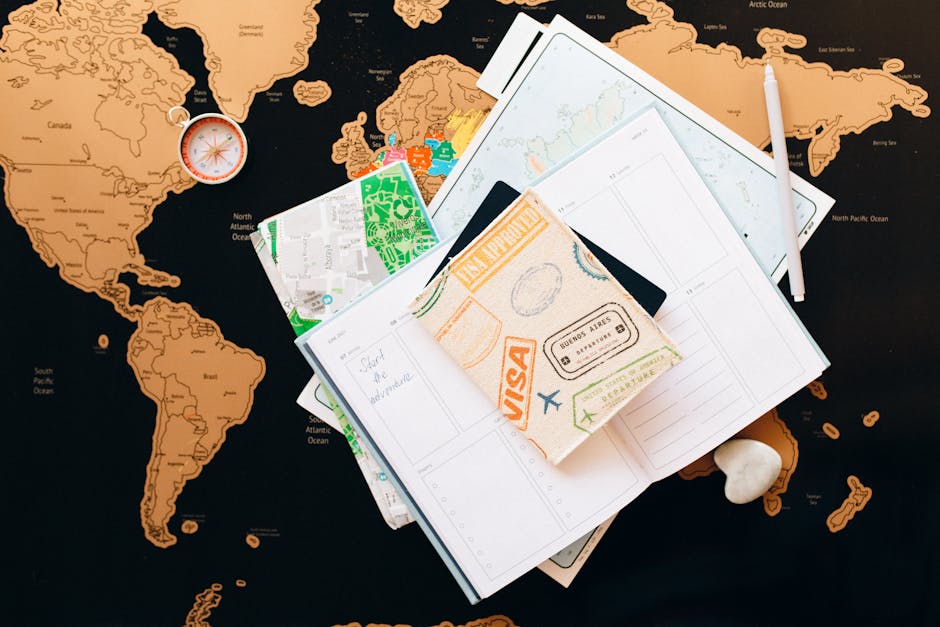
A missed blood pressure pill in a foreign airport. An insulin pen that overheated in checked luggage. A hospitalization abroad with no insurance coverage and a $47,000 bill. These are not hypotheticals — they are the most common medical travel disasters reported by travelers over 50 every year. The good news: every one of them is preventable with the right preparation. This guide covers everything you need to pack, arrange, and understand before you leave home, whether you are flying to Phoenix or Paris.
The work of safe medical travel starts weeks before your departure. The single biggest mistake travelers make is leaving medical preparation to the last 48 hours, when there is no time to get vaccinations, fill prescriptions, or resolve insurance questions.
4-6 weeks before departure:
2 weeks before departure:
Your medications deserve more planning than your wardrobe. Here is how to organize a travel medication kit that survives delays, lost luggage, and customs inspections.
Never place medications in checked luggage. Cargo holds reach temperatures that can destroy insulin, biologics, and many other drugs. Checked bags also get lost — approximately 26 million bags were mishandled globally in 2023. Keep every medication in your carry-on bag or personal item.
Do not transfer pills to weekly organizers for travel. TSA and foreign customs agents need to see that the name on the prescription label matches your passport. Pill organizers are fine for daily use at your hotel — but pack the original bottles too.
Your signed physician letter should list each medication by brand name and generic name, the dosage, and the condition it treats. For injectable medications (insulin, blood thinners, biologics), the letter should explicitly state that you need to carry syringes or auto-injectors. Keep a digital copy on your phone as well.
Trips get extended. Flights get canceled. Bags get stolen. Carry at least twice the medication you expect to need, split between two bags if traveling with a companion. If you take 14 days of blood pressure medication for a 7-day trip, a 3-day delay will not become a medical crisis.
If you take medication on a strict schedule (insulin, blood thinners, thyroid medication), crossing time zones requires an adjustment plan. Ask your doctor before the trip. The general rule: for eastbound travel (shorter day), you may skip or reduce a dose; for westbound travel (longer day), you may need an extra dose. Never guess — get specific instructions from your prescriber.
条件が異なれば、旅行の際の宿泊施設も異なります。以下の表は、50 歳以上の旅行者に最も一般的な 4 つの慢性疾患と、それぞれに必要な具体的な準備を示しています。 |||9月||| 携帯電話が故障したり、Wi-Fi が利用できなくなったり、海外の病院であなたの情報がすぐに必要になった場合には、紙のコピーが重要になります。これらすべてを防水フォルダーに入れて機内持ち込みバッグに入れ、デジタル コピーを電子メールまたはクラウド ドライブに保存してください。 |||9月||| 既存の保険が海外で何がカバーし、何がカバーしないのかを理解することは、どんな旅行用品を購入するよりも価値があります。現実は次のとおりです。 |||9月||| 必要になる前にどこで医療を受けられるかを知っているかどうかは、対処可能な状況とパニックの違いです。出発前に、すべての海外目的地の短いリストを作成してください。 |||9月||| 海外で入院する場合、国内よりも手続きがはるかに複雑になります。プロセスを事前に把握しておくと、パニックが軽減され、コストのかかる間違いが防止されます。 |||9月||| 外国で入院する場合: |||9月||| クルーズ船の医療緊急事態: 船の医療施設は限られており、ほとんどは最終的な治療ではなく安定化に対応します。深刻な状況の場合は、最寄りの港への避難が必要ですが、その港は高度な医療設備のない国にある可能性があります。クルーズの医療ケアは、ほとんどの標準的な健康保険ではカバーされません。慢性疾患のある方には、専用のクルーズ旅行保険への加入を強くお勧めします。 |||9月||| 医療旅行の準備は複雑ではありませんが、交渉の余地はありません。基本的な手順は簡単です。4 ~ 6 週間早めに医師の診察を受け、薬を元のボトルに入れて医師の手紙とともに機内持ち込み手荷物に入れ、旅行医療保険に加入し(特にメディケアに加入している場合)、必要になる前に目的地の病院を調べます。海外で深刻な問題に遭遇する旅行者は、ほとんどの場合、通常の保険でカバーされるか、目的地でも自宅と同じ薬局にアクセスできると思い込んで、これらの手順のいずれかをスキップした人です。防水フォルダーに書類を入れ、100 ドルの旅行保険に加入し、旅行前に 30 分間リサーチするかどうかで、ちょっとした不便が発生するか、6 桁の医療費がかかるかが変わります。賢く梱包しましょう。旅行情報。無事に帰ってきてね。 |||9月||| このような記事を毎朝あなたの受信箱に届けてください。 |||9月||| 全体像 |||9月||| 見出し |||9月||| 薬、慢性疾患、または医療機器を国内および海外に持ち込んで安全に旅行するために、荷造り、準備、知っておくべきことすべてが含まれています。 |||9月||| 50+ の角度 |||9月||| あなたの動き |||9月||| 50歳以上の大人向け旅行保険 |||9月||| 次の旅行の前に、トップの旅行保険プランを並べて比較してください。
Paper copies matter when your phone dies, Wi-Fi is unavailable, or a foreign hospital needs your information immediately. Carry all of these in a waterproof folder in your carry-on bag, with digital copies stored in your email or a cloud drive.
Understanding what your existing insurance does and does not cover abroad is worth more than any travel gadget you could buy. Here is the reality:
Knowing where to get medical care before you need it is the difference between a manageable situation and a panic. Build a short list for every international destination before you leave.
If you are hospitalized abroad, the logistics are far more complicated than at home. Knowing the process in advance reduces panic and prevents costly mistakes.
If you are hospitalized in a foreign country:
Cruise ship medical emergencies: Ship medical facilities are limited — most handle stabilization, not definitive care. Serious conditions require evacuation to the nearest port, which may be in a country without advanced medical facilities. Cruise medical care is not covered by most standard health insurance. Dedicated cruise travel insurance is strongly recommended for anyone with chronic conditions.
Medical travel preparation is not complicated, but it is non-negotiable. The core steps are straightforward: see your doctor 4-6 weeks early, carry medications in their original bottles in your carry-on with a physician's letter, buy travel medical insurance (especially if you have Medicare), and research hospitals at your destination before you need one. The travelers who run into serious trouble abroad are almost always the ones who skipped one of these steps because they assumed their regular insurance would cover them or that their destination would have the same pharmacy access as home. A waterproof folder of documents, a $100 travel insurance policy, and 30 minutes of pre-trip research can be the difference between a minor inconvenience and a six-figure medical bill. Pack smart. Travel informed. Come home safe.
Get articles like this delivered to your inbox every morning.