
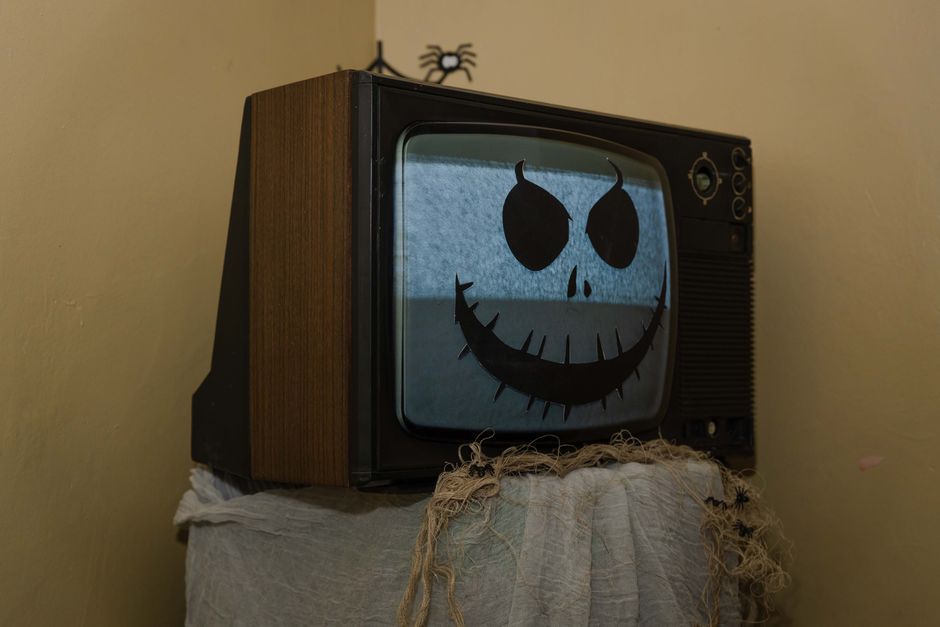
<h2>Why Saturday Mornings Mattered</h2> <p>For many people now in their early fifties, Saturday mornings in the early 1990s were a ritual. After a week of school, work, or extracurricular activities, families gathered around a television set to watch a block of animated programming. The schedule was predictable, the commercials were fewer than today’s streaming interruptions, and the shows often carried subtle lessons about friendship, responsibility, and perseverance.</p>
<h2>The Core Lineup</h2> <p>Three networks dominated the early‑90s Saturday morning lineup: NBC, CBS, and Fox. Each offered a distinct flavor that reflected both industry trends and the tastes of a generation that grew up with the first wave of cable television.</p>
<h3>NBC’s ‘TNBC’ Block</h3> <ul> <li><strong>Saved by the Bell</strong> – While not a cartoon, this teen sitcom opened the block and set a light‑hearted tone that segued into the animated series.</li> <li><strong>Teenage Mutant Ninja Turtles</strong> – The animated adaptation of the comic book and action‑figure phenomenon introduced characters who combined humor with martial‑arts action.</li> <li><strong>Chip ’n Dale: Rescue Rangers</strong> – A Disney production that paired classic characters with a detective‑style format, encouraging problem‑solving.</li> </ul>
<h3>CBS’s ‘Kids Club’ Block</h3> <ul> <li><strong>Garfield and Friends</strong> – The lazy cat’s sarcastic humor resonated with older children, while the accompanying segments kept the pacing brisk.</li> <li><strong>Aladdin</strong> – A continuation of the successful Disney film, the series offered a blend of adventure and moral lessons drawn from Middle‑Eastern folklore.</li> <li><strong>Darkwing Duck</strong> – A superhero parody that balanced slapstick comedy with more serious story arcs, teaching resilience.</li> </ul>
Fox の「Fox Kids」ブロック
- アニマニアックス – テンポの速い、ポップカルチャー満載のバラエティ番組で、注意深い視聴者にさまざまなジョークを提供します。
- バットマン: アニメイテッド シリーズ – 映画のようなストーリーテリングで有名な、マントを着た十字軍のダークでより洗練された解釈
- パワー レンジャー – 主に実写ですが、土曜枠にこのシリーズが含まれたことは、アニメーションと実際の効果の間の時代のクロスオーバーを浮き彫りにしました。
これらの番組が長続きする理由
各シリーズは、魅力的なビジュアルと単純なドタバタ劇を超えた物語を組み合わせました。作家は、アラジンの歴史的言及やアニマニアックスの科学的な小ネタを通じて、教育的なコンテンツを微妙に組み込むことがよくありました。音楽は多くの場合オリジナル スコアであり、感情的なビートを強化し、今でもオープニング テーマを口ずさむことができるファンの記憶に残っています。
|||9月|||今日の子供たちのためにその体験を再現する
現在 50 代の大人は、これらの古典を自分の子供たちに紹介したいと思うかもしれません。元のブロードキャスト形式 (オンデマンドの一時停止のない 1 つの連続ブロック) を完全に複製することはできませんが、いくつかの意図的な手順でその精神を維持することはできます。
|||9月|||ミニマラソンを企画する
- 元のブロックを反映する単一のシリーズまたは混合ラインナップを選択します。
- 儀式を尊重するために、週末の朝に特定の開始時間を設定します。
- 中断を制限する: 電話を沈黙させ、バックグラウンド アプリをオフにし、少なくとも 45 分間は漫画を中断せずに実行します。
状況に応じた試金石を提供する
ショーが始まる前に、子供の頃にこのエピソードをどのように経験したかについての簡単な逸話を共有してください。たとえば、バットマン: アニメシリーズの最初の放送は、より成熟したストーリーテリングへの移行を反映して、ほとんどの土曜日のアニメよりも暗いトーンで放送されたことを説明します。
|||9月|||最新のアクセス ポイントを慎重に使用する
90 年代初頭のシリーズの多くは現在、ストリーミング プラットフォームで視聴可能ですが、多くの場合、放送順序ではなくフランチャイズごとにグループ化されています。オリジナルのエピソード シーケンスを保存しているコレクションを探したり、土曜日の朝の流れを模倣した個人的なプレイリストを作成したりできます。
|||9月|||現代メディアへの遺産と影響
90 年代初頭のブロックは、風刺と子供向けコンテンツを融合させる先例となりました。 アドベンチャー・ タイムやスティーブン・ ユニバースなどの現代のシリーズは、アニマニアックスなどの番組によって導入された物語の複雑さのおかげです。この系譜を理解することで、親は芸術の進化を理解することができ、ストーリーテリングがどのように変化したかについて子供たちとの会話を豊かにすることができます。
|||9月|||懐かしい親のための実践的なヒント
- 月に 1 回「レトロ サタデー」を計画して、家族全員でこの街区を再訪しましょう。
- シリアルボックスやトレーディングカードなどのオリジナルグッズを収集します。これらの触覚アイテムは、過去と現在の間のギャップを埋めることができます。
- 画用紙とクレヨンを用意して、鑑賞後に子供たちに好きなキャラクターをスケッチしてもらうことで創造的な遊びを奨励します。
- テーマについて率直に話し合う。 10 代の頃に行ったかもしれない内省的な議論を反映しながら、このエピソードの教訓は何だと思うかを子供たちに尋ねます。
結論
1990 年代初頭の土曜日の朝の漫画は、今でも 50 代の人たちにとって文化的な試金石となっています。これらのプログラムを意図的に次世代と共有することで、親は継続性の感覚を育み、形成期の芸術性を称賛し、かつて週末を特徴づけていた画面のないシンプルな儀式を楽しむことができます。
|||9月||| 現実世界の IQ 評価 |||9月||| 学校のクイズではなく、数十年の人生で得た実践的な知性をテストしてください。 |||9月||| 現実世界の IQ を取得する<h2>What Made These Shows Enduring</h2> <p>Each series combined engaging visuals with narratives that extended beyond simple slapstick. Writers often incorporated educational content subtly, whether through historical references in <em>Aladdin</em> or scientific tidbits in <em>Animaniacs</em>. The music, often original scores, reinforced emotional beats and has survived in the memory of fans who can still hum the opening themes.</p>
<h2>Recreating the Experience for Today’s Kids</h2> <p>Adults now in their 50s may wish to introduce these classics to their own children. The original broadcast format—one continuous block without on‑demand pauses—cannot be replicated perfectly, but the spirit can be preserved with a few intentional steps.</p>
<h3>Curate a Mini‑Marathon</h3> <ul> <li>Choose a single series or a mixed lineup that mirrors the original block.</li> <li>Set a specific start time on a weekend morning to honor the ritual.</li> <li>Limit interruptions: silence phones, turn off background apps, and let the cartoon run uninterrupted for at least 45 minutes.</li> </ul>
<h3>Provide Contextual Touchstones</h3> <p>Before the show begins, share a brief anecdote about how you experienced the episode as a child. For example, explain that the original broadcast of <em>Batman: The Animated Series</em> aired in a darker tone than most Saturday cartoons, reflecting a shift toward more mature storytelling.</p>
<h3>Use Modern Access Points Thoughtfully</h3> <p>Many early‑90s series are now available on streaming platforms, but they are often grouped by franchise rather than broadcast order. Seek out collections that preserve the original episode sequence, or create a personal playlist that mimics the Saturday morning flow.</p>
<h2>Legacy and Influence on Contemporary Media</h2> <p>The early‑90s block set a precedent for blending satire with child‑friendly content. Modern series such as <em>Adventure Time</em> and <em>Steven Universe</em> owe a debt to the narrative complexity introduced by shows like <em>Animaniacs</em>. Understanding this lineage helps parents appreciate the artistic evolution and can enrich conversations with their children about how storytelling has changed.</p>
<h2>Practical Tips for the Nostalgic Parent</h2> <ul> <li><strong>Schedule a ‘Retro Saturday’</strong> once a month to revisit the block with the whole family.</li> <li><strong>Collect original merchandise</strong> such as cereal boxes or trading cards; these tactile items can bridge the gap between past and present.</li> <li><strong>Encourage creative play</strong> by providing drawing paper and crayons, inviting children to sketch their favorite characters after the viewing.</li> <li><strong>Discuss themes</strong> openly; ask children what they think the moral of the episode is, mirroring the reflective discussions you may have had as a teen.</li> </ul>
<h2>Conclusion</h2> <p>The Saturday morning cartoons of the early 1990s remain a cultural touchstone for those now in their fifties. By intentionally sharing these programs with the next generation, parents can foster a sense of continuity, celebrate the artistry of a formative era, and enjoy a simple, screen‑free ritual that once defined the weekend.</p>