
On a summer evening in 1932, Richard Milton Hollingshead Jr., the sales manager at his father's auto-parts company in Camden, New Jersey, propped a movie screen against two trees in his driveway. He set a 1928 Kodak projector on the hood of his car, placed a radio behind the screen for sound, and ran a series of experiments. He spaced cars at different distances. He drove through different weather conditions. He tested how to angle the cars so that everyone could see, regardless of where they parked. He even spent evenings with a garden hose, simulating rain to see how the projection would survive a drizzle. By the time he was finished, he had worked out the basic engineering of one of the most distinctive American cultural inventions of the twentieth century.
Hollingshead's idea was simple. He had a mother who hated movie theater seats. The seats were uncomfortable for larger people. The dress codes were stiff. Children misbehaved. Smoking was restricted. What if you could go to the movies in your own car, where you could sit however you wanted, dress however you wanted, smoke if you wanted, and bring your kids without worrying about them disturbing anyone? On May 16, 1933, he received U.S. Patent number 1,909,537 for his 'drive-in theater.' On June 6, less than three weeks later, he opened the world's first drive-in on Crescent Boulevard in Camden, charging twenty-five cents per car plus another twenty-five cents per person. The first feature was a comedy called 'Wives Beware,' starring Adolphe Menjou. About six hundred cars showed up.
The Camden drive-in only operated for about three years before closing — the location was poor and the technology had limitations. But the idea was viable, and within a decade other operators around the country began experimenting with their own versions. The real explosion would come after World War II, when American car ownership doubled, suburbs sprawled outward, families with children needed entertainment, and a wave of returning veterans had both the disposable income and the cultural appetite for outdoor leisure. The conditions for the drive-in's golden age were all in place by 1948, and the country was about to fall in love with one of the strangest and most beautiful entertainment formats it has ever produced.
Between 1948 and 1958, the number of drive-in theaters in the United States rose from about 800 to over 4,000. They sprouted up on the edges of every American city and town, usually on inexpensive land just outside city limits where you could fit hundreds of cars and a sixty-foot screen. The peak year was 1958, when 4,063 drive-ins operated across the country, and on any given summer Saturday night, nearly two million Americans were watching movies from their cars.
価格設定が寛大であることで有名でした。ほとんどのドライブインでは、人ではなく車の積載量によって料金が請求されます。 2 ドル 50 セントで、車に何人でも乗れます。アメリカの大型セダンの時代には、通常の劇場の一般入場券 1 枚の料金で 6 人か 7 人が乗れることがよくありました。家族連れはパジャマ姿の子供たちを後部座席に詰め込んだ。 10代の若者たちは、車の積載料さえも払わないために友人をトランクに詰め込んだ。経済状況は劇場にとっては厳しいものでしたが、顧客にとっては素晴らしいものでした。そのおかげでドライブインは、アメリカの労働者階級の家族にとって、ユニークでアクセスしやすいエンターテイメントの形態となりました。 |||9月||| プログラミングはそれ自体が芸術形式でした。ほとんどのドライブインでは、入場料で 2 本の映画を上映します。最初の作品は通常、より大きな映画であり、多くの場合ハリウッド公開でした。 2つ目はB級映画で、SF、ホラー、ビーチムービー、バイカー映画、モンスター映画、低予算スリラーなどでした。安価な 2 番目の長編は独自のサブカルチャーとなり、今日深夜映画ファンに最も愛されている映画の多くは、本来の観客をドライブインに獲得しました。 「50 フィートの女の攻撃」、「プラン 9 フロム・アウター・スペース」、「私は十代の狼人間だった」、初期のロジャー・コーマン映画、「フランケンシュタインと狼男の出会い」 - これらはドライブイン映画であり、ドライブインの観客のために作られ、ドライブインのスクリーンに映されました。 |||9月||| そしてそこには遊び場がありました。ほとんどすべてのドライブインには、ブランコ、滑り台、モンキーバー、時にはメリーゴーランドなど、スクリーンの真下または横に子供向けの小さな遊び場がありました。アイデアは、子供たちがショーの前に遊んで、暗くなったら車に戻ることができるということでした。アメリカの全世代の子供たちにとって、夕暮れ時のドライブインの遊び場は、プロジェクターのビームが頭上でちらつき、スピーカーがパチパチ音を立てる中、見知らぬ人の子供たちと夏の暖かい空気の中を走り回っていたもので、子供時代の最も強烈な思い出の一つとなった。 |||9月||| ドライブインのサウンドは静かな進化を遂げました。初期の劇場では、スクリーンの隣のポールに取り付けられた巨大なスピーカーが使用され、フィールド全体に音を放送していました。これは満足のいくものではありませんでした。音が濁り、後列では音量が下がり、近所の人から騒音について苦情が来ました。 1941 年までに、RCA は車載スピーカーを開発しました。これは、運転席側の窓から吊り下げられる長いコードが付いた小さな金属製の箱で、小さなスピーカーと音量ノブが付いています。コードは駐車場の隣のポストに届く程度の長さでした。 |||9月||| 編集者のおすすめ · この記事に関連する |||9月||| Kindle Unlimited |||9月||| 10年ごとの古典的な本や回想録を読んでください。初月無料。 |||9月||| 詳細を見る → |||9月||| Amazonで関連商品を購入する |||9月||| 対象となる購入から手数料を得る場合があります。 50 歳以上の大人向けに選ばれています。 |||9月||| 車載スピーカーはドライブインの象徴的なテクノロジーとなりました。何世代にもわたるアメリカ人は、スピーカーを窓に引っ掛けて音量を調整し、その小さな独特な音を通して映画を鑑賞していました。スピーカーが壊れやすいことでも有名で、1970 年代までに多くの劇場が、カー ステレオから流れる低出力の FM ラジオ信号で音声を放送する方式に移行していました。ラジオ システムは技術的にははるかに優れていて、ステレオ、全周波数範囲、壊れやすい機器はありませんでしたが、同じ感覚を完全に再現することはできませんでした。多くの古いドライブインファンは今でも、車載スピーカーを窓に引っ掛け、窓を半分まで回転させて窓に押し付けることについて話しています。 |||9月||| 車で走り去るときにスピーカーを窓から外すのを忘れた場合、特に映画や軽食を数時間楽しんだ後はそうする人が多かったですが、その場から車を外したときに不快なバリバリという音が聞こえ、スピーカーがコードから引き裂かれ地面を引きずられることになります。ドライブインのオペレーターは年間何千台もの壊れたスピーカーを交換しており、多くのドライブイン従業員にとって、切れたばかりのスピーカーコードの音は、仕事の中で最も馴染みのある騒音の 1 つでした。
The programming was its own art form. Most drive-ins played double features — two movies for the price of admission. The first was usually the bigger film, often a Hollywood release. The second was a B-movie: science fiction, horror, beach movies, biker films, monster movies, low-budget thrillers. The cheap second features became their own subculture, and many of the films most beloved today by midnight-movie fans got their original audiences at drive-ins. 'Attack of the 50 Foot Woman,' 'Plan 9 from Outer Space,' 'I Was a Teenage Werewolf,' the early Roger Corman films, 'Frankenstein Meets the Wolf Man' — these were drive-in films, made for a drive-in audience, projected on drive-in screens.
And then there was the playground. Almost every drive-in had a small playground for children directly under or beside the screen, with swings, slides, monkey bars, and sometimes a merry-go-round. The idea was that kids could play before the show, then come back to the car when it got dark. For an entire generation of American children, the drive-in playground at dusk — running around in the warm summer air with strangers' children while the projector beam flickered overhead and the speakers crackled — became one of the most powerful childhood memories any of them had.
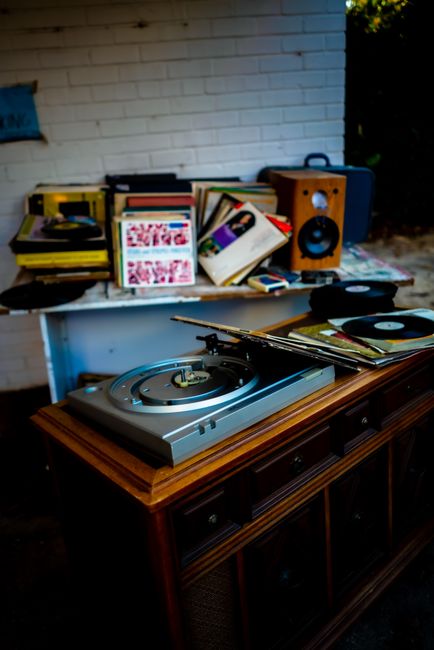
Sound at the drive-in went through a quiet evolution. The earliest theaters used giant speakers mounted on poles next to the screen, broadcasting sound across the entire field. This was unsatisfying — the sound was muddy, the volume dropped off in the back rows, and neighbors complained about the noise. By 1941, RCA had developed the in-car speaker: a small metal box on a long cord that hung from your driver's-side window, with a tinny speaker and a volume knob. The cord was just long enough to reach the post next to your parking spot.
The in-car speaker became the iconic technology of the drive-in. Generations of Americans hooked the speaker over the window, adjusted the volume, and watched movies through that small, distinctive sound. The speakers were also famously fragile, and by the 1970s many theaters had transitioned to broadcasting the audio over a low-power FM radio signal that played through the car stereo. The radio system was technically much better — stereo, full frequency range, no fragile equipment — but it never quite captured the same feeling. Many older drive-in fans still talk about hooking the in-car speaker on the window and rolling the window halfway up against it.
If you forgot to take the speaker off the window when you drove away — and many people did, especially after a few hours of movies and snacks — you would hear a sickening crunch as you pulled out of your spot, the speaker tearing away from the cord and dragging along the ground. The drive-in operators replaced thousands of broken speakers a year, and the sound of a freshly broken speaker cord was, for many drive-in workers, one of the most familiar noises of the job.
ドライブインは、収益のほとんどをチケット販売からではなく、売店で稼いでいました。映画、特に低予算の B 級映画は比較的安価にレンタルできましたが、売店のスナックには驚くほどの利益がありました。作るのに8セントかかったポップコーンのバケツが50セントで売られました。紙コップに入ったコカ・コーラの価格は数セントで、4分の1で売られていました。ホットドッグ、ハンバーガー、フライドポテト、キャンディー、アイスクリームなど、1955 年のドライブインの売店は、映画館のスナックバーというよりも小さなダイナーに似ていました。 |||9月||| 最も有名なドライブイン売店は休憩漫画で、ホットドッグを踊るシーン、ポップコーンの箱を踊るシーン、ソーダカップを踊るシーンなど、2 つの長編の間にある短いアニメーション映画で、すべて視聴者に売店への訪問を促しています。歌う軽食が隊列を組んで行進する古典的な「みんなでロビーへ行こう」ジングルは、1957 年にフィルマック スタジオの制作のためにデイブ フライシャーというアニメーターによって作成され、数十年にわたって何百万ものドライブインで上映されただけで、アメリカの歴史の中で最も再生された音楽の 1 つになりました。 |||9月||| 特に子供たちにとって、売店まで歩くこと自体が儀式になりました。休憩時間に車から降り、暖かい暗闇の中、駐車した車の列を通り抜け、100フィート離れたところからポップコーンの匂いを嗅ぎ、長い列に並び、必要以上の食べ物を注文し、人混みの中をトレイとナプキンのバランスをとりながら歩いて戻りました。車に戻る頃には第二特集が始まり、夜は完璧な中間点に達していた。 |||9月||| ドライブインはアメ車とは切り離せないものでした。 1950 年代と 1960 年代のアメリカのセダンの巨大なベンチ シートは、本質的に移動可能なリビング ルームであり、ドライブイン体験を可能にしました。 1957 年シボレー ベル エア、1962 年フォード ギャラクシー、1965 年シボレー インパラ — これらは、誰にも触れずに家族全員が車内に収まり、体を伸ばして 3 時間快適に座れるように設計された車両です。 1980 年代と 1990 年代に小型のエコノミーカーが一般的になるまでに、ドライブインの体験はすでに窮屈に感じられ始めており、その責任の一部は車自体にもありました。 |||9月||| ドライブインは、戦後の郊外拡大とも切り離せないものでした。帰還した退役軍人は都市郊外の新しい分譲地に家を購入した。彼らは市内の仕事に通勤するために車を購入した。彼らには子供がいたので、子供たちは夜に行く場所を必要としていました。ドライブインはこの地理に完全に適合していました。常に町の外れにあり、車でのみアクセスでき、ベビーシッターやフォーマルな服装、静かな行動を必要とせずに家族全員を楽しませることができました。映画館が戦前の都市の娯楽であったのと同じように、ドライブインは戦後の郊外の娯楽でした。 |||9月||| そしてもちろん、ドライブインは10代の若者の目的地として有名でした。デート中のカップルは、他の場所ではほとんど得られないプライバシーを得ることができ、名目上映画を見ている 10 代の少年少女は、画面にほとんど注意を払っていないことがよくありました。このドライブインの「情熱の穴」という評判は得られたものであり、まったく不当ではありませんでした。多くの団塊の世代は、夏の夜のドライブインでの初めてのキス、初めてのぎこちない恋愛の試み、または初めて緊張している相手と車に同乗したことを覚えています。 |||9月||| ドライブインの緩やかな衰退は 1960 年代後半に始まり、1970 年代から 1980 年代にかけて加速しました。いくつかの力がそれを殺すために集結した。一つ目は不動産でした。多くのドライブインは市の境界のすぐ外にある安価な田舎の土地に建設され、戦後の好況で都市が外側に拡大するにつれて、同じ土地の価値は 1948 年の 50 倍から 100 倍になった。1970 年代後半までには計算は簡単だった。郊外の 20 エーカーの土地にあるドライブインは映画館として年間 4 万ドルの収益を得ることができ、あるいはアパートやショッピングモールを建設するために開発業者に 200 万ドルで売却することもできた。ほとんどの所有者は最終的に開発者の小切手を受け取りました。
The most famous drive-in concession was the intermission cartoon, a short animated film between the two features that included scenes of dancing hot dogs, dancing popcorn boxes, and dancing soda cups, all encouraging viewers to visit the concession stand. The classic 'Let's All Go to the Lobby' jingle, with its singing snacks marching in formation, was created by an animator named Dave Fleischer for a Filmack Studios production in 1957, and it became one of the most-played pieces of music in American history simply by being shown before millions of drive-in features over decades.
The walk to the concession stand became its own ritual, especially for kids. You would get out of the car at intermission, walk through the rows of parked cars in the warm darkness, smell the popcorn from a hundred feet away, stand in a long line, order more food than you needed, and walk back balancing trays and napkins through the crowd. By the time you returned to the car, the second feature was starting, and the night had reached its perfect midpoint.
The drive-in was inseparable from the American car. The huge bench seats of 1950s and 1960s American sedans were essentially mobile living rooms, and they made the drive-in experience possible. A 1957 Chevrolet Bel Air, a 1962 Ford Galaxie, a 1965 Chevrolet Impala — these were vehicles designed for stretching out, sitting comfortably for three hours, fitting an entire family inside without anyone touching anyone else. By the time small economy cars became common in the 1980s and 1990s, the experience of the drive-in had already started to feel cramped, and the cars themselves were partly to blame.
The drive-in was also inseparable from the suburban expansion of the postwar years. Returning veterans bought houses in new subdivisions on the edges of cities. They bought cars to commute to jobs in the city. They had children, and the children needed places to go in the evenings. The drive-in fit perfectly into this geography — it was always on the edge of town, accessible only by car, and it could entertain the whole family without requiring babysitters or formal clothing or quiet behavior. The drive-in was the entertainment of the postwar suburbs, in the same way that the movie palace was the entertainment of the pre-war cities.
And of course the drive-in was famously a teenage destination. Couples on dates could find privacy that was almost impossible to get anywhere else, and teenage boys and girls who were nominally watching the movie were often paying very little attention to the screen. The drive-in's reputation as 'the passion pit' was earned and not entirely undeserved, and many baby boomers remember their first kiss, their first awkward attempt at romance, or their first time sitting in a car with someone they were nervous about, at a drive-in on a summer night.
The drive-in's slow decline began in the late 1960s and accelerated through the 1970s and 1980s. Several forces converged to kill it. The first was real estate. Many drive-ins had been built on cheap rural land just outside city limits, and as cities expanded outward in the postwar boom, that same land became worth fifty or a hundred times what it had been in 1948. By the late 1970s, the math was simple: a drive-in on twenty acres of suburban land could earn $40,000 a year as a movie theater, or it could be sold to a developer for two million dollars to build apartments or a strip mall. Most owners eventually took the developer's check.
2番目の力は夏時間でした。米国が 1960 年代と 1970 年代に夏時間を拡大すると、夏の夜の明るい時間が長くなりました。そのため、ドライブインは遅くまで映画を開始できず、多くの場合、夕方 9 時まで遅くなってしまいました。開始が遅いと終了も遅くなり、午前 1 時 30 分に終了する 2 本立ては、小さな子供を持つ家族にとってそれほど魅力的ではありませんでした。出席者は着実に減少した。 |||9月||| 第三の勢力はホームビデオだった。 1970 年代後半から 1980 年代前半にかけて VCR が登場すると、家族は自宅のリビング ルームで、自分のスケジュールに合わせて映画を鑑賞できるようになりました。ドライブインの最大のセールスポイントである手頃な価格で家族向けのエンターテイメントの夜は、2ドルで映画をレンタルでき、運転することなく自宅で鑑賞できることで直接損なわれてしまった。 |||9月||| 1990 年までに、米国に残るドライブインは 1,000 軒未満になりました。 2010 年までに、その数は 400 を下回りました。そして 2020 年までに、全国で営業しているドライブインはわずか約 305 のみでした。 20年間にわたってアメリカのエンターテイメントの主要な形式の1つであったこのフォーマットは、ノスタルジーと少数の熱心な所有者によってポケットの中で生き続けてきた珍品となった。 |||9月||| そして2020年がやって来た。パンデミックにより全米の屋内映画館が閉鎖されたとき、ドライブインは突然、ソーシャル・ディスタンシングの時代に最適なエンターテイメント形式に見えた。車にはグループ間の分離が組み込まれていました。屋外の空気により、ウイルス感染リスクが劇的に減少しました。窓口から割引を注文することもできます。残りのドライブインは数十年ぶりに夏に満席となり、閉鎖されていたいくつかの店舗は需要に応えるために一時的に再開された。 |||9月||| さらに驚くべきことに、数十年ぶりに新しいドライブインがオープンし始めた。スタジアム、ショッピングモール、コンベンションセンターの駐車場にポップアップドライブインが登場した。 40年間存在していなかった場所に、恒久的な新しいドライブインがオープンしました。 2024 年までに、米国で営業しているドライブインの数は 305 から 325 程度で安定し、毎年いくつかの新しいドライブインがオープンしました。戦後のピークを脅かすほどではありませんでしたが、現在の顧客のほとんどが生きている間にこのフォーマットが経験した初めての持続的な成長でした。 |||9月||| この新しい時代に生き残り、繁栄したドライブインは、映画館以上のものであることを学びました。現在、その多くはコンサート会場、交換会、週末マーケット、フードトラックの集会、コミュニティの集会スペースとして機能しています。スクリーンが中心ですが、その体験は映画だけではありません。サウンドシステムを更新し、売店メニューを拡大し、(現地の法律が認めている場合には)クラフトビールを追加し、多くの人が記憶に残っている衰退期の放棄された建造物よりも、1950年代のドライブインの最盛期にあったものに似た遊び場を建設したところもある。 |||9月||| 20年間ドライブインに行ったことがなく、車で行ける距離に住んでいるなら、今年はドライブインに戻るべき年です。あなたの愛する人を何人か連れて行きましょう。毛布と枕をいくつかご持参ください。売店で必要以上の食べ物を注文してください。たとえ疲れていても、2 番目の機能に留まります。ほとんど失われつつあった経験は、少数の献身的なオペレーターによって生き続けています。そのためにあなたができる最も強力なことは、現れることです。そして、それをして過ごす夜は、夏を通して行う最も特徴的で、最もアメリカ的で、最も奇妙に感動的なものの一つとなるでしょう。 |||9月||| 全体像 |||9月||| 見出し
The third force was home video. The arrival of the VCR in the late 1970s and early 1980s meant that families could watch movies at home, on their own schedule, in their own living rooms. The drive-in's biggest selling point — the affordable, family-friendly evening of entertainment — was directly undercut by being able to rent a movie for two dollars and watch it at home with no driving required.
By 1990, the United States had fewer than 1,000 drive-ins remaining. By 2010, the number was below 400. And by 2020, only about 305 drive-ins still operated in the entire country. The format that had been one of the dominant forms of American entertainment for two decades had become a curiosity, kept alive in pockets by nostalgia and a small number of dedicated owners.
And then came 2020. When the pandemic shut down indoor movie theaters across the country, the drive-in suddenly looked like the perfect entertainment format for an era of social distancing. Cars provided built-in separation between groups. Outdoor air dramatically reduced viral transmission risk. Concessions could be ordered through windows. The remaining drive-ins saw their first sold-out summers in decades, and several closed locations were temporarily reopened to meet the demand.
More surprising, new drive-ins started opening for the first time in decades. Pop-up drive-ins appeared in parking lots of stadiums, malls, and convention centers. Permanent new drive-ins opened in places they had not existed in forty years. By 2024, the number of operating drive-ins in the United States had stabilized around 305 to 325, with several new ones opening each year — not enough to threaten the postwar peak, but the first sustained growth the format had seen in the lifetimes of most of its current customers.
The drive-ins that have survived and thrived in this new era have learned to be more than movie theaters. Many now serve as concert venues, swap meets, weekend markets, food truck rallies, and community gathering spaces. The screen is the centerpiece, but the experience is broader than just the movie. Some have updated their sound systems, expanded their concession menus, added craft beer (where local laws allow), and built playgrounds that look more like the ones at the height of the 1950s drive-in than like the abandoned structures most people remember from the decline years.
If you have not been to a drive-in in twenty years and you live within driving distance of one, this is the year to go back. Take a few people you love. Bring a blanket and some pillows. Order more food than you need from the concession stand. Stay for the second feature even if you are tired. The experience that was almost lost is being kept alive by a small number of dedicated operators, and the most powerful thing you can do for it is to show up. And the night you spend doing it will be one of the most distinctive, most American, most strangely moving things you do all summer.