
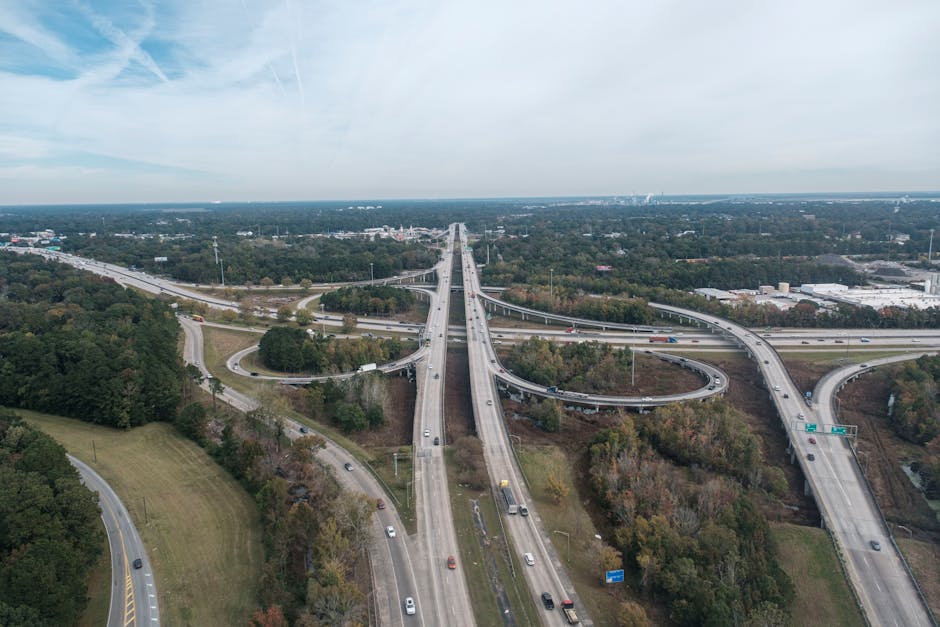
There was a time when crossing the country meant a slow journey on two lane roads that wound through every small town along the way. You could smell the coffee from the diners and feel the dust from the farms as you crept along at 45 miles per hour.
That all changed on June 29, 1956, when President Dwight D. Eisenhower signed the Federal Aid Highway Act. This law authorized the construction of 41,000 miles of high speed roads.
It shifted the American experience from the local Main Street to the superhighway, forever altering how we live and vacation.
The Pre-Interstate Era
Before 1956, long distance travel was a gritty adventure that tested the patience of any family. The primary routes were roads like U.S. Route 66 or the Lincoln Highway, which passed directly through the centers of thousands of towns.
Drivers faced stoplights, school crossings, and heavy local traffic at every mile. A trip from Chicago to Los Angeles could take several days. The roads were often narrow and poorly paved in rural areas.
Motorists had to plan carefully for gas stations that stayed open late. It was a slower pace, but it connected travelers directly to the local communities they passed.
The 1956 Highway Act
Eisenhower signed the Federal Aid Highway Act into law to create a National System of Interstate and Defense Highways. The federal government paid 90 percent of the construction cost.
The initial budget was 25 billion dollars over 12 years. Engineers designed the system with specific standards. They required lanes to be 12 feet wide. There had to be a 10 foot right of way on each side.
The roads were designed to be free of intersections. Overpasses and underpasses replaced traffic lights. This design allowed traffic to move at sustained high speeds without stopping.
It was the largest public works project in American history at the time.
Travel Costs Then and Now
The financial cost of travel has shifted dramatically over the decades. In 1956, the average price of a gallon of gasoline was 29 cents. Adjusted for general inflation, that equals about 3 dollars today.
However, gas prices often fluctuate above that adjusted figure. A night in a roadside motel typically cost between 5 and 8 dollars. Today, that same room averages 130 dollars per night.
1950 年代以降、燃料効率は向上しましたが、宿泊施設や食費を考慮すると、ロードトリップの全体的な費用は大幅に上昇しました。現代の旅行者は、親よりも慎重にこれらの出費を計画しなければなりません。 |||9月||| 沿道文化の隆盛 |||9月||| 州間高速道路システムは、チェーン レストランと標準化された宿泊施設という新しい文化を生み出しました。企業は町の中心部から州間高速道路の出口近くに移転しました。 |||9月||| 1952 年に開業したホリデイ・インは、すべての出口に馴染みのある部屋を約束する看板を設置することで人気が爆発しました。マクドナルドなどのファストフードチェーンもドライバーを追った。 |||9月||| スタッキーズは、ピーカンナッツの丸太やお土産で有名な店になりました。この変化により、一貫性と予測可能性がもたらされました。旅行者は、食事や就寝のために立ち寄ったときに何が起こるかを正確に知っていました。 |||9月||| 地元の雰囲気の一部は取り除かれましたが、急いでいるドライバーにとっては利便性の層が追加されました。 |||9月||| 時間の経過とともに安全性が向上 |||9月||| 安全性は、州間高速道路がアメリカの運転にもたらした最も重要な改善です。 1950 年代半ばの道路での死亡率は、車両の走行距離 1 億マイルあたりおよそ 6 人が死亡していました。 |||9月||| 州間高速道路のアクセスが制御されたことで、事故の主な原因となっていた正面衝突や交差点がなくなりました。現在の車両には、シートベルト、エアバッグ、クランプル ゾーンが装備されています。 |||9月||| 2020年までに、死亡率は1億マイルあたり約1.3人に低下した。総走行距離が急増する一方で、旅行中に死亡するリスクは激減した。
The Rise of Roadside Culture
The Interstate system gave birth to a new culture of chain restaurants and standardized lodging. Businesses moved away from town centers to locate near the interstate exits.
Holiday Inn, which started in 1952, exploded in popularity by placing signs at every exit promising a familiar room. Fast food chains like McDonald's followed the drivers.
Stuckey's became a famous stop for pecan logs and souvenirs. This shift offered consistency and predictability. Travelers knew exactly what to expect when they stopped for a meal or a bed.
It removed some of the local flavor but added a layer of convenience for the hurried driver.
Safety Improvements Over Time
Safety is the most significant improvement the interstates brought to American driving. In the mid 1950s, the fatality rate on roads was roughly 6 deaths per 100 million vehicle miles traveled.
The controlled access of the interstate eliminated head on collisions and intersections, which were major causes of accidents. Modern vehicles now include seatbelts, airbags, and crumple zones.
By 2020, the fatality rate had dropped to about 1.3 deaths per 100 million miles. While the total number of miles driven has skyrocketed, the risk of dying on a trip has plummeted.
現在、道路は歴史上のどの時点よりも安全です。 |||9月||| 今すぐ旅行を計画しましょう |||9月||| 今日のロードトリップの計画には、過去の紙の地図とは異なるツールが必要です。ドライバーは現在、GPS アプリとリアルタイムの交通データを利用して遅延を回避しています。米国自動車協会 (AAA) は現在も TripTik プランニング サービスを提供していますが、現在はデジタルで提供しています。 |||9月||| 出発前に車両を確認するのが賢明です。タイヤの空気が適切に充填されていること、および液体が補充されていることを確認してください。多くの州間高速道路で一般的になっている、維持費を支払うための料金の予算。 |||9月||| コストは高くなりますが、50 歳以上の人々にとって、公道の自由は依然としてアメリカ人の生活の重要な部分です。 |||9月||| 1956 年に認可された州間高速道路の当初のマイル数 |||9月||| 1956 年のガソリン 1 ガロンの平均コスト |||9月||| 今日の州間高速道路の総走行距離 |||9月||| テネシー州メンフィスに最初のホリデイ・インがオープンした年 |||9月||| 近年の車両走行距離 1 億マイルあたりの交通死亡者数 |||9月||| ガロンあたりの平均ガソリン価格 |||9月||| 出典: 米国エネルギー情報局 |||9月||| ロードトリップの必需品の比較 |||9月||| アイテム |||9月||| 1950年代のコスト |||9月||| 現代のコスト |||9月||| ガロンのガス |||9月||| モーテル ルーム |||9月||| レストランディナー |||9月||| 車(新平均) |||9月||| ロードマップ |||9月||| 無料(デジタル) |||9月||| アメリカのロードトリップは、埃っぽいトレッキングから快適な旅へと進化しました。私たちは曲がりくねった 2 車線道路と引き換えに、州間高速道路の効率性を高めました。安全性とスピードのために地元の魅力の一部を放棄しました。 |||9月||| それでも、地平線の向こうに何があるのかを見たいという欲求は変わりません。私たちが年を重ねるにつれ、道は自分を見つめ直し、つながりを取り戻す機会を与えてくれます。多くの場合、目的地よりも旅そのものが重要であることを思い出させてくれます。 |||9月||| 荷物をまとめ、タイヤをチェックし、次にどこへ行くのかを確認しましょう。 |||9月||| 情報源 |||9月||| 連邦道路管理局、「州間高速道路および国防高速道路のドワイト D. アイゼンハワー システム」、米国運輸省 (2023) |||9月||| 米国エネルギー情報局、「年次エネルギー見通し 2024」、米国エネルギー省 (2024) |||9月||| 米国道路交通安全局、「死亡事故分析報告システム」、米国運輸省 (2022) |||9月||| 米国自動車協会、「あなたの運転コスト」、AAA (2023) |||9月||| さらに深く進む |||9月||| 州間高速道路システムはなぜ最初に建設されたのですか? |||9月||| アイゼンハワー大統領は主に国防のためにこのシステムを認可した。これにより、軍事装備と軍隊の全国への迅速な移動が可能になりました。また、既存の道路の劣悪な状態と自動車の台数の増加にも対処しました。 |||9月||| 州間高速道路システムの建設にどれくらいの費用がかかりましたか? |||9月||| 当初の見積もりは12年間で250億ドルだった。最終的なコストははるかに高くなりました。 1990 年代にこのシステムが完成したとみなされるまでに、建設には 1,250 億ドル以上が費やされました。 |||9月||| 州間高速道路システムの制限速度はどれくらいですか? |||9月||| 制限速度は州によって異なります。田舎の州間高速道路のほとんどには、時速 70 ~ 80 マイルの制限があります。西部の一部の州では時速 135 マイルの制限を設けています。都市部では通常、制限速度が低く、多くの場合時速 55 ~ 65 マイル程度です。 |||9月||| 古い米国ルート 66 の一部でまだ走行できる部分はありますか? |||9月||| はい、元のルート 66 のかなりの部分を車で走ることができます。ルート 66 は 1985 年に連邦高速道路として廃止されました。ただし、多くのセクションは現在、国立景観道路または歴史道路として指定されています。彼らは州間高速道路のブームを迂回した町を通過します。 |||9月||| 旅行前に道路状況を調べるにはどうすればよいですか? |||9月||| 運輸省は、Web サイトと 511 と呼ばれるダイヤルイン システムを運営しています。ほとんどの電話から 511 に電話して、地域の交通状況の最新情報を入手できます。多くの州には、工事や事故に関するリアルタイムの情報を提供する優れたウェブサイトやモバイルアプリもあります。 |||9月||| カナダまたはメキシコに運転する場合、自動車保険は適用されますか? |||9月||| 適用範囲は、特定のポリシーとプロバイダーによって異なります。ほとんどの保険はカナダへの短期旅行をカバーしています。通常、メキシコに車で入国するには、特定の承認または別の保険が必要です。完全に保護されていることを確認するには、出国前に保険会社に問い合わせる必要があります。
Planning Your Trip Today
Planning a road trip today involves different tools than the paper maps of the past. Drivers now rely on GPS apps and real time traffic data to avoid delays. The American Automobile Association, or AAA, still offers TripTik planning services but now delivers them digitally.
It is wise to check your vehicle before leaving. Ensure your tires are properly inflated and your fluids are topped off. Budget for tolls, which have become common on many interstate sections to pay for maintenance.
Despite the higher costs, the freedom of the open road remains a vital part of American life for those over 50.
Road Trip Essentials Comparison
| Item | 1950s Cost | Modern Cost |
|---|---|---|
| Gallon of Gas | $0.29 | $3.50 |
| Motel Room | $6.00 | $130.00 |
| Restaurant Dinner | $2.50 | $20.00 |
| Car (New Average) | $2,000 | $48,000 |
| Road Map | $0.50 | Free (Digital) |
The American road trip has evolved from a dusty trek into a comfortable journey. We traded the winding two lane roads for the efficiency of the interstate. We gave up some of the local charm for safety and speed.
Yet the desire to see what lies over the horizon remains the same. As we age, the road offers a chance to reflect and reconnect. It is a reminder that the journey itself is often more important than the destination.
So pack your bags, check the tires, and see where the road takes you next.
Sources
- Federal Highway Administration, 'The Dwight D. Eisenhower System of Interstate and Defense Highways,' U.S. Department of Transportation (2023)
- U.S. Energy Information Administration, 'Annual Energy Outlook 2024,' U.S. Department of Energy (2024)
- National Highway Traffic Safety Administration, 'Fatality Analysis Reporting System,' U.S. Department of Transportation (2022)
- American Automobile Association, 'Your Driving Costs,' AAA (2023)