
Osteopenia Affects Millions of People
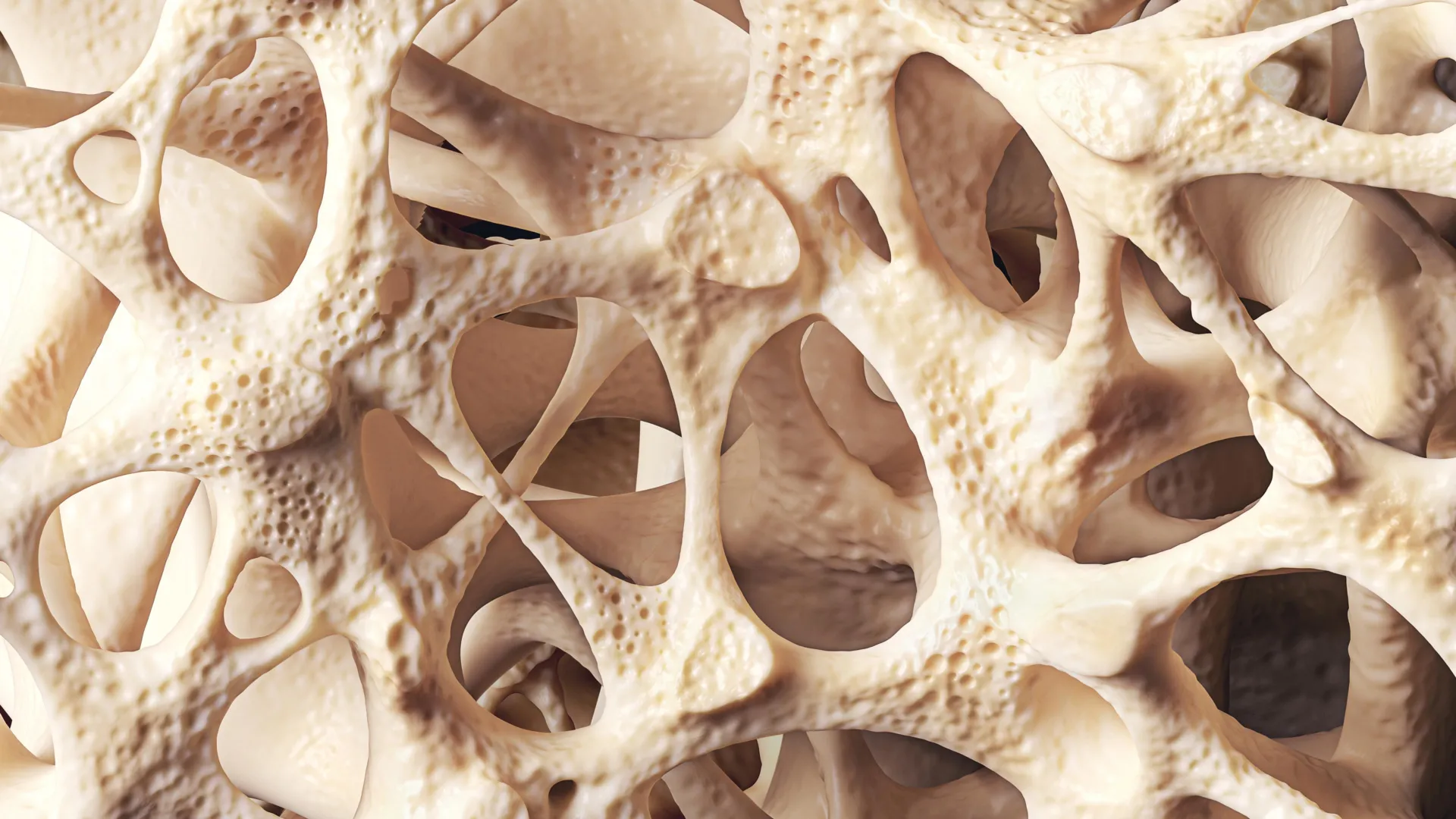
Osteopenia is a condition that causes bones to become less dense and more fragile, often going undetected until a fracture or bone scan. It can be influenced by factors such as aging, menopause, and lifestyle choices.
Osteopenia is a common condition that affects millions of people, causing bones to become less dense and more fragile over time. Because it develops silently, many people only discover they have it after a fracture or bone scan. Aging, menopause, poor diet, and inactivity can all contribute to bone loss. On the other hand, regular exercise, adequate calcium and vitamin D, and other healthy habits can slow or even partially reverse the decline. By adopting these healthy habits, individuals can reduce their risk of developing osteopenia or mitigate its effects if they already have the condition. According to general health guidelines, maintaining a balanced lifestyle is key to overall bone health. Osteopenia can have significant effects on a person's quality of life, making it essential to address the issue through a combination of medical guidance and personal effort.
Go Deeper
What is osteopenia?
Osteopenia is a condition characterized by a decrease in bone density, making bones more fragile and prone to fractures. It can be a precursor to osteoporosis, a more severe condition of bone loss.
What are the main causes of osteopenia?
The main causes of osteopenia include aging, menopause, poor diet, and inactivity. Other factors such as certain medical conditions, medications, and family history can also contribute to the development of osteopenia.
Can osteopenia be treated or reversed?
While osteopenia cannot be completely reversed, its progression can be slowed or partially reversed through a combination of regular exercise, adequate calcium and vitamin D intake, and other healthy habits. In some cases, medication may also be prescribed to help maintain bone density.
How is osteopenia diagnosed?
Osteopenia is often diagnosed using a bone density scan, which measures the density of bones in the body. This scan can help identify areas of low bone density and determine the risk of fractures.
What are the best ways to prevent osteopenia?
The best ways to prevent osteopenia include maintaining a healthy diet rich in calcium and vitamin D, engaging in regular exercise such as weight-bearing activities, and avoiding smoking and excessive alcohol consumption. Additionally, getting enough sleep and managing stress can also help support bone health.
More health
 health50+
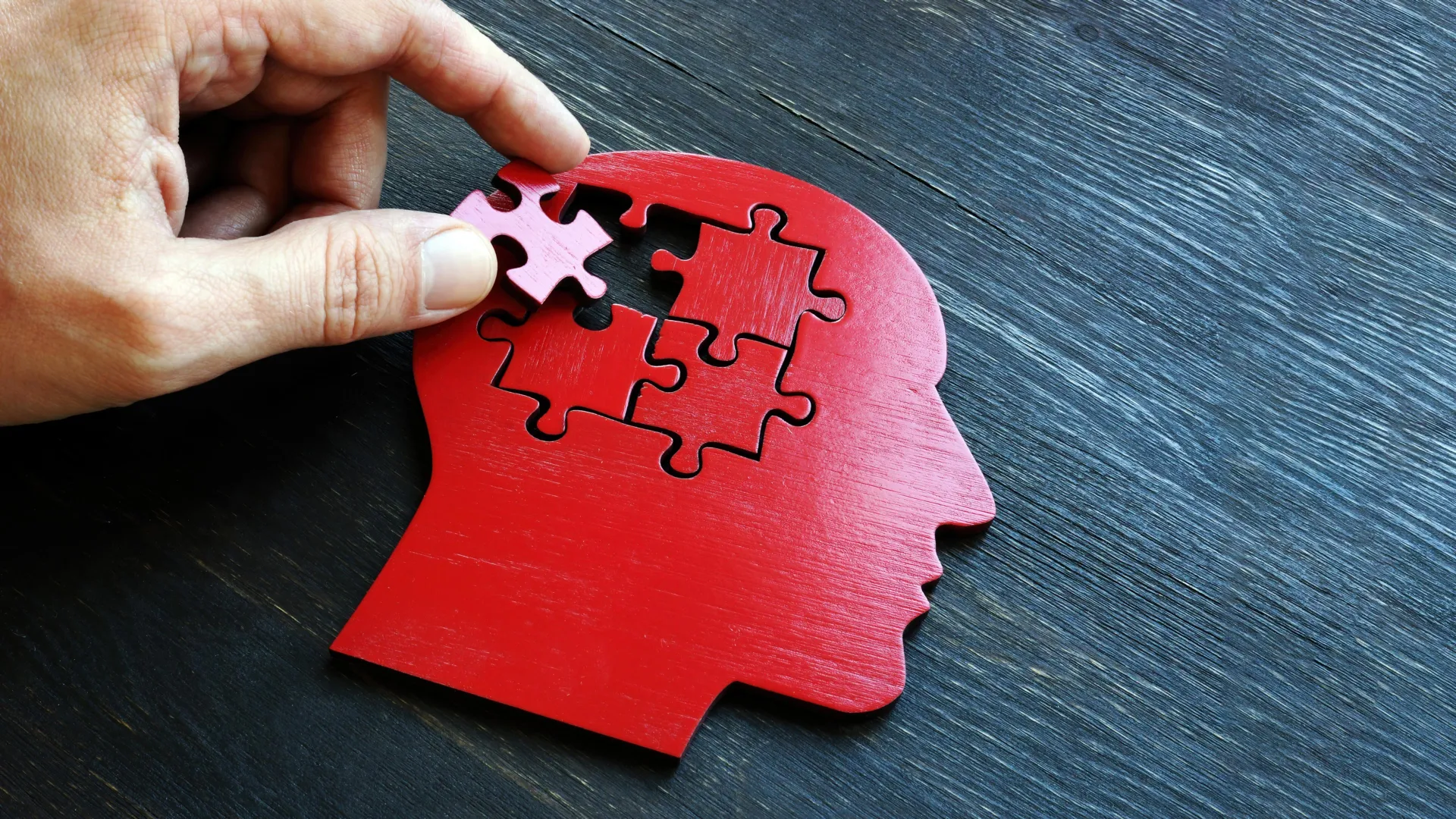
Mental Stimulation May Reduce Alzheimer's Risk
A lifetime of mental stimulation may help protect the brain as we age. People with high levels of cognitive enrichment had a lower risk of Alzheimer's
Jul 17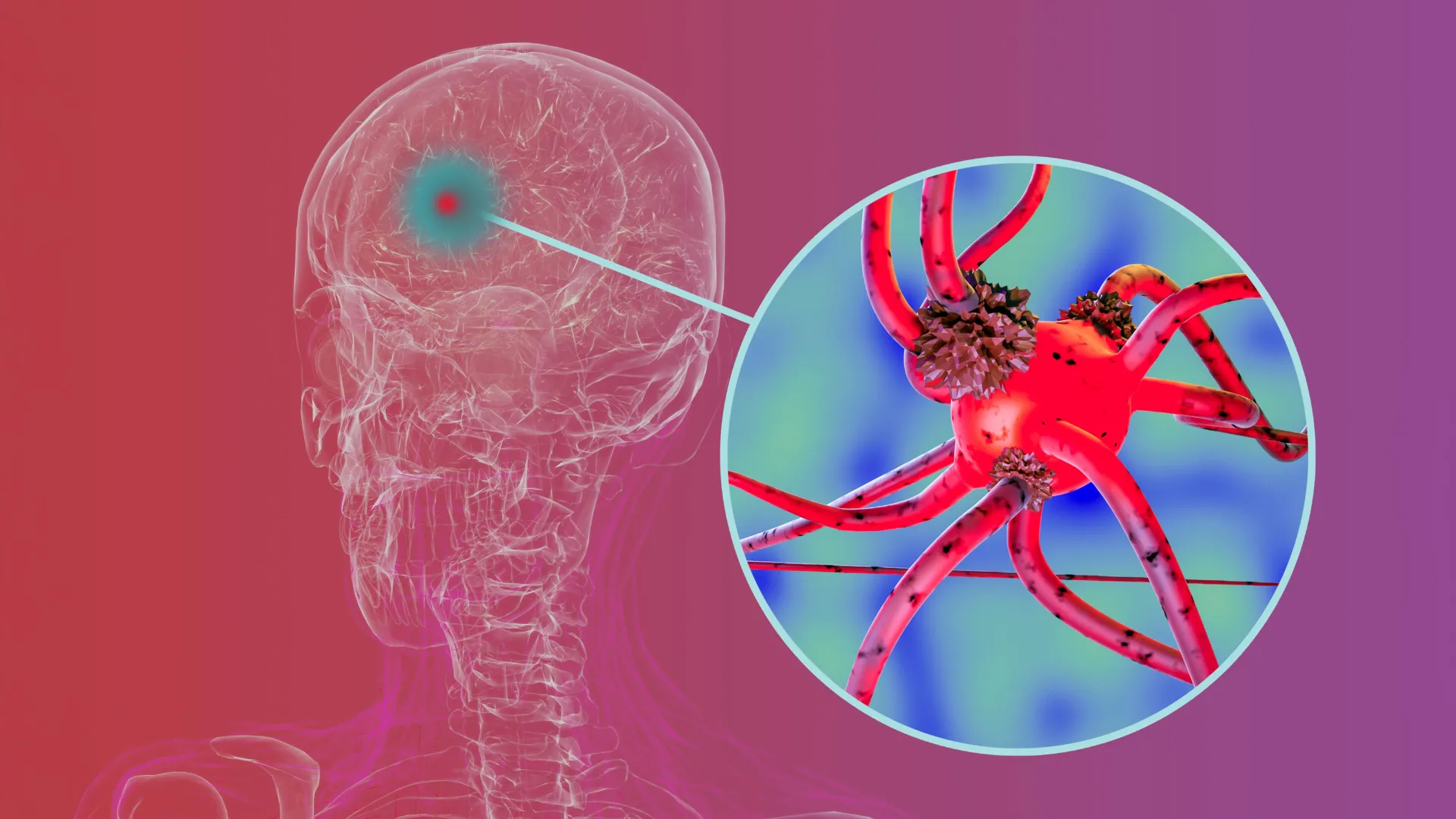 health50+
Researchers Identify Protein That May Contribute to Parkinson's Spread
Researchers have identified a protein called GPNMB that may play a role in the spread of Parkinson's disease through the brain. In experiments, blocki
Jul 16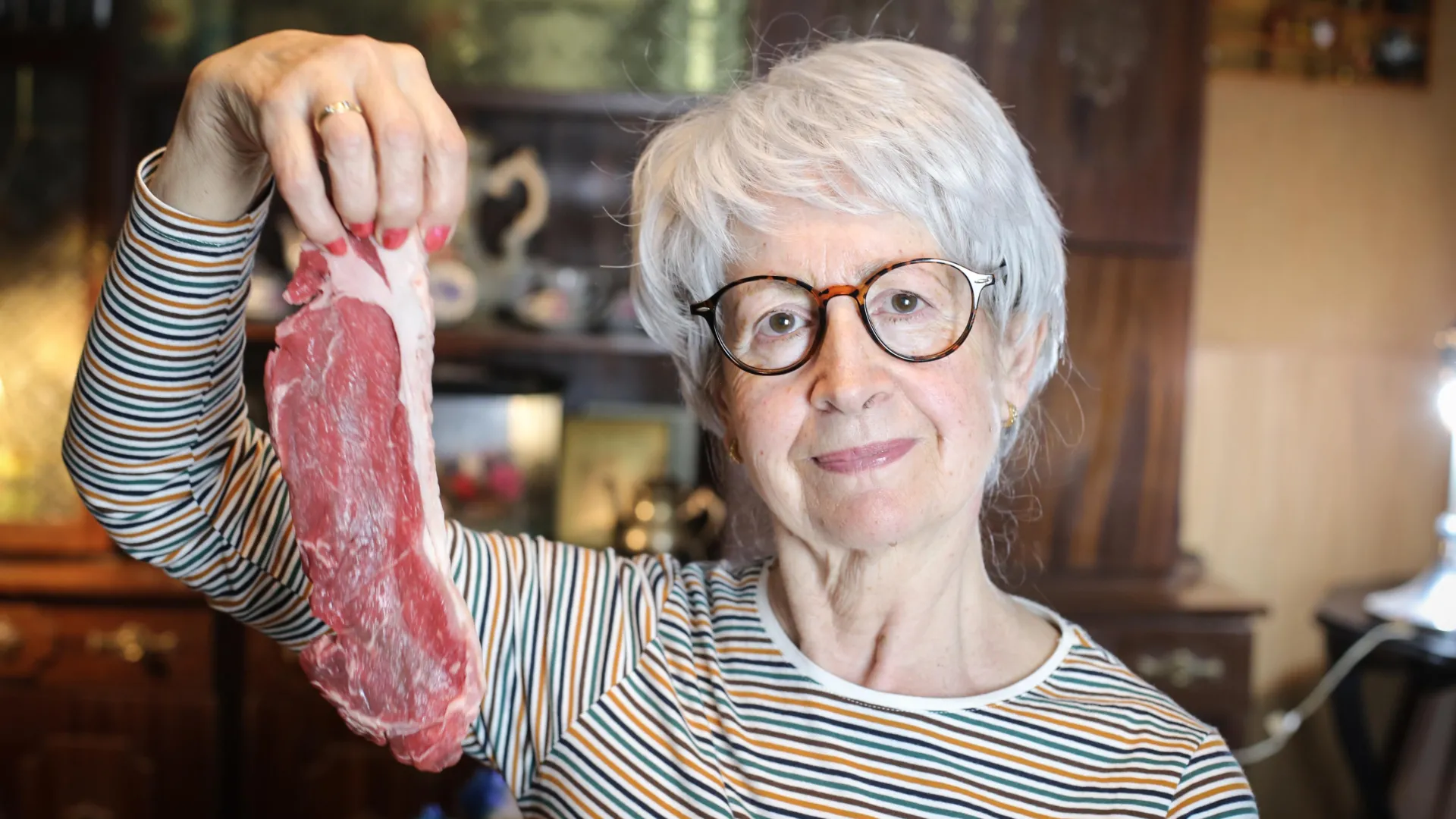 health50+
研究では、肉の摂取量が多いと一部の遺伝子グループのアルツハイマー病リスクが低下することが判明 |||9月||| 新しい研究は、高リスクのAPOE遺伝子変異を持つ高齢者は、肉を大量に食べると認知機能の低下が遅くなる可能性があることを示唆しています。の |||9月||| 50 Plus Hub は、50 歳以降のスマートな生活のための日刊新聞スタイルのポータルです。役立つガイダンス、ゲーム、ツール、セール、わかりやすい英語のヘルプが含まれています。 |||9月||| トピックス |||9月||| 10年までに |||9月||| 50代 |||9月||| 60代 |||9月||| 70代の場合 |||9月||| 80年以降 |||9月||| ゲームとツール |||9月||| メモリーマッチ |||9月||| リコールチェーン |||9月||| テレビの夜 |||9月||| 聖書トリビア |||9月||| 健康とウェルネス |||9月||| 医療警告 |||9月||| 生命保険 |||9月||| 携帯電話プラン |||9月||| ID の保護
A new study suggests that older adults with high-risk APOE gene variants may experience slower cognitive decline if they eat high amounts of meat. The
Jul 16