
Researchers Find Current Vitamin B12 Guidelines May Not Protect Aging Brain
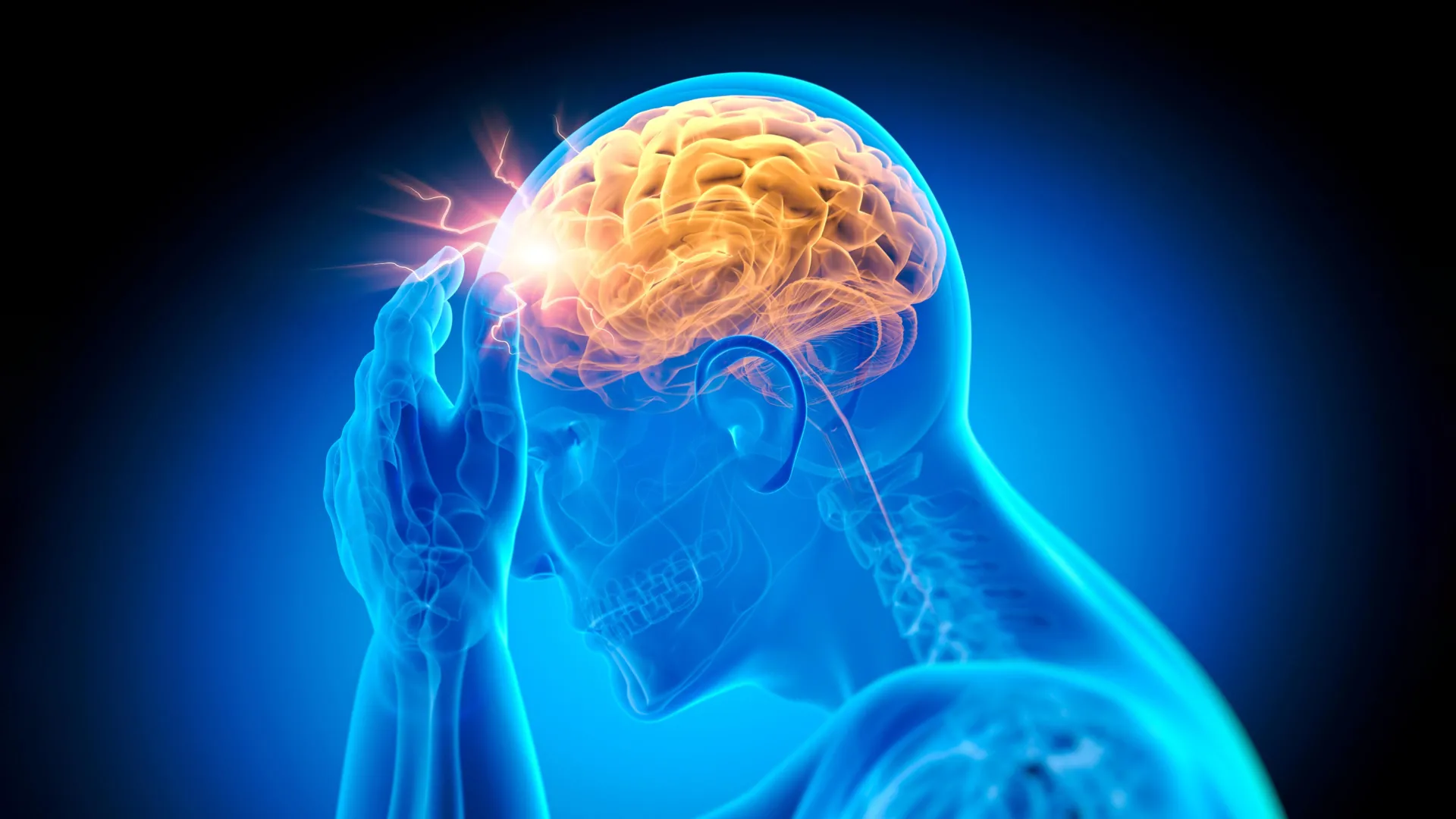
A study by UC San Francisco researchers suggests that current vitamin B12 guidelines may not be sufficient to protect the aging brain. The study found that older adults with lower levels of active B12 showed signs of cognitive decline and brain damage.
Researchers at UC San Francisco have found that getting enough vitamin B12 to meet current health guidelines may not actually be enough to protect the aging brain. Older adults with levels of active B12 that are considered normal but are on the lower end of the spectrum showed signs of slower thinking and delayed visual processing. Additionally, these individuals had more damage to the brain's white matter, which are the communication highways that help different brain regions work together. This damage can lead to a range of cognitive problems. The study's findings suggest that current guidelines for vitamin B12 intake may need to be reevaluated to ensure that older adults are getting enough of this essential nutrient to support brain health.
The study's results are significant because they highlight the importance of vitamin B12 for maintaining healthy brain function as we age. Vitamin B12 plays a critical role in the production of myelin, the fatty substance that surrounds and protects nerve fibers, and helps to facilitate communication between different brain regions. Without sufficient vitamin B12, the brain's communication highways can become damaged, leading to a range of cognitive problems.
Go Deeper
What is vitamin B12 and why is it important for brain health?
Vitamin B12 is a nutrient that plays a critical role in the production of myelin, the fatty substance that surrounds and protects nerve fibers. It helps to facilitate communication between different brain regions and is essential for maintaining healthy brain function.
What are the current health guidelines for vitamin B12 intake?
The current health guidelines for vitamin B12 intake vary by age and other factors, but generally recommend that adults get at least 2.4 micrograms of vitamin B12 per day.
What are the signs of vitamin B12 deficiency?
Signs of vitamin B12 deficiency can include fatigue, weakness, and cognitive problems such as slower thinking and delayed visual processing. In severe cases, vitamin B12 deficiency can cause damage to the brain's white matter and lead to a range of neurological problems.
How can I get enough vitamin B12 to support brain health?
Vitamin B12 can be found in a variety of foods, including meat, fish, and dairy products. It is also available in supplement form and can be prescribed by a doctor if necessary. Older adults may need to take extra steps to ensure they are getting enough vitamin B12, such as getting regular blood tests to check their levels.
What are the implications of this study for public health?
この研究結果は、高齢者が脳の健康をサポートするためにこの必須栄養素を十分に摂取できるようにするために、ビタミンB12摂取に関する現在のガイドラインを再評価する必要がある可能性があることを示唆している。これは、特に高齢者の認知機能低下や認知症のリスクを軽減するという点で、公衆衛生に重大な影響を与える可能性があります。 |||9月||| さらなる健康 |||9月||| 精神的刺激はアルツハイマー病のリスクを軽減する可能性がある |||9月||| 精神的な刺激を一生受け続けることは、年齢を重ねても脳を保護するのに役立つ可能性があります。認知能力が高い人はアルツハイマー病のリスクが低い |||9月||| 7月17日 |||9月||| 研究者らがパーキンソン病の蔓延に寄与する可能性のあるタンパク質を特定 |||9月||| 研究者らは、脳を介したパーキンソン病の蔓延に関与している可能性があるGPNMBと呼ばれるタンパク質を特定した。実験では、ブロック |||9月||| 7月16日 |||9月||| 研究では、肉の摂取量が多いと一部の遺伝子グループのアルツハイマー病リスクが低下することが判明 |||9月||| 新しい研究は、高リスクのAPOE遺伝子変異を持つ高齢者は、肉を大量に食べると認知機能の低下が遅くなる可能性があることを示唆しています。の |||9月||| 50 Plus Hub は、50 歳以降のスマートな生活のための日刊新聞スタイルのポータルです。役立つガイダンス、ゲーム、ツール、セール、わかりやすい英語のヘルプが含まれています。 |||9月||| トピックス |||9月||| 10年までに |||9月||| 50代 |||9月||| 60代 |||9月||| 70代の場合 |||9月||| 80年以降 |||9月||| ゲームとツール |||9月||| メモリーマッチ |||9月||| リコールチェーン |||9月||| テレビの夜 |||9月||| 聖書トリビア |||9月||| 健康とウェルネス |||9月||| 医療警告 |||9月||| 生命保険 |||9月||| 携帯電話プラン
More health
 health50+
Mental Stimulation May Reduce Alzheimer's Risk
A lifetime of mental stimulation may help protect the brain as we age. People with high levels of cognitive enrichment had a lower risk of Alzheimer's
Jul 17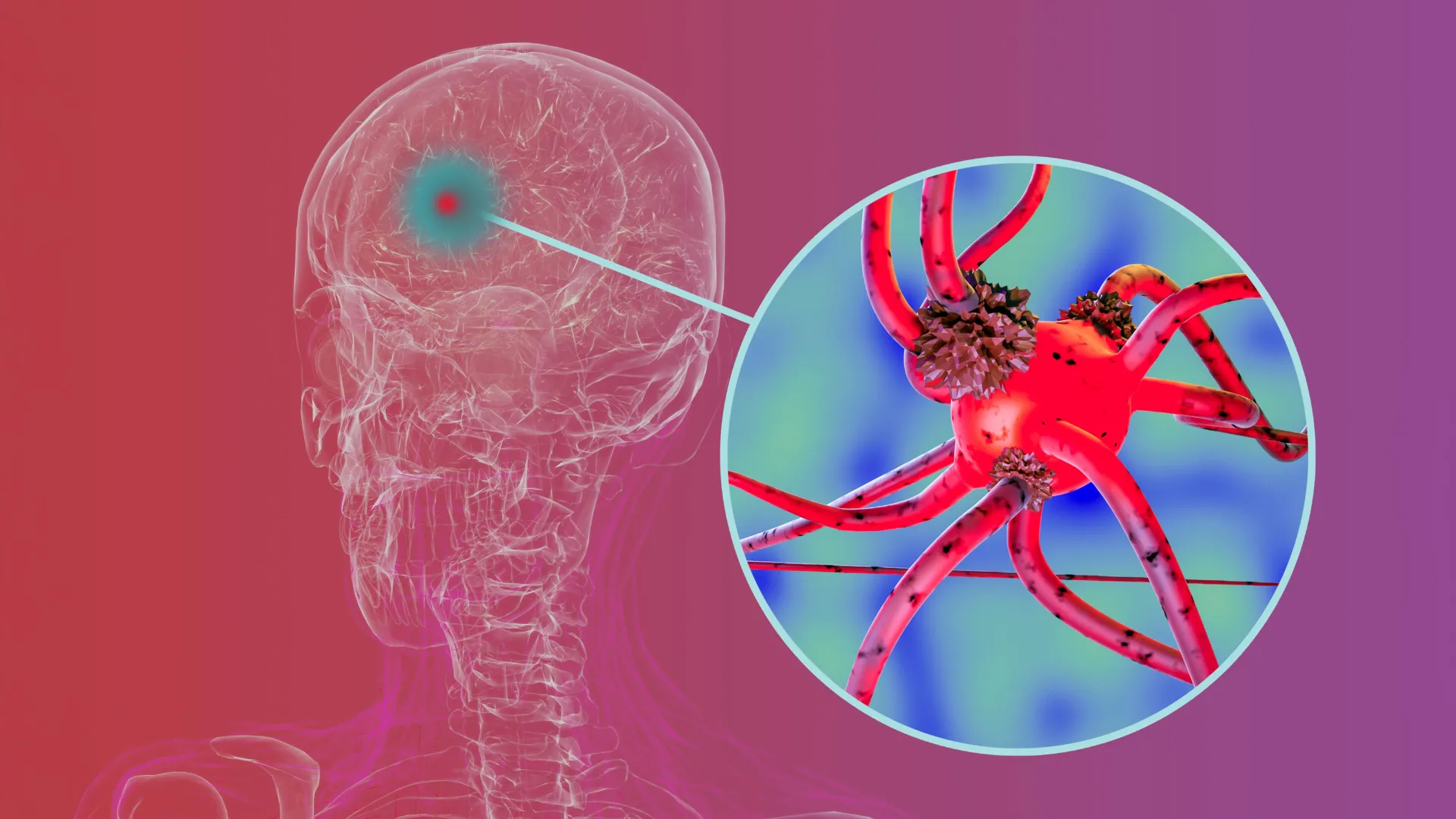 health50+
Researchers Identify Protein That May Contribute to Parkinson's Spread
Researchers have identified a protein called GPNMB that may play a role in the spread of Parkinson's disease through the brain. In experiments, blocki
Jul 16 health50+
Study Links High Meat Consumption to Lower Alzheimer’s Risk for Some Genetic Groups
A new study suggests that older adults with high-risk APOE gene variants may experience slower cognitive decline if they eat high amounts of meat. The
Jul 16