
Researchers Identify Protein Linked to Aging Process
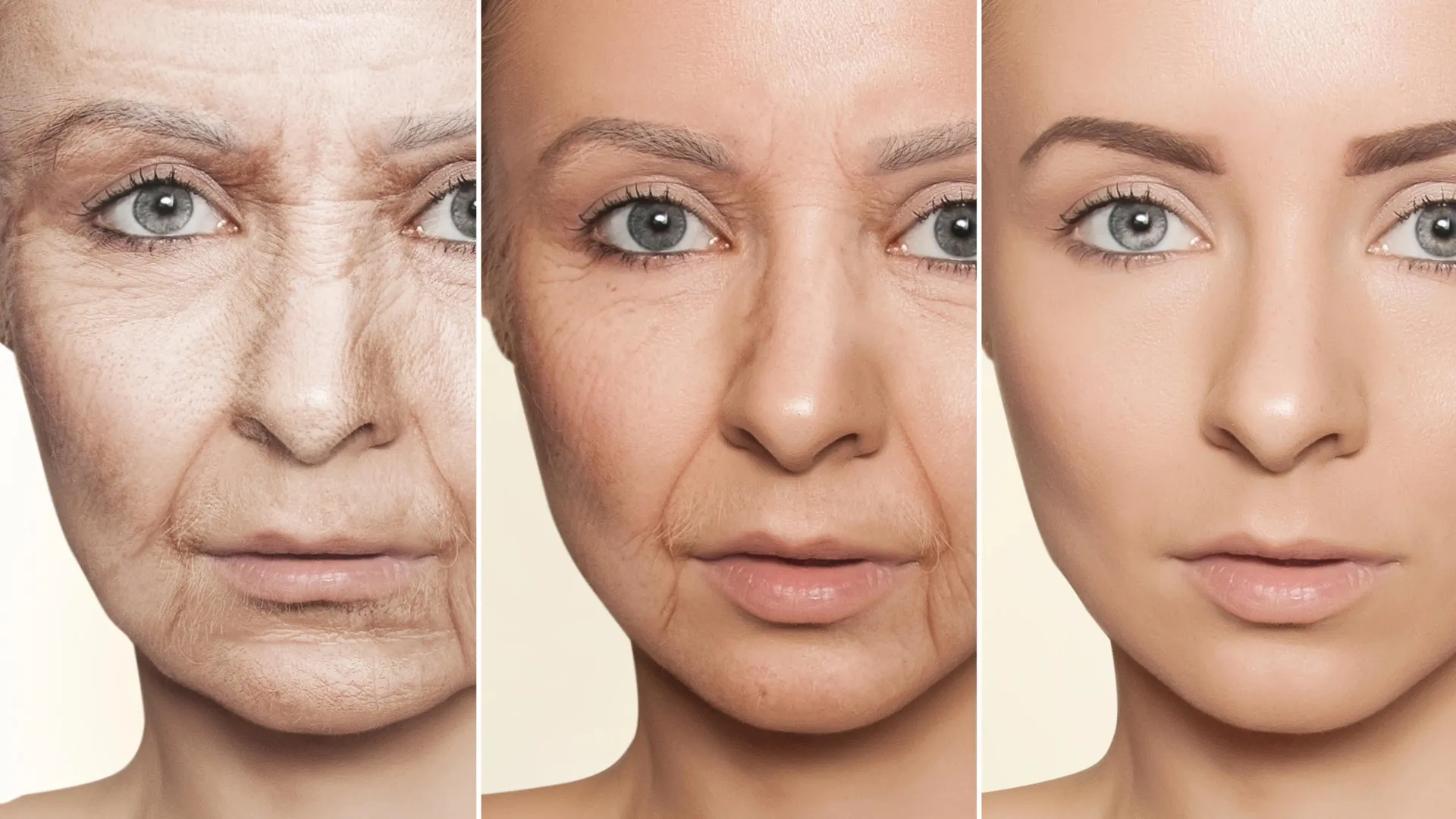
Scientists have discovered a brain protein called Menin that may contribute to the aging process. Restoring Menin levels in mice reversed some age-related effects, and a supplement called D-serine improved cognition.
A team of researchers has identified a protein in the brain that may play a significant role in the aging process. The protein, called Menin, is found in the hypothalamus, a region of the brain that regulates various bodily functions. According to the study, declining levels of Menin in the hypothalamus triggered a range of age-related changes in mice, including inflammation, memory problems, and bone loss.
The researchers found that restoring Menin levels in the mice reversed several of these effects. Additionally, they discovered that a simple amino acid supplement called D-serine boosted cognition in the mice. The study's findings suggest that Menin may be a key driver of the aging process, and that targeting this protein could potentially lead to new treatments for age-related decline.
The discovery of Menin's role in aging is a significant one, as it opens up a new avenue for research into the underlying causes of age-related changes. Further study is needed to fully understand the relationship between Menin and aging, but the initial findings are promising.
The use of D-serine as a supplement to improve cognition is also noteworthy, as it suggests that simple interventions may be able to mitigate some of the effects of aging. Overall, the study's results provide new insights into the complex process of aging, and may ultimately lead to the development of new therapies to promote healthy aging.
Go Deeper
What is the role of the hypothalamus in the body?
The hypothalamus is a region of the brain that regulates various bodily functions, including body temperature, hunger, and thirst. It plays a crucial role in maintaining the body's homeostasis, or balance.
What is Menin and how does it relate to aging?
Menin is a protein found in the hypothalamus that may contribute to the aging process. Declining levels of Menin have been linked to age-related changes, including inflammation, memory problems, and bone loss.
How did the researchers restore Menin levels in the mice?
The study does not provide details on the method used to restore Menin levels in the mice, but it is likely that the researchers used a genetic or pharmacological approach to increase Menin expression.
What is D-serine and how does it affect cognition?
D-serine is an amino acid supplement that has been shown to boost cognition in mice. It is thought to play a role in synaptic function and plasticity, which are important for learning and memory.
What are the potential implications of this research for human health?
老化におけるメニンの役割と認知促進剤としての D-セリンの可能性の発見は、健康的な老化を促進する新しい治療法の開発につながる可能性があります。しかし、メニンと老化の関係を完全に理解し、これらの発見を人間に応用できるかどうかを判断するには、さらなる研究が必要です。 |||9月||| さらなる健康 |||9月||| 精神的刺激はアルツハイマー病のリスクを軽減する可能性がある |||9月||| 精神的な刺激を一生受け続けることは、年齢を重ねても脳を保護するのに役立つ可能性があります。認知能力が高い人はアルツハイマー病のリスクが低い |||9月||| 7月17日 |||9月||| 研究者らがパーキンソン病の蔓延に寄与する可能性のあるタンパク質を特定 |||9月||| 研究者らは、脳を介したパーキンソン病の蔓延に関与している可能性があるGPNMBと呼ばれるタンパク質を特定した。実験では、ブロック |||9月||| 7月16日 |||9月||| 研究では、肉の摂取量が多いと一部の遺伝子グループのアルツハイマー病リスクが低下することが判明 |||9月||| 新しい研究は、高リスクのAPOE遺伝子変異を持つ高齢者は、肉を大量に食べると認知機能の低下が遅くなる可能性があることを示唆しています。の |||9月||| 50 Plus Hub は、50 歳以降のスマートな生活のための日刊新聞スタイルのポータルです。役立つガイダンス、ゲーム、ツール、セール、わかりやすい英語のヘルプが含まれています。 |||9月||| トピックス |||9月||| 10年までに |||9月||| 50代 |||9月||| 60代 |||9月||| 70代の場合 |||9月||| 80年以降 |||9月||| ゲームとツール |||9月||| メモリーマッチ |||9月||| リコールチェーン |||9月||| テレビの夜 |||9月||| 聖書トリビア |||9月||| 健康とウェルネス |||9月||| 医療警告
More health
 health50+
Mental Stimulation May Reduce Alzheimer's Risk
A lifetime of mental stimulation may help protect the brain as we age. People with high levels of cognitive enrichment had a lower risk of Alzheimer's
Jul 17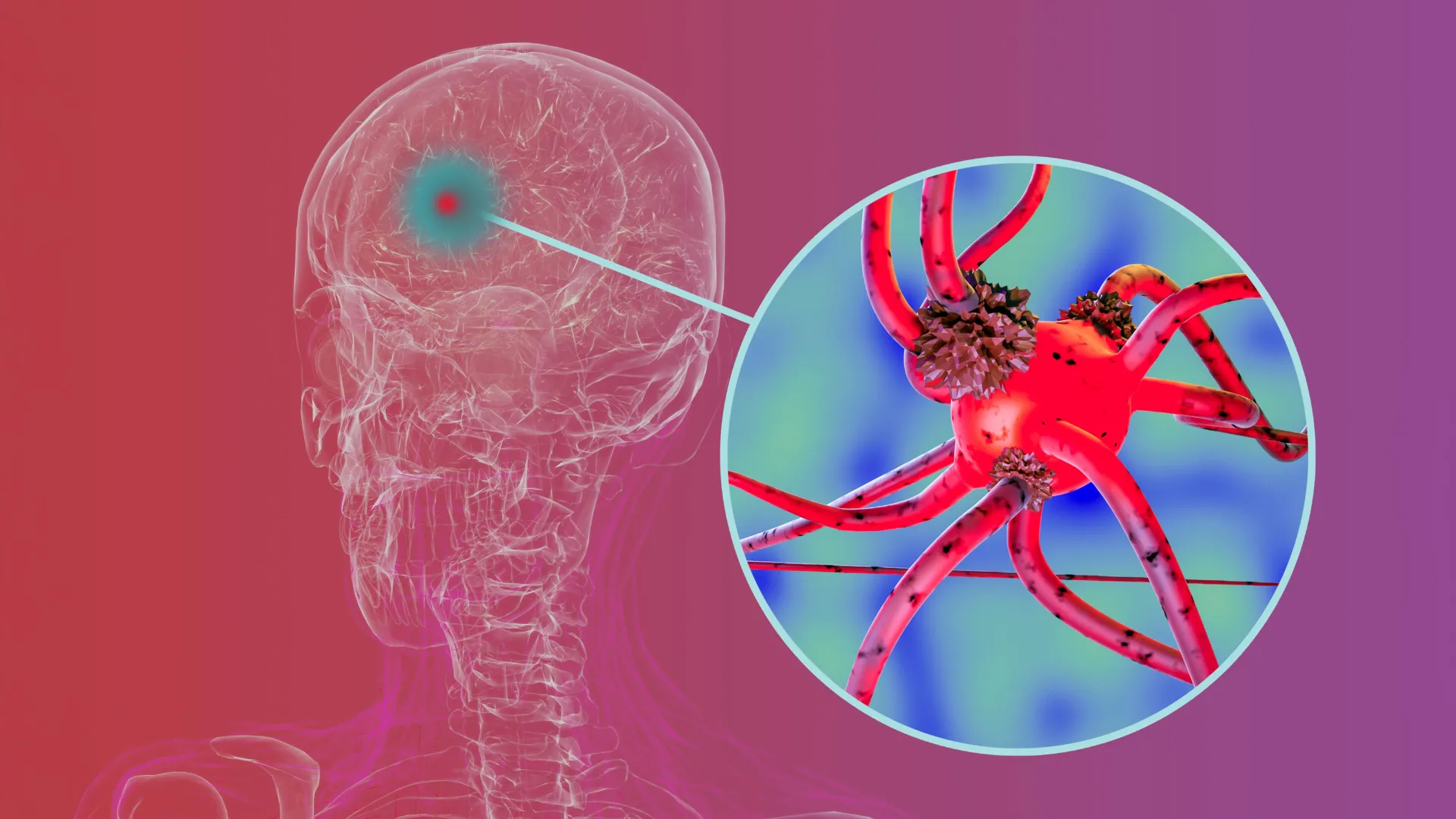 health50+
Researchers Identify Protein That May Contribute to Parkinson's Spread
Researchers have identified a protein called GPNMB that may play a role in the spread of Parkinson's disease through the brain. In experiments, blocki
Jul 16 health50+
Study Links High Meat Consumption to Lower Alzheimer’s Risk for Some Genetic Groups
A new study suggests that older adults with high-risk APOE gene variants may experience slower cognitive decline if they eat high amounts of meat. The
Jul 16