
Scientists Discover Molecular Mechanism Linked to Alzheimer's Brain Inflammation
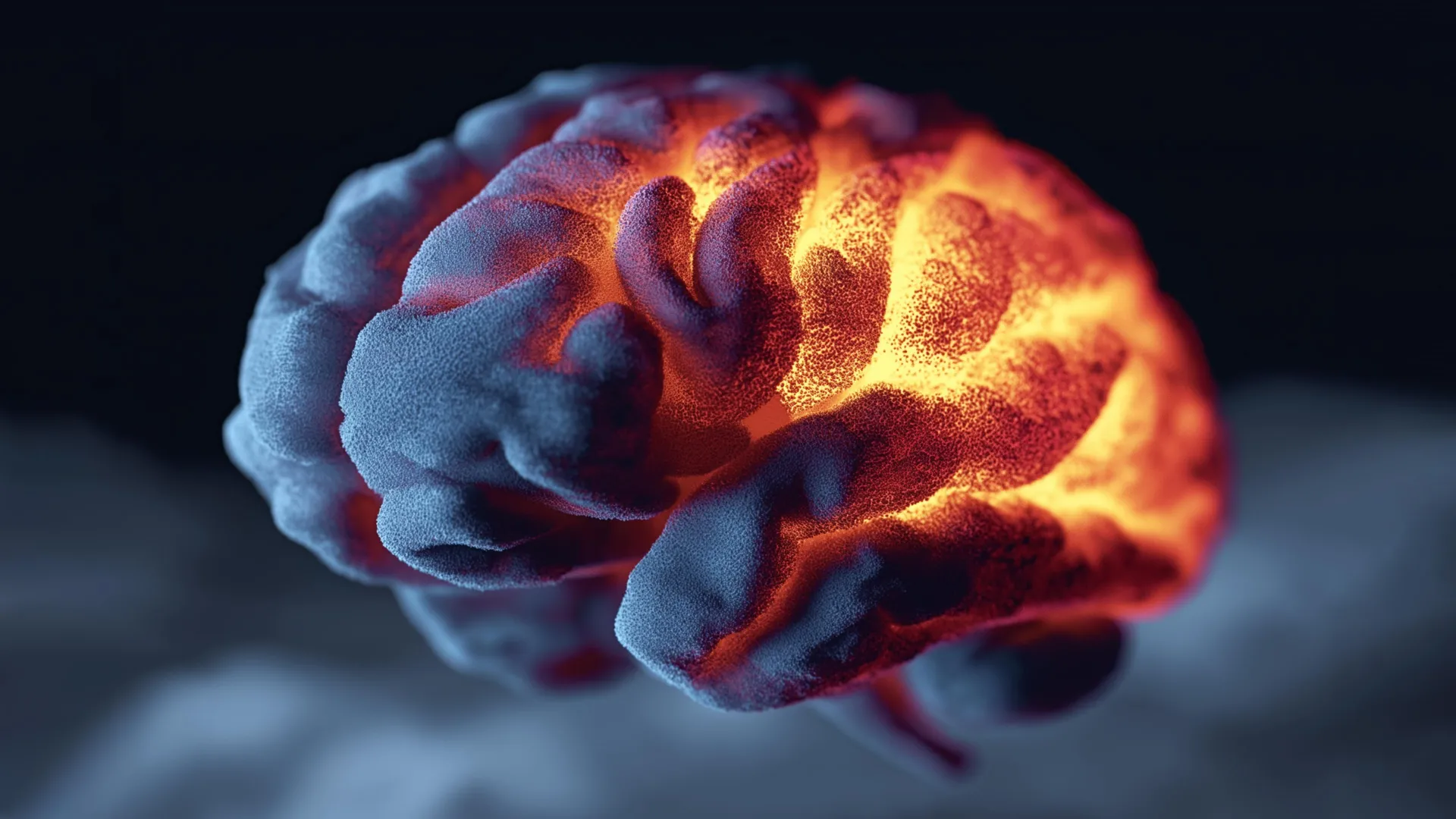
Researchers at Scripps Research have identified a protein that contributes to brain inflammation in Alzheimer's disease. The protein, called STING, is chemically altered, leading to an overactive immune response that harms nerve cell connections.
Scientists at Scripps Research have made a significant discovery in the fight against Alzheimer's disease. They have found that a protein called STING plays a key role in the brain inflammation associated with the condition. When STING is chemically altered, it can keep the brain's immune system in a state of overdrive, causing damage to the connections between nerve cells.
The researchers believe that this molecular mechanism may be a major contributor to the progression of Alzheimer's disease. By understanding how STING contributes to brain inflammation, scientists may be able to develop new treatments that target this protein and help to slow or halt the progression of the disease.
Go Deeper
What is STING and how does it contribute to Alzheimer's?
STING is a protein that, when chemically altered, can cause the brain's immune system to become overactive, leading to inflammation and damage to nerve cell connections in Alzheimer's disease. This process can contribute to the progression of the condition.
How does the immune system's overdrive harm the brain?
When the immune system is stuck in overdrive, it can cause inflammation in the brain, which damages the connections between nerve cells. This damage can lead to the symptoms associated with Alzheimer's disease, such as memory loss and cognitive decline.
Can targeting STING lead to new treatments for Alzheimer's?
Yes, by understanding how STING contributes to brain inflammation, scientists may be able to develop new treatments that target this protein. These treatments could potentially help to slow or halt the progression of Alzheimer's disease.
What are the next steps in researching STING's role in Alzheimer's?
Further research is needed to fully understand the role of STING in Alzheimer's disease. Scientists will likely continue to study the protein and its effects on the brain, with the goal of developing effective treatments.
How might this discovery impact our understanding of Alzheimer's disease?
This discovery could significantly advance our understanding of Alzheimer's disease, particularly in terms of the role of inflammation in the condition. It may also lead to new avenues for treatment and prevention.
More health
 health50+
Mental Stimulation May Reduce Alzheimer's Risk
A lifetime of mental stimulation may help protect the brain as we age. People with high levels of cognitive enrichment had a lower risk of Alzheimer's
Jul 17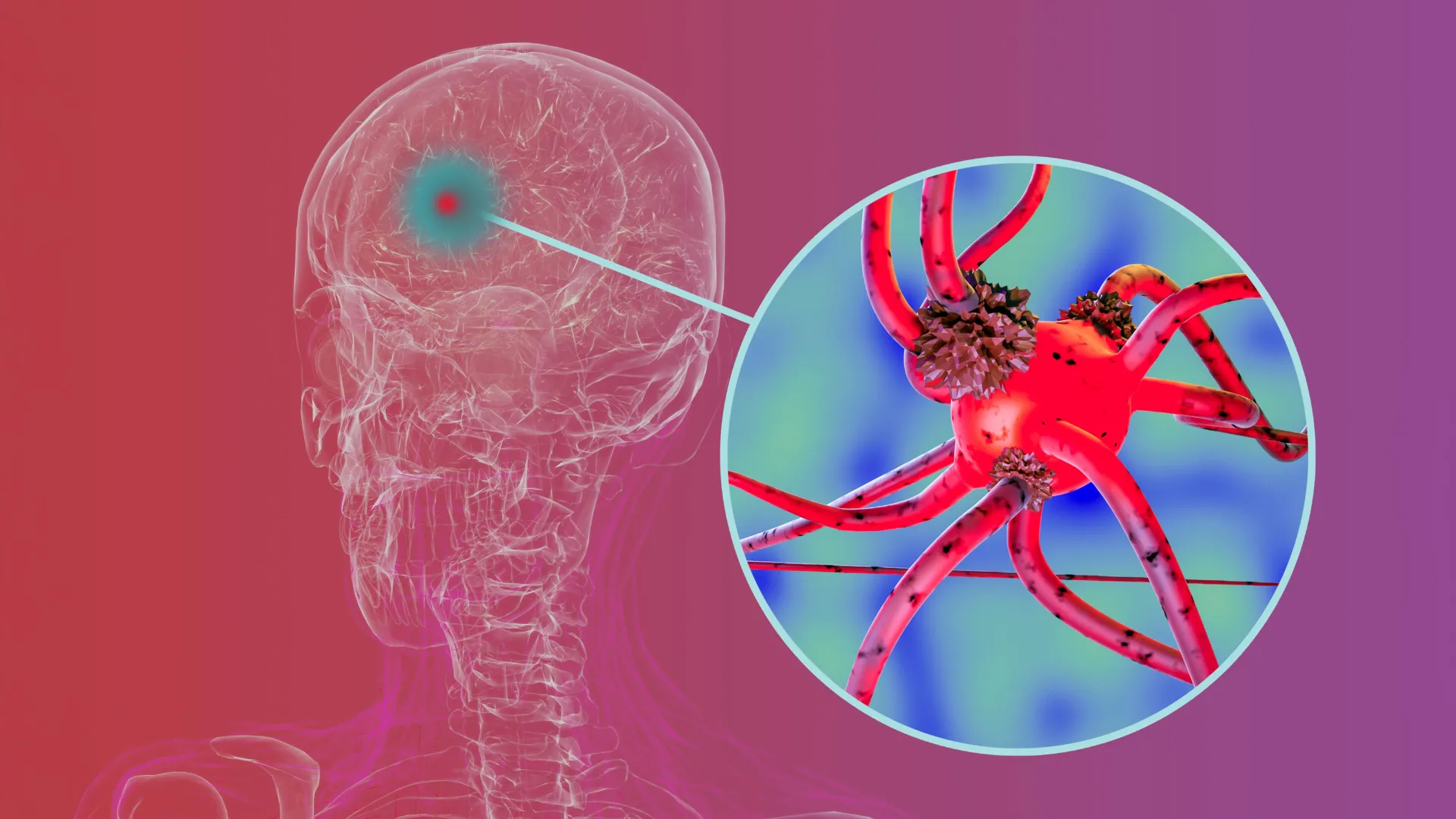 health50+
Researchers Identify Protein That May Contribute to Parkinson's Spread
研究者らは、脳を介したパーキンソン病の蔓延に関与している可能性があるGPNMBと呼ばれるタンパク質を特定した。実験では、ブロック |||9月||| 7月16日 |||9月||| 研究では、肉の摂取量が多いと一部の遺伝子グループのアルツハイマー病リスクが低下することが判明 |||9月||| 新しい研究は、高リスクのAPOE遺伝子変異を持つ高齢者は、肉を大量に食べると認知機能の低下が遅くなる可能性があることを示唆しています。の |||9月||| 50 Plus Hub は、50 歳以降のスマートな生活のための日刊新聞スタイルのポータルです。役立つガイダンス、ゲーム、ツール、セール、わかりやすい英語のヘルプが含まれています。 |||9月||| トピックス |||9月||| 10年までに |||9月||| 50代 |||9月||| 60代 |||9月||| 70代の場合 |||9月||| 80年以降 |||9月||| ゲームとツール |||9月||| メモリーマッチ |||9月||| リコールチェーン |||9月||| テレビの夜 |||9月||| 聖書トリビア |||9月||| 健康とウェルネス |||9月||| 医療警告 |||9月||| 生命保険 |||9月||| 携帯電話プラン
Jul 16 health50+
Study Links High Meat Consumption to Lower Alzheimer’s Risk for Some Genetic Groups
A new study suggests that older adults with high-risk APOE gene variants may experience slower cognitive decline if they eat high amounts of meat. The
Jul 16