
Scientists Use Nanotechnology to Reverse Alzheimer's Symptoms in Mice

Researchers have developed a nanotechnology treatment that reverses Alzheimer's symptoms in mice by clearing toxic proteins from the brain. The treatment also repairs the blood-brain barrier, which protects the brain's environment.
Scientists have made a breakthrough in treating Alzheimer's disease using nanotechnology. A new treatment has been shown to reverse Alzheimer's symptoms in mice by restoring the brain's natural cleanup system. The specially engineered nanoparticles help clear toxic amyloid proteins from the brain, which is a key factor in the development of Alzheimer's disease.
The treatment also repairs the blood-brain barrier, which normally protects and regulates the brain's environment. This barrier is often damaged in people with Alzheimer's, allowing toxic substances to enter the brain and cause further damage. In one notable experiment, elderly mice that were treated with the therapy later behaved like healthy younger mice, showing significant improvement in their cognitive function.
The study's findings are promising and could potentially lead to new treatments for Alzheimer's disease in humans. However, more research is needed to determine the safety and effectiveness of the treatment in people.
Go Deeper
What is the main cause of Alzheimer's disease?
Alzheimer's disease is caused by the buildup of toxic amyloid proteins in the brain, which damages brain cells and leads to cognitive decline. The disease is also characterized by the damage to the blood-brain barrier, which normally protects the brain's environment.
How does the new nanotechnology treatment work?
The treatment uses specially engineered nanoparticles to clear toxic amyloid proteins from the brain and repair the blood-brain barrier. This helps to restore the brain's natural cleanup system and prevent further damage.
What were the results of the experiment on elderly mice?
The elderly mice that were treated with the therapy showed significant improvement in their cognitive function and behaved like healthy younger mice. This suggests that the treatment may be effective in reversing Alzheimer's symptoms.
Could this treatment be used to treat Alzheimer's disease in humans?
The study's findings are promising, but more research is needed to determine the safety and effectiveness of the treatment in people. The treatment would need to be tested in clinical trials to determine its potential as a treatment for Alzheimer's disease.
What is the next step in developing this treatment?
The next step would be to conduct further research to refine the treatment and test its safety and effectiveness in humans. This would involve conducting clinical trials to determine the optimal dosage and treatment regimen, as well as monitoring for any potential side effects.
More health
 health50+
Mental Stimulation May Reduce Alzheimer's Risk
精神的な刺激を一生受け続けることは、年齢を重ねても脳を保護するのに役立つ可能性があります。認知能力が高い人はアルツハイマー病のリスクが低い |||9月||| 7月17日 |||9月||| 研究者らがパーキンソン病の蔓延に寄与する可能性のあるタンパク質を特定 |||9月||| 研究者らは、脳を介したパーキンソン病の蔓延に関与している可能性があるGPNMBと呼ばれるタンパク質を特定した。実験では、ブロック |||9月||| 7月16日 |||9月||| 研究では、肉の摂取量が多いと一部の遺伝子グループのアルツハイマー病リスクが低下することが判明 |||9月||| 新しい研究は、高リスクのAPOE遺伝子変異を持つ高齢者は、肉を大量に食べると認知機能の低下が遅くなる可能性があることを示唆しています。の |||9月||| 50 Plus Hub は、50 歳以降のスマートな生活のための日刊新聞スタイルのポータルです。役立つガイダンス、ゲーム、ツール、セール、わかりやすい英語のヘルプが含まれています。 |||9月||| トピックス |||9月||| 10年までに |||9月||| 50代 |||9月||| 60代 |||9月||| 70代の場合 |||9月||| 80年以降 |||9月||| ゲームとツール |||9月||| メモリーマッチ |||9月||| リコールチェーン |||9月||| テレビの夜 |||9月||| 聖書トリビア |||9月||| 健康とウェルネス |||9月||| 医療警告 |||9月||| 生命保険
Jul 17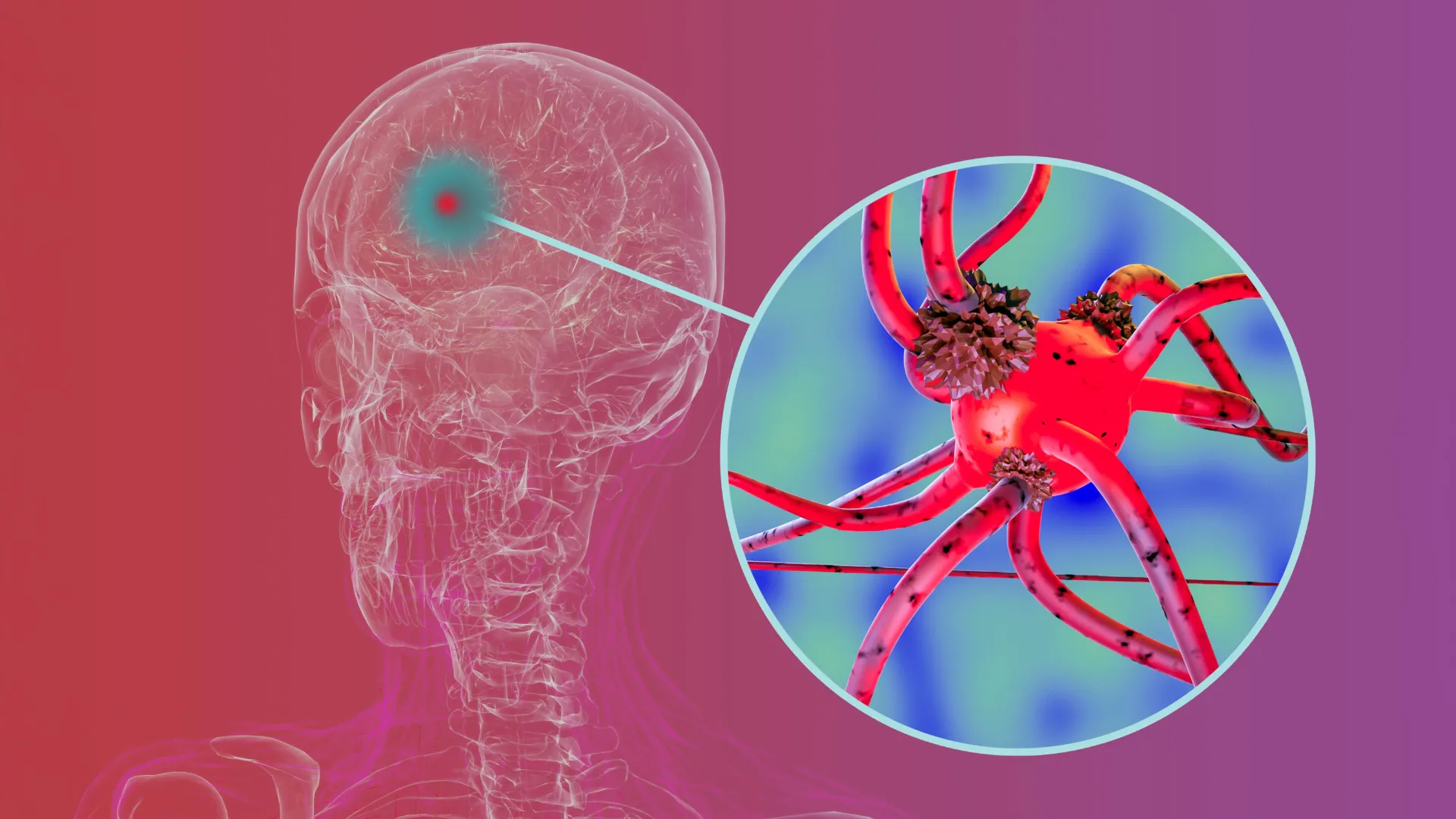 health50+
Researchers Identify Protein That May Contribute to Parkinson's Spread
Researchers have identified a protein called GPNMB that may play a role in the spread of Parkinson's disease through the brain. In experiments, blocki
Jul 16 health50+
Study Links High Meat Consumption to Lower Alzheimer’s Risk for Some Genetic Groups
A new study suggests that older adults with high-risk APOE gene variants may experience slower cognitive decline if they eat high amounts of meat. The
Jul 16