
Study Finds Genes Account for Half of Lifespan Differences
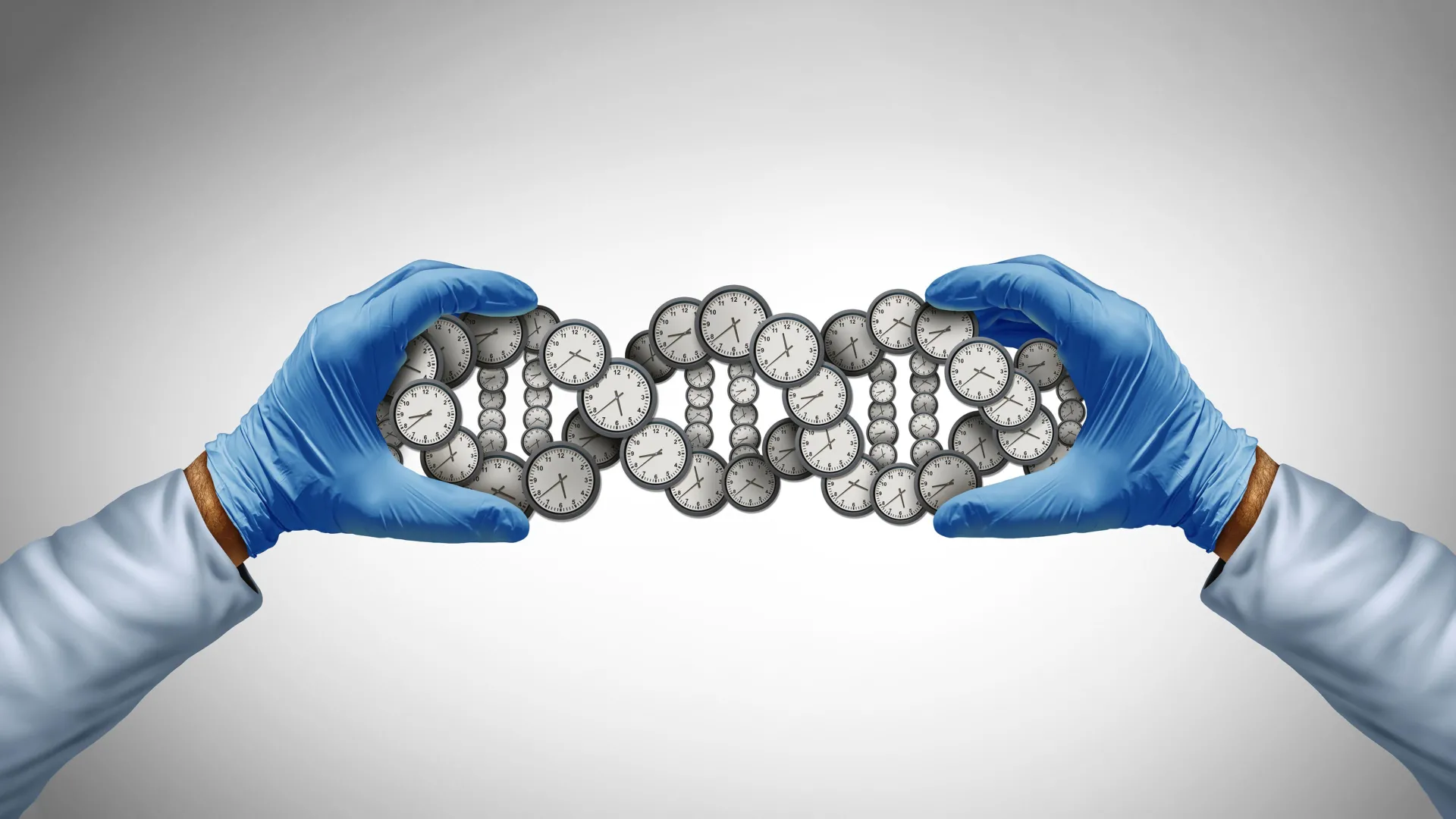
A new study from the Weizmann Institute suggests genes play a significant role in determining lifespan, accounting for about half of the differences in how long people live. The research analyzed twin datasets and used simulations to filter out external causes of death.
For years, scientists believed that environment and chance were the primary factors in determining lifespan, with genetics playing a minor role. However, a recent study from the Weizmann Institute has challenged this idea. By analyzing massive twin datasets, including twins raised apart, researchers found that genes may actually account for about half of the differences in how long people live. The study used innovative simulations to filter out deaths from accidents and other external causes, uncovering a hidden genetic influence that had been masked for decades. This new information could significantly impact our understanding of the factors that contribute to lifespan. The researchers' findings are based on a thorough analysis of the data, which revealed a substantial genetic component to lifespan. The study's results have the potential to inform future research on aging and longevity.
Go Deeper
What led scientists to previously believe environment and chance were the primary factors in determining lifespan?
Scientists previously believed environment and chance were the primary factors in determining lifespan due to the complexity of the factors involved and the limited data available at the time. However, with the advancement of technology and the collection of more data, researchers are now able to better understand the role of genetics in determining lifespan.
How did the Weizmann Institute study account for external causes of death?
The Weizmann Institute study used innovative simulations to filter out deaths from accidents and other external causes, allowing researchers to focus on the genetic factors that contribute to lifespan. This approach helped to uncover a hidden genetic influence that had been masked for decades.
What are the implications of the study's findings on our understanding of the factors that contribute to lifespan?
The study's findings suggest that genes play a significant role in determining lifespan, accounting for about half of the differences in how long people live. This new information could significantly impact our understanding of the factors that contribute to lifespan and inform future research on aging and longevity.
How did the researchers use twin datasets in their study?
The researchers analyzed massive twin datasets, including twins raised apart, to better understand the role of genetics in determining lifespan. By comparing the lifespans of identical twins raised in different environments, the researchers were able to isolate the genetic factors that contribute to lifespan.
What are the potential applications of the study's findings?
この研究結果は、老化と長寿に関する将来の研究に情報を与える可能性があり、健康的な老化を促進し、寿命を延ばすための新たな戦略の開発につながる可能性がある。さらに、この研究の結果は、個人の固有の遺伝子プロフィールに合わせて治療と予防戦略を調整するために遺伝情報が使用される個別化医療の分野にも影響を与える可能性がある。 |||9月||| さらなる健康 |||9月||| 精神的刺激はアルツハイマー病のリスクを軽減する可能性がある |||9月||| 精神的な刺激を一生受け続けることは、年齢を重ねても脳を保護するのに役立つ可能性があります。認知能力が高い人はアルツハイマー病のリスクが低い |||9月||| 7月17日 |||9月||| 研究者らがパーキンソン病の蔓延に寄与する可能性のあるタンパク質を特定 |||9月||| 研究者らは、脳を介したパーキンソン病の蔓延に関与している可能性があるGPNMBと呼ばれるタンパク質を特定した。実験では、ブロック |||9月||| 7月16日 |||9月||| 研究では、肉の摂取量が多いと一部の遺伝子グループのアルツハイマー病リスクが低下することが判明 |||9月||| 新しい研究は、高リスクのAPOE遺伝子変異を持つ高齢者は、肉を大量に食べると認知機能の低下が遅くなる可能性があることを示唆しています。の |||9月||| 50 Plus Hub は、50 歳以降のスマートな生活のための日刊新聞スタイルのポータルです。役立つガイダンス、ゲーム、ツール、セール、わかりやすい英語のヘルプが含まれています。 |||9月||| トピックス |||9月||| 10年までに |||9月||| 50代 |||9月||| 60代 |||9月||| 70代の場合 |||9月||| 80年以降 |||9月||| ゲームとツール |||9月||| メモリーマッチ |||9月||| リコールチェーン |||9月||| テレビナイト |||9月||| 聖書トリビア |||9月||| 健康とウェルネス |||9月||| 医療警告 |||9月||| 生命保険 |||9月||| 携帯電話プラン |||9月||| ID の保護
More health
 health50+
Mental Stimulation May Reduce Alzheimer's Risk
A lifetime of mental stimulation may help protect the brain as we age. People with high levels of cognitive enrichment had a lower risk of Alzheimer's
Jul 17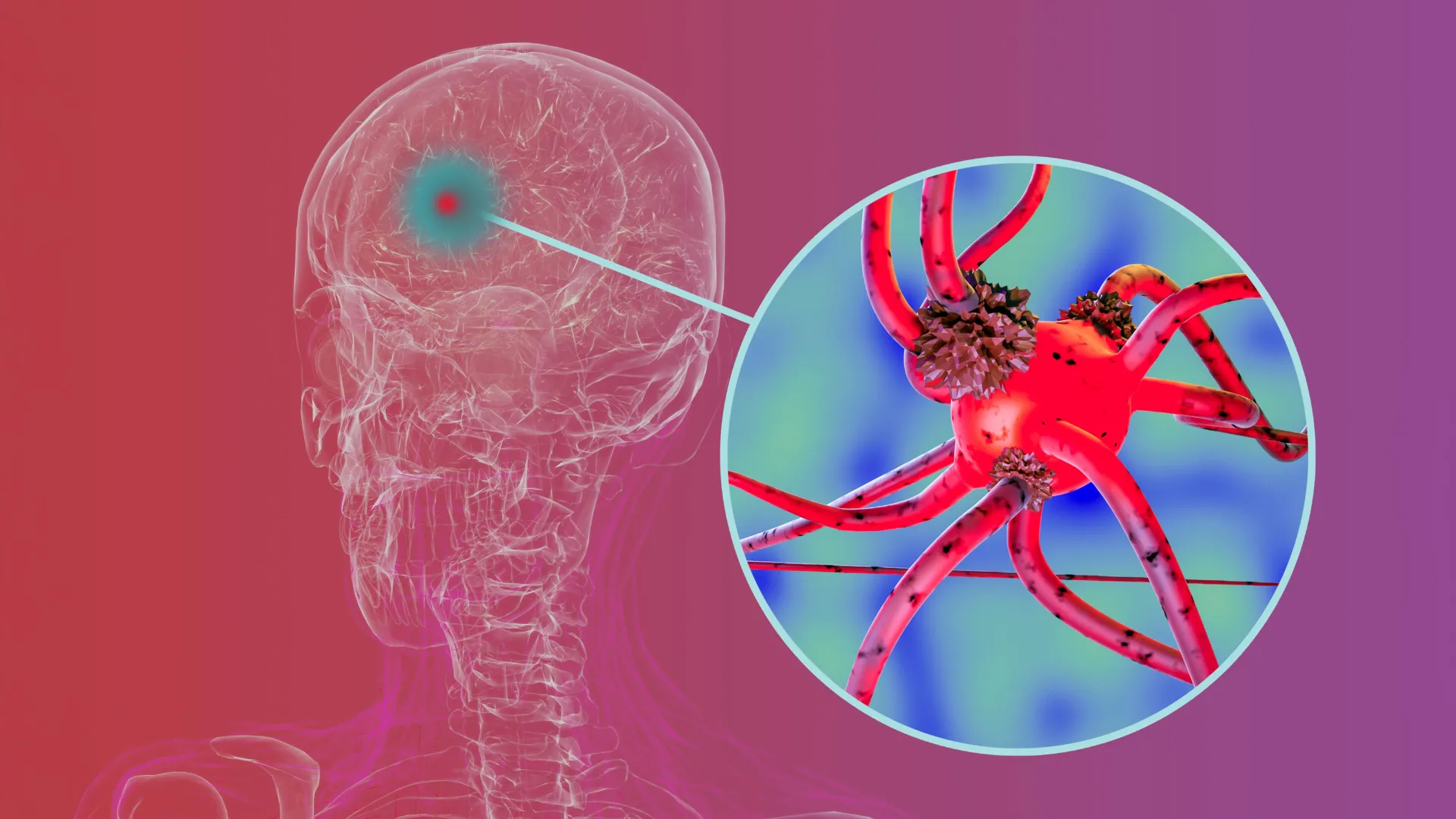 health50+
Researchers Identify Protein That May Contribute to Parkinson's Spread
Researchers have identified a protein called GPNMB that may play a role in the spread of Parkinson's disease through the brain. In experiments, blocki
Jul 16 health50+
Study Links High Meat Consumption to Lower Alzheimer’s Risk for Some Genetic Groups
A new study suggests that older adults with high-risk APOE gene variants may experience slower cognitive decline if they eat high amounts of meat. The
Jul 16