
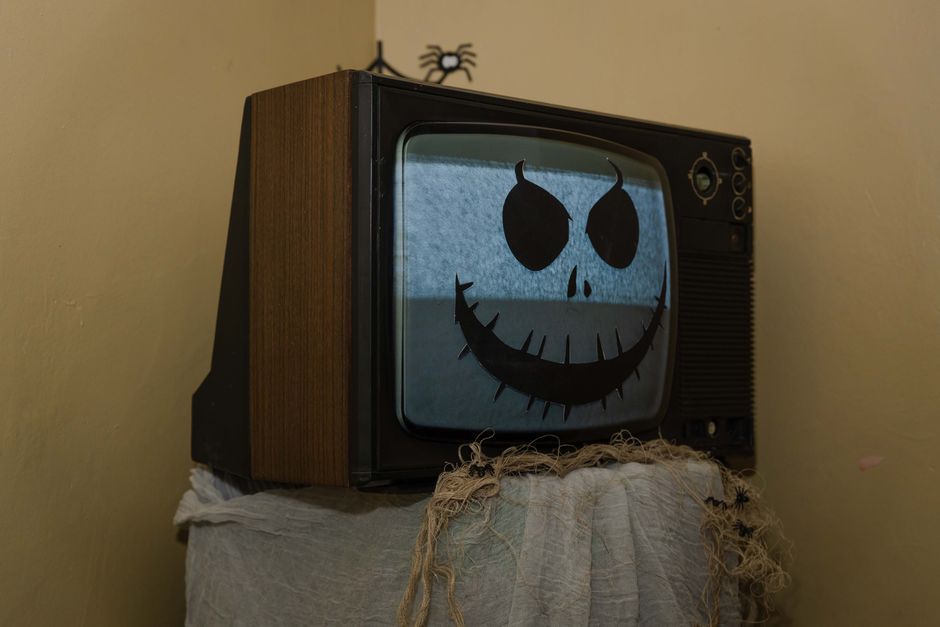
<h2>Why Saturday Mornings Mattered</h2> <p>For many people now in their early fifties, Saturday mornings in the early 1990s were a ritual. After a week of school, work, or extracurricular activities, families gathered around a television set to watch a block of animated programming. The schedule was predictable, the commercials were fewer than today’s streaming interruptions, and the shows often carried subtle lessons about friendship, responsibility, and perseverance.</p>
<h2>The Core Lineup</h2> <p>Three networks dominated the early‑90s Saturday morning lineup: NBC, CBS, and Fox. Each offered a distinct flavor that reflected both industry trends and the tastes of a generation that grew up with the first wave of cable television.</p>
<h3>NBC’s ‘TNBC’ Block</h3> <ul> <li><strong>Saved by the Bell</strong> – While not a cartoon, this teen sitcom opened the block and set a light‑hearted tone that segued into the animated series.</li> <li><strong>Teenage Mutant Ninja Turtles</strong> – The animated adaptation of the comic book and action‑figure phenomenon introduced characters who combined humor with martial‑arts action.</li> <li><strong>Chip ’n Dale: Rescue Rangers</strong> – A Disney production that paired classic characters with a detective‑style format, encouraging problem‑solving.</li> </ul>
<h3>CBS’s ‘Kids Club’ Block</h3> <ul> <li><strong>Garfield and Friends</strong> – The lazy cat’s sarcastic humor resonated with older children, while the accompanying segments kept the pacing brisk.</li> <li><strong>Aladdin</strong> – A continuation of the successful Disney film, the series offered a blend of adventure and moral lessons drawn from Middle‑Eastern folklore.</li> <li><strong>Darkwing Duck</strong> – A superhero parody that balanced slapstick comedy with more serious story arcs, teaching resilience.</li> </ul>
폭스의 '폭스 키즈' 블록
- 애니매니악스 – 다층적인 농담으로 세심한 시청자들에게 보답하는 빠른 속도의 대중문화가 담긴 버라이어티 쇼입니다.
- 배트맨: 애니메이션 시리즈 – 영화 같은 스토리텔링으로 유명한 망토를 두른 십자군을 더욱 어둡고 정교하게 해석했습니다.
- 파워레인저 – 주로 라이브 액션이지만 시리즈가 토요일 블록에 포함되면서 애니메이션과 실제 효과 사이의 시대적 교차가 강조되었습니다.
이 쇼가 지속되는 이유
각 시리즈는 단순한 슬랩스틱을 넘어선 내러티브와 매력적인 영상을 결합했습니다. 작가들은 종종 알라딘의 역사적 참고 자료나 애니매니악스의 과학적인 이야기를 통해 교육 콘텐츠를 미묘하게 통합했습니다. 종종 독창적인 악보로 구성된 이 음악은 감성적인 비트를 강화했으며 여전히 오프닝 테마를 흥얼거리고 있는 팬들의 기억 속에 남아 있습니다.
|||9월|||오늘날의 어린이를 위한 경험 재현
이제 50대 성인은 자신의 자녀에게 이러한 고전을 소개하고 싶을 수도 있습니다. 요청 시 일시 중지가 없는 하나의 연속 블록인 원래 방송 형식은 완벽하게 복제할 수 없지만 몇 가지 의도적인 단계를 통해 그 정신을 보존할 수 있습니다.
|||9월|||미니 마라톤 선별
- 원래 블록을 반영하는 단일 시리즈 또는 혼합 라인업을 선택하세요.
- 의식을 기념하기 위해 주말 아침에 구체적인 시작 시간을 설정하세요.
- 방해 제한: 휴대폰을 무음으로 설정하고, 백그라운드 앱을 끄고, 최소 45분 동안 만화가 중단 없이 실행되도록 하세요.
상황별 시금석 제공
쇼가 시작되기 전에 어렸을 때 이 에피소드를 어떻게 경험했는지 간략한 일화를 들려주세요. 예를 들어, 배트맨: 애니메이션 시리즈의 원래 방송은 대부분의 토요일 만화보다 더 어두운 톤으로 방송되었는데, 이는 보다 성숙한 스토리텔링으로의 전환을 반영합니다.
|||9월|||최신 액세스 포인트를 신중하게 사용하세요
많은 90년대 초반 시리즈가 이제 스트리밍 플랫폼에서 제공되지만 방송 순서가 아닌 프랜차이즈별로 그룹화되는 경우가 많습니다. 원래 에피소드 순서를 보존하는 컬렉션을 찾거나 토요일 아침 흐름을 모방한 개인 재생목록을 만드세요.
|||9월|||현대 미디어에 대한 유산과 영향
90년대 초반 블록은 풍자와 어린이 친화적인 콘텐츠를 혼합한 선례를 세웠습니다. 어드벤처 타임 및 스티븐 유니버스와 같은 현대 시리즈는 애니매니악스와 같은 쇼에서 소개된 서술적 복잡성에 힘입어 탄생했습니다. 이 계보를 이해하면 부모가 예술적 진화를 이해하는 데 도움이 되며 스토리텔링이 어떻게 변화했는지에 대해 자녀와 대화를 풍성하게 할 수 있습니다.
|||9월|||그리운 부모를 위한 실용적인 팁
- 한 달에 한 번 '레트로 토요일'을 계획하여 온 가족이 함께 블록을 다시 방문하세요. 시리얼 상자나 트레이딩 카드와 같은
- 오리지널 상품을 수집합니다. 이러한 촉각적 아이템은 과거와 현재 사이의 격차를 해소할 수 있습니다.
- 창의적인 놀이를 장려합니다. 도화지와 크레용을 제공하고 아이들에게 관람 후 자신이 좋아하는 캐릭터를 스케치하도록 권유합니다.
- 주제를 토론 공개적으로 하세요. 십대 시절에 가졌을 수 있는 성찰적인 토론을 반영하여 아이들에게 에피소드의 교훈이 무엇이라고 생각하는지 물어보세요.
결론
1990년대 초 토요일 아침 만화는 현재 50대에게 문화적 시금석으로 남아 있습니다. 이러한 프로그램을 다음 세대와 의도적으로 공유함으로써 부모는 연속성을 키우고, 형성 시대의 예술성을 축하하며, 한때 주말을 정의했던 화면 없는 간단한 의식을 즐길 수 있습니다.
|||9월||| 실제 IQ 평가 |||9월||| 학교 퀴즈가 아닌, 수십 년의 생활을 통해 얻은 실용적인 지능을 테스트해 보세요. |||9월||| 실제 세계 IQ를 가져보세요<h2>What Made These Shows Enduring</h2> <p>Each series combined engaging visuals with narratives that extended beyond simple slapstick. Writers often incorporated educational content subtly, whether through historical references in <em>Aladdin</em> or scientific tidbits in <em>Animaniacs</em>. The music, often original scores, reinforced emotional beats and has survived in the memory of fans who can still hum the opening themes.</p>
<h2>Recreating the Experience for Today’s Kids</h2> <p>Adults now in their 50s may wish to introduce these classics to their own children. The original broadcast format—one continuous block without on‑demand pauses—cannot be replicated perfectly, but the spirit can be preserved with a few intentional steps.</p>
<h3>Curate a Mini‑Marathon</h3> <ul> <li>Choose a single series or a mixed lineup that mirrors the original block.</li> <li>Set a specific start time on a weekend morning to honor the ritual.</li> <li>Limit interruptions: silence phones, turn off background apps, and let the cartoon run uninterrupted for at least 45 minutes.</li> </ul>
<h3>Provide Contextual Touchstones</h3> <p>Before the show begins, share a brief anecdote about how you experienced the episode as a child. For example, explain that the original broadcast of <em>Batman: The Animated Series</em> aired in a darker tone than most Saturday cartoons, reflecting a shift toward more mature storytelling.</p>
<h3>Use Modern Access Points Thoughtfully</h3> <p>Many early‑90s series are now available on streaming platforms, but they are often grouped by franchise rather than broadcast order. Seek out collections that preserve the original episode sequence, or create a personal playlist that mimics the Saturday morning flow.</p>
<h2>Legacy and Influence on Contemporary Media</h2> <p>The early‑90s block set a precedent for blending satire with child‑friendly content. Modern series such as <em>Adventure Time</em> and <em>Steven Universe</em> owe a debt to the narrative complexity introduced by shows like <em>Animaniacs</em>. Understanding this lineage helps parents appreciate the artistic evolution and can enrich conversations with their children about how storytelling has changed.</p>
<h2>Practical Tips for the Nostalgic Parent</h2> <ul> <li><strong>Schedule a ‘Retro Saturday’</strong> once a month to revisit the block with the whole family.</li> <li><strong>Collect original merchandise</strong> such as cereal boxes or trading cards; these tactile items can bridge the gap between past and present.</li> <li><strong>Encourage creative play</strong> by providing drawing paper and crayons, inviting children to sketch their favorite characters after the viewing.</li> <li><strong>Discuss themes</strong> openly; ask children what they think the moral of the episode is, mirroring the reflective discussions you may have had as a teen.</li> </ul>
<h2>Conclusion</h2> <p>The Saturday morning cartoons of the early 1990s remain a cultural touchstone for those now in their fifties. By intentionally sharing these programs with the next generation, parents can foster a sense of continuity, celebrate the artistry of a formative era, and enjoy a simple, screen‑free ritual that once defined the weekend.</p>