
Hearing Loss Often Preceded by Ringing in Ears
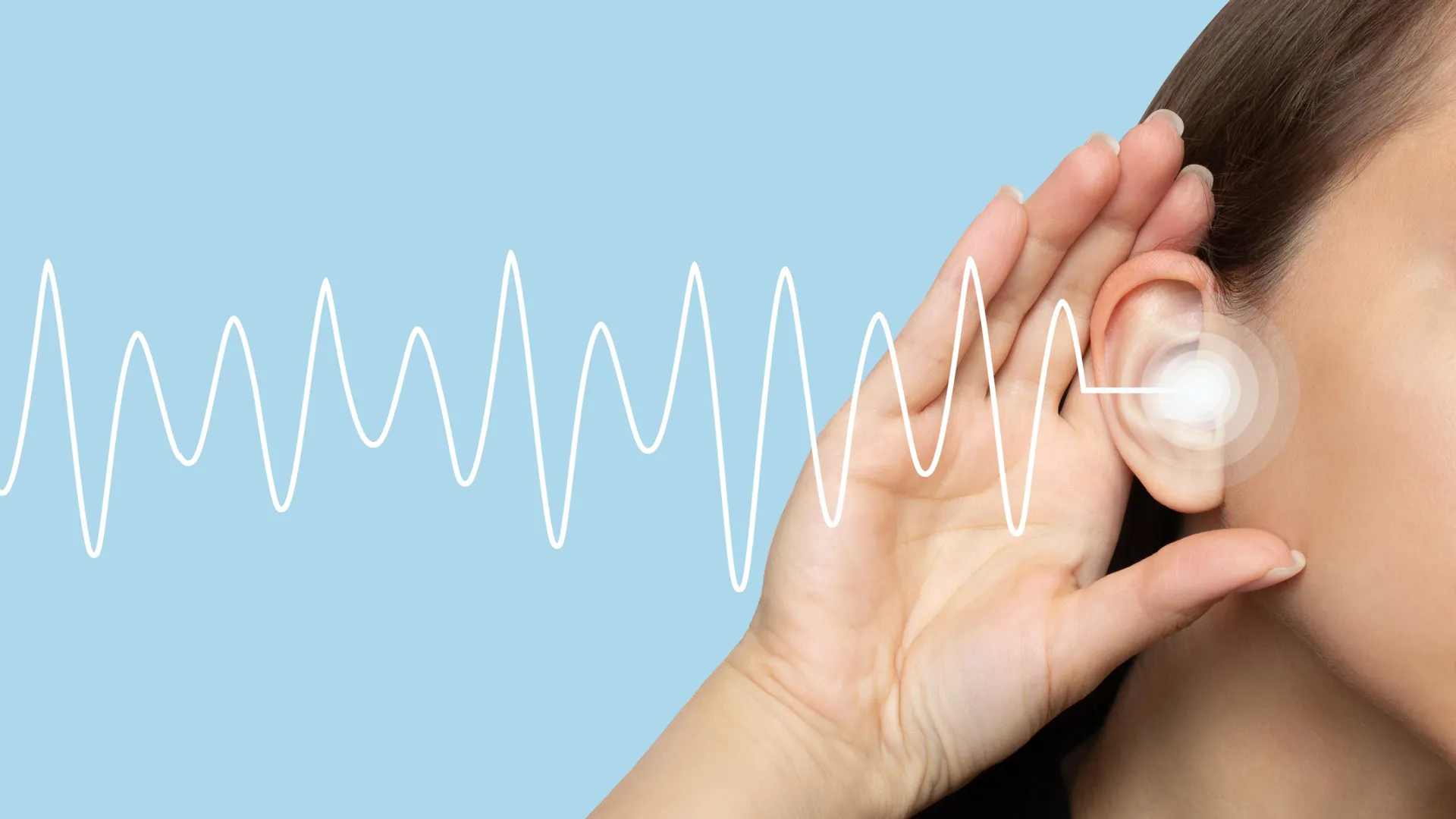
Hearing loss can start with difficulty following conversations in noisy areas, and is often accompanied by tinnitus, a ringing or buzzing in the ears. This condition can have broader effects on health, including sleep, mood, and cognitive function.
A common sign of hearing loss isn’t complete silence — it’s struggling to follow conversations, especially in noisy places. Experts say hearing loss and tinnitus, the ringing or buzzing many people experience, often start when delicate cells inside the ear become damaged from aging or long-term noise exposure.
Beyond making it harder to hear, these conditions can affect sleep, concentration, mood, and even increase the risk of falls and cognitive decline.
The effects of hearing loss can be widespread, impacting daily life and overall well-being.
It is essential for individuals experiencing symptoms of hearing loss or tinnitus to consult with a healthcare professional for proper evaluation and treatment.
Go Deeper
What are the common signs of hearing loss?
Common signs of hearing loss include struggling to follow conversations, especially in noisy places, and experiencing tinnitus, a ringing or buzzing in the ears.
What causes hearing loss and tinnitus?
Hearing loss and tinnitus are often caused by damage to delicate cells inside the ear, which can result from aging or long-term noise exposure.
How can hearing loss affect overall health?
Hearing loss can have broader effects on health, including impacting sleep, concentration, mood, and increasing the risk of falls and cognitive decline.
What should I do if I'm experiencing symptoms of hearing loss?
If you're experiencing symptoms of hearing loss, it's essential to consult with a healthcare professional for proper evaluation and treatment.
Can hearing loss be prevented?
While some hearing loss is unavoidable, taking steps to protect your ears from loud noises and getting regular hearing checks can help prevent or minimize hearing loss.
More health
 health50+
Mental Stimulation May Reduce Alzheimer's Risk
A lifetime of mental stimulation may help protect the brain as we age. People with high levels of cognitive enrichment had a lower risk of Alzheimer's
Jul 17 health50+
Researchers Identify Protein That May Contribute to Parkinson's Spread
Researchers have identified a protein called GPNMB that may play a role in the spread of Parkinson's disease through the brain. In experiments, blocki
Jul 16 health50+
Study Links High Meat Consumption to Lower Alzheimer’s Risk for Some Genetic Groups
A new study suggests that older adults with high-risk APOE gene variants may experience slower cognitive decline if they eat high amounts of meat. The
Jul 16