
Osteopenia Affects Millions of People
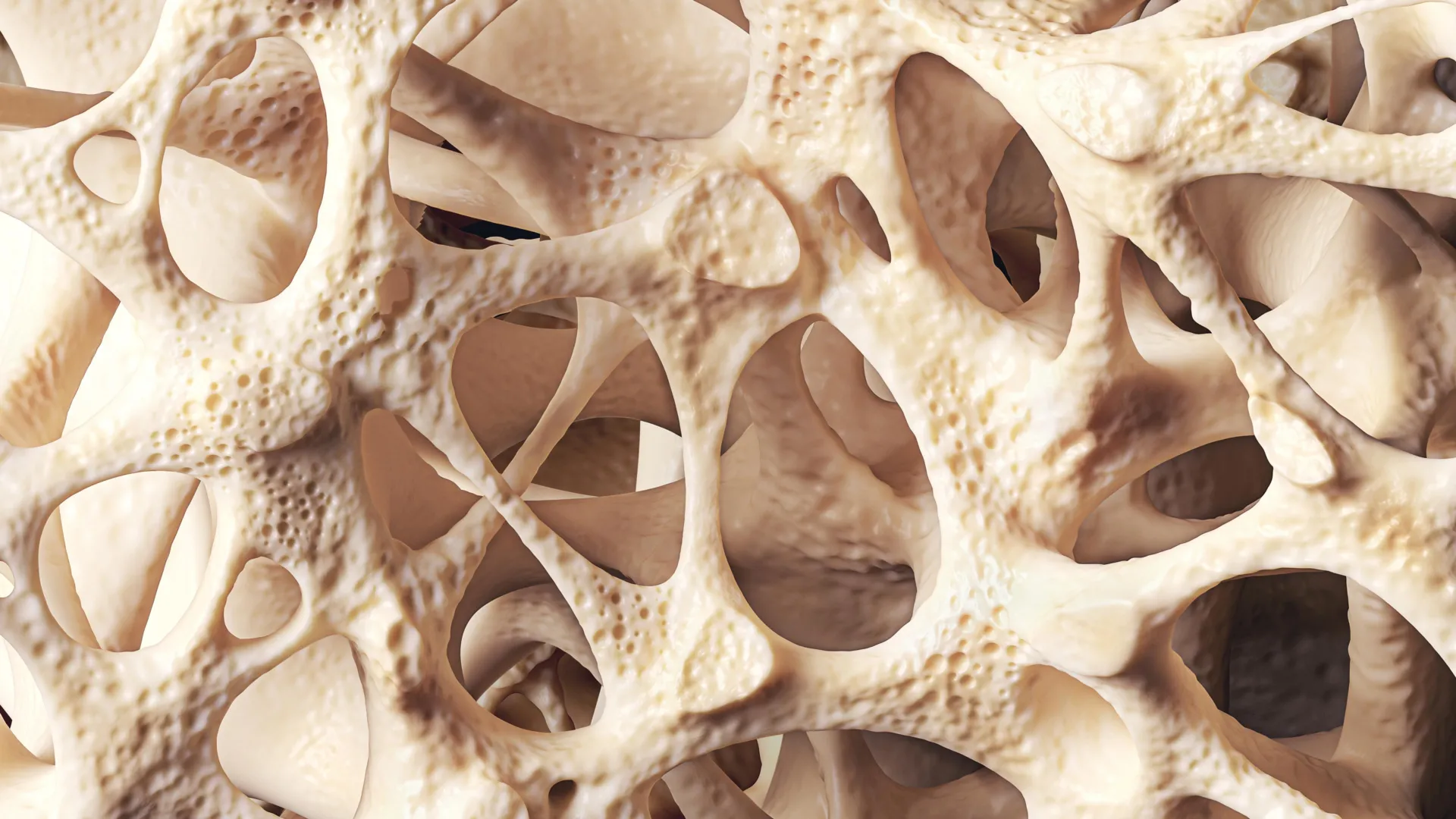
Osteopenia is a condition that causes bones to become less dense and more fragile, often going undetected until a fracture or bone scan. It can be influenced by factors such as aging, menopause, and lifestyle choices.
Osteopenia is a common condition that affects millions of people, causing bones to become less dense and more fragile over time. Because it develops silently, many people only discover they have it after a fracture or bone scan. Aging, menopause, poor diet, and inactivity can all contribute to bone loss. On the other hand, regular exercise, adequate calcium and vitamin D, and other healthy habits can slow or even partially reverse the decline. By adopting these healthy habits, individuals can reduce their risk of developing osteopenia or mitigate its effects if they already have the condition. According to general health guidelines, maintaining a balanced lifestyle is key to overall bone health. Osteopenia can have significant effects on a person's quality of life, making it essential to address the issue through a combination of medical guidance and personal effort.
Go Deeper
What is osteopenia?
Osteopenia is a condition characterized by a decrease in bone density, making bones more fragile and prone to fractures. It can be a precursor to osteoporosis, a more severe condition of bone loss.
What are the main causes of osteopenia?
The main causes of osteopenia include aging, menopause, poor diet, and inactivity. Other factors such as certain medical conditions, medications, and family history can also contribute to the development of osteopenia.
Can osteopenia be treated or reversed?
While osteopenia cannot be completely reversed, its progression can be slowed or partially reversed through a combination of regular exercise, adequate calcium and vitamin D intake, and other healthy habits. In some cases, medication may also be prescribed to help maintain bone density.
How is osteopenia diagnosed?
Osteopenia is often diagnosed using a bone density scan, which measures the density of bones in the body. This scan can help identify areas of low bone density and determine the risk of fractures.
What are the best ways to prevent osteopenia?
The best ways to prevent osteopenia include maintaining a healthy diet rich in calcium and vitamin D, engaging in regular exercise such as weight-bearing activities, and avoiding smoking and excessive alcohol consumption. Additionally, getting enough sleep and managing stress can also help support bone health.
More health
 health50+
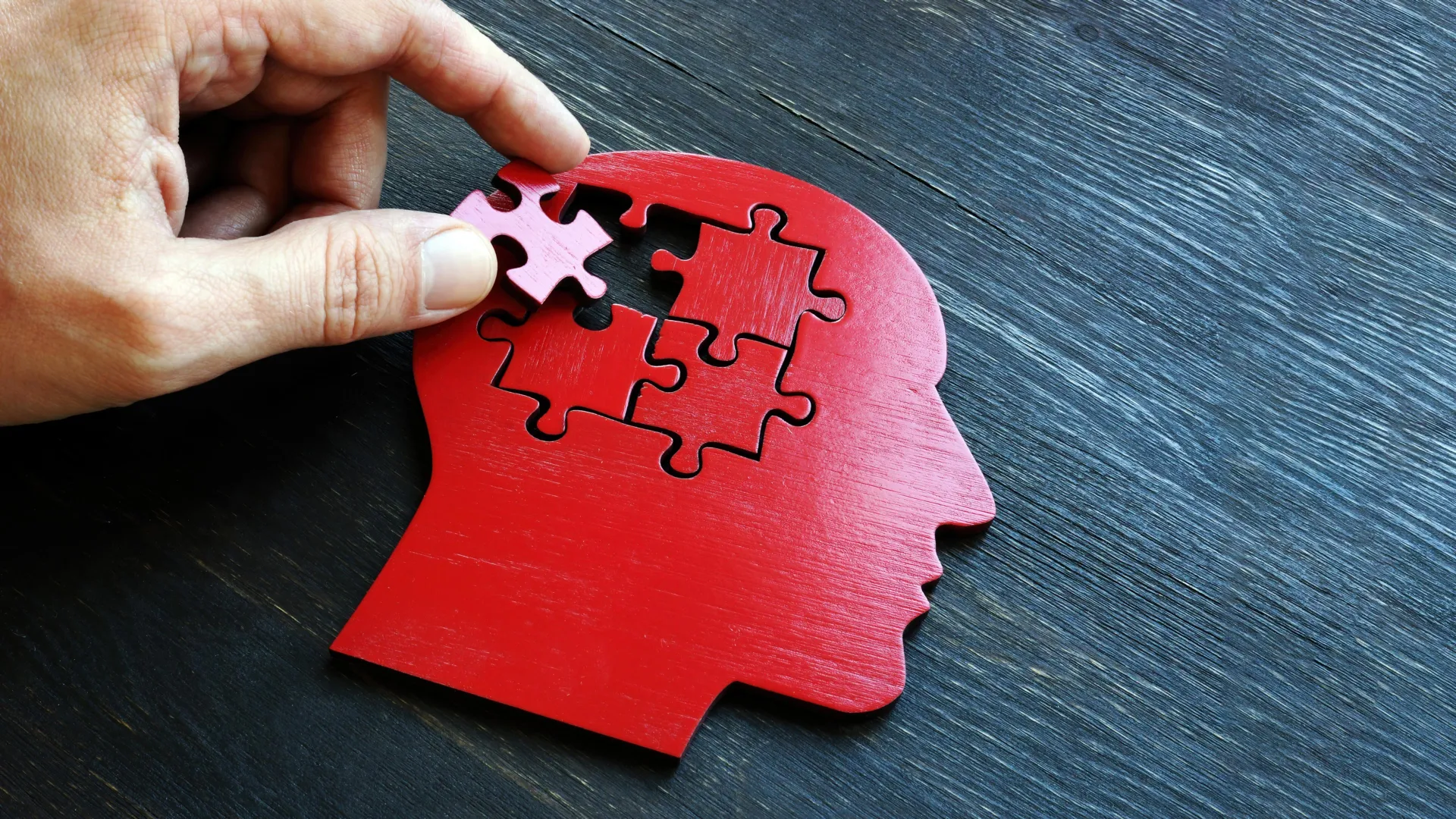
Mental Stimulation May Reduce Alzheimer's Risk
A lifetime of mental stimulation may help protect the brain as we age. People with high levels of cognitive enrichment had a lower risk of Alzheimer's
Jul 17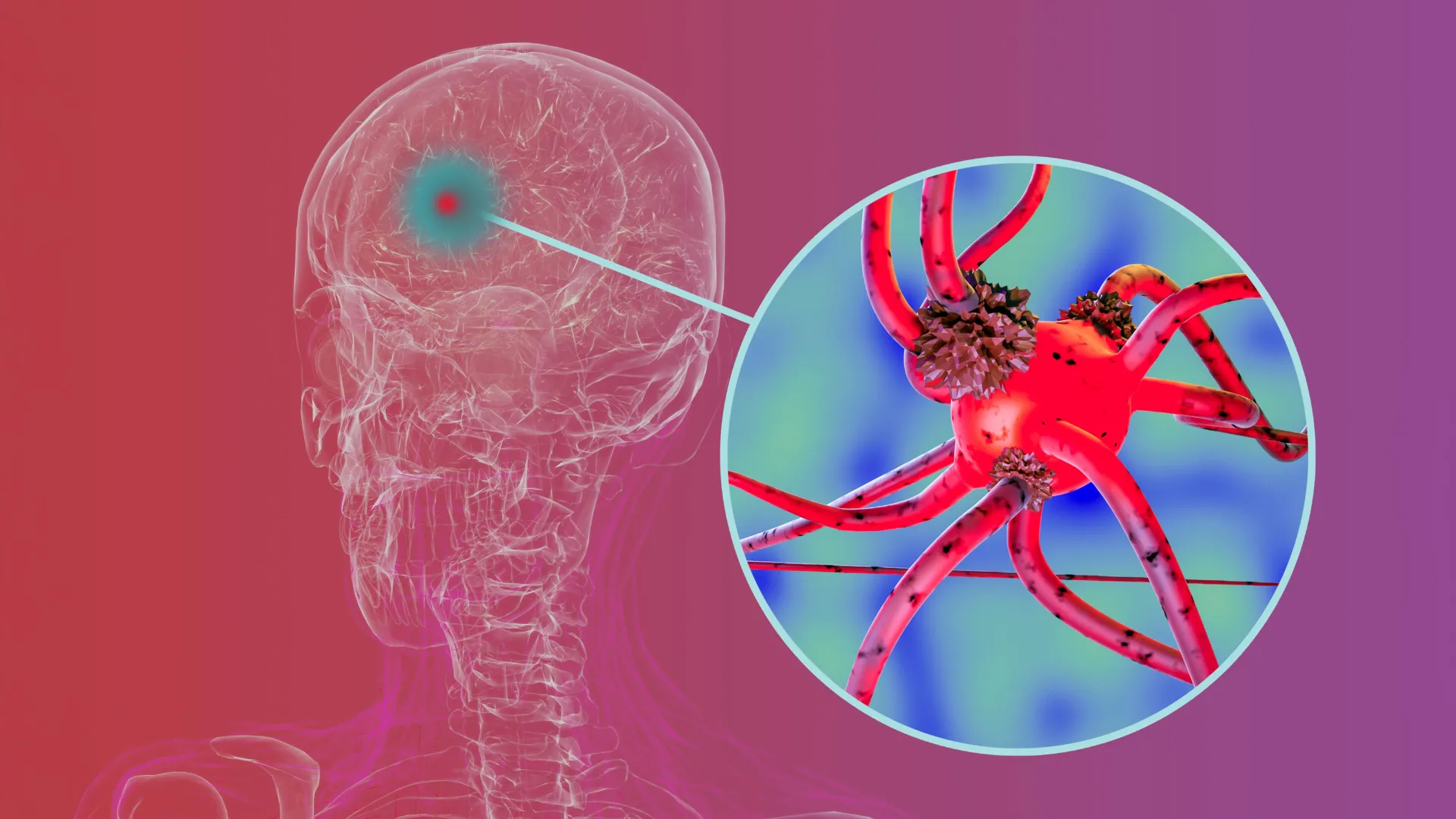 health50+
Researchers Identify Protein That May Contribute to Parkinson's Spread
Researchers have identified a protein called GPNMB that may play a role in the spread of Parkinson's disease through the brain. In experiments, blocki
Jul 16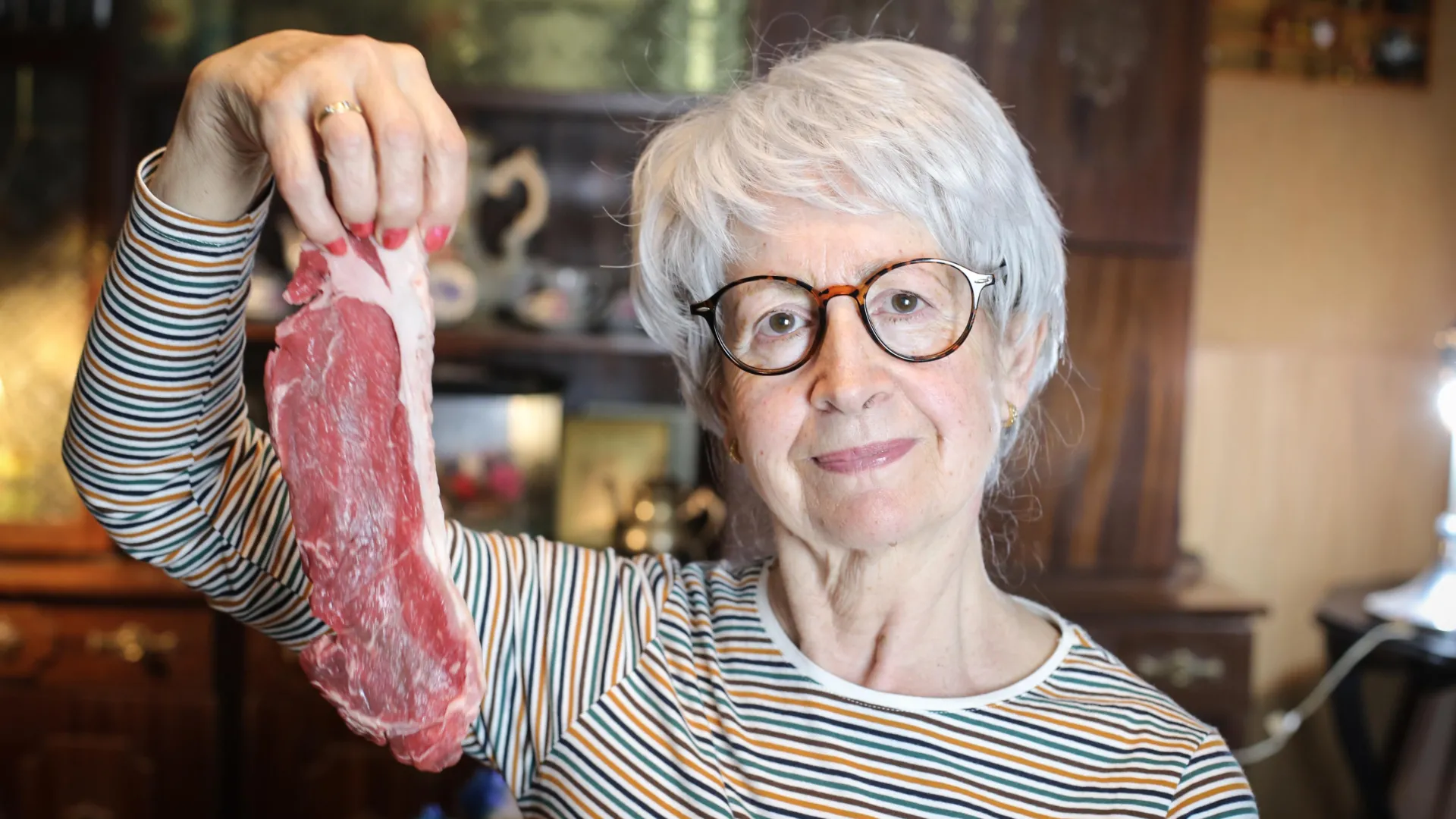 health50+
연구에서는 높은 육류 소비가 일부 유전 그룹의 알츠하이머병 위험을 낮추는 것과 관련이 있습니다 |||9월||| 새로운 연구에 따르면 고위험 APOE 유전자 변이를 가진 노인이 다량의 고기를 섭취하면 인지 저하가 느려질 수 있다고 합니다. 는 |||9월||| 50 Plus Hub는 50세 이후의 스마트한 생활을 위한 일간 신문 스타일의 포털입니다. 유용한 안내, 게임, 도구, 거래 및 일반 영어 도움말이 제공됩니다. |||9월||| 주제 |||9월||| 10년별 |||9월||| 50대에 |||9월||| 60대에 |||9월||| 70대에 |||9월||| 80 및 그 이상 |||9월||| 게임 및 도구 |||9월||| 메모리 매치 |||9월||| 리콜 체인 |||9월||| TV 밤 |||9월||| 성경 상식 |||9월||| 건강 및 웰빙 |||9월||| 의료 경고 |||9월||| 생명보험 |||9월||| 휴대폰 요금제 |||9월||| 신원 보호
A new study suggests that older adults with high-risk APOE gene variants may experience slower cognitive decline if they eat high amounts of meat. The
Jul 16