
Scientists Discover Potential Role of Hydrogen Sulfide in Alzheimer's Disease
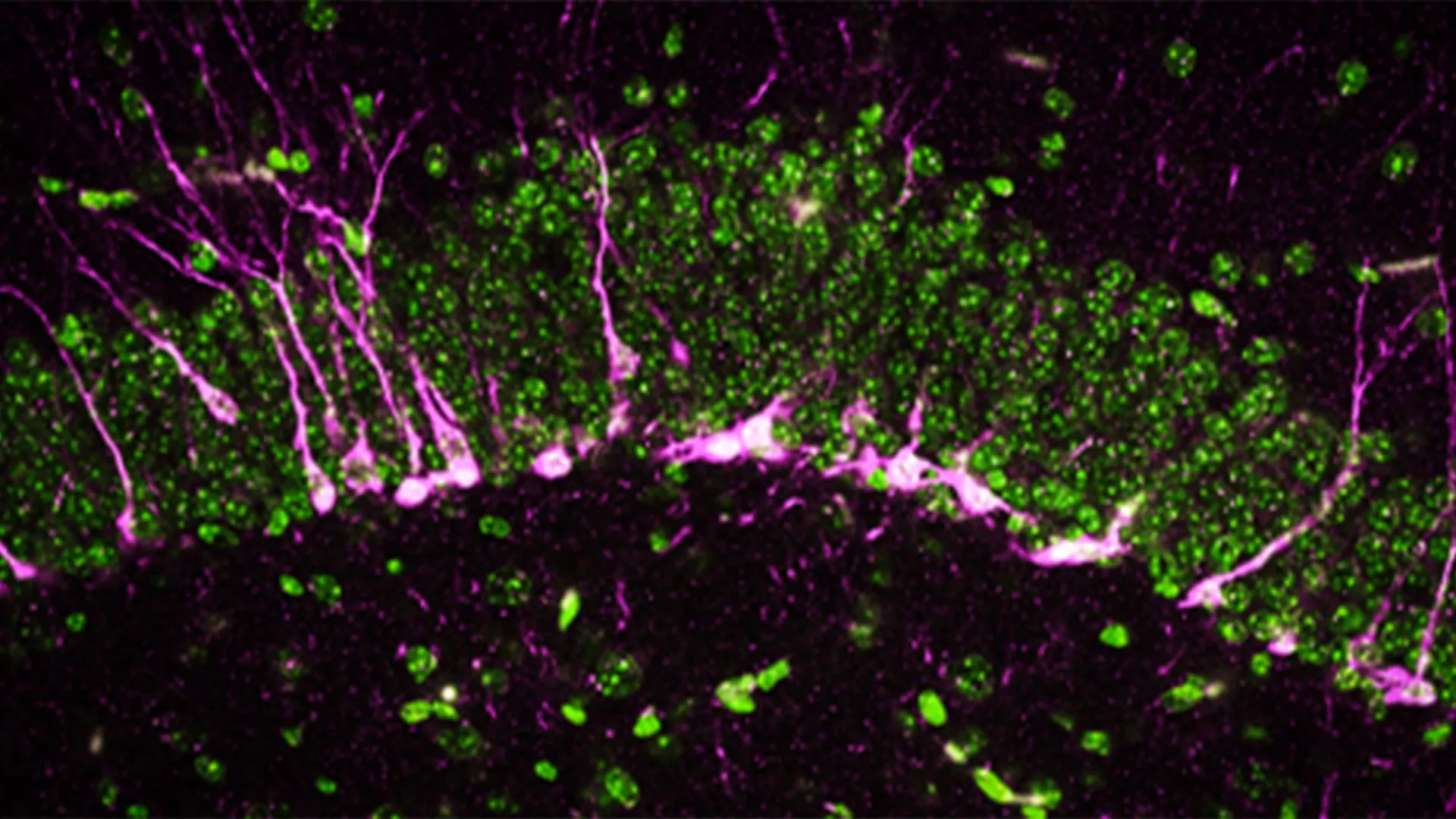
Researchers have found that a protein producing hydrogen sulfide gas in the brain may help protect brain cells and support memory. Experiments with genetically engineered mice showed that removing this protein led to memory loss and brain damage.
Scientists have made a surprising discovery in the fight against Alzheimer's disease. A protein called CSE, which helps produce tiny amounts of hydrogen sulfide gas in the brain, may play a key role in protecting brain cells and supporting memory. In experiments, genetically engineered mice without this protein developed memory loss, brain damage, and other hallmarks of Alzheimer's disease.
The findings suggest that hydrogen sulfide gas, when carefully regulated, could have a protective effect on the brain. This gas is often compared to the smell of rotten eggs, but its potential benefits in the context of Alzheimer's disease are significant. Weakened blood-brain barriers and reduced formation of new neurons were also observed in the mice without the CSE protein.
The discovery of the CSE protein's role in Alzheimer's disease is an important one, and further research is needed to fully understand its potential. However, the possibility that this gas could be used to develop new treatments for the disease is an exciting one.
Go Deeper
What is hydrogen sulfide gas?
Hydrogen sulfide gas is a chemical compound that has a strong, unpleasant smell, often compared to the smell of rotten eggs. It is naturally produced in the body and has been shown to have various biological effects.
How does the CSE protein produce hydrogen sulfide gas?
The CSE protein is an enzyme that helps convert the amino acid cysteine into hydrogen sulfide gas. This process occurs in the brain and other tissues, and the resulting gas can have various effects on the body.
What are the potential benefits of hydrogen sulfide gas in Alzheimer's disease?
The potential benefits of hydrogen sulfide gas in Alzheimer's disease include protecting brain cells, supporting memory, and reducing the formation of amyloid plaques. However, more research is needed to fully understand its effects and potential as a treatment.
How was the role of the CSE protein in Alzheimer's disease discovered?
The role of the CSE protein in Alzheimer's disease was discovered through experiments with genetically engineered mice. These mice were engineered to lack the CSE protein, and the effects on their brains and behavior were observed.
What are the next steps in researching the potential of hydrogen sulfide gas in Alzheimer's disease?
The next steps in researching the potential of hydrogen sulfide gas in Alzheimer's disease include further studies on its effects on the brain and behavior, as well as investigations into its potential as a treatment for the disease. This may involve developing drugs that target the CSE protein or hydrogen sulfide gas itself.
More health
 health50+
Mental Stimulation May Reduce Alzheimer's Risk
평생 정신적 자극을 받으면 나이가 들수록 뇌를 보호하는 데 도움이 될 수 있습니다. 인지 강화 수준이 높은 사람들은 알츠하이머 발병 위험이 낮았습니다. |||9월||| 7월 17일 |||9월||| 연구원들은 파킨슨병 확산에 기여할 수 있는 단백질을 확인했습니다 |||9월||| 연구자들은 뇌를 통한 파킨슨병 확산에 역할을 할 수 있는 GPNMB라는 단백질을 확인했습니다. 실험에서는 blocki |||9월||| 7월 16일 |||9월||| 연구에서는 높은 육류 소비가 일부 유전 그룹의 알츠하이머병 위험을 낮추는 것과 관련이 있습니다 |||9월||| 새로운 연구에 따르면 고위험 APOE 유전자 변이를 가진 노인이 다량의 고기를 섭취하면 인지 저하가 느려질 수 있다고 합니다. 는 |||9월||| 50 Plus Hub는 50세 이후의 스마트한 생활을 위한 일간 신문 스타일의 포털입니다. 유용한 안내, 게임, 도구, 거래 및 일반 영어 도움말이 제공됩니다. |||9월||| 주제 |||9월||| 10년별 |||9월||| 50대에 |||9월||| 60대에 |||9월||| 70대에 |||9월||| 80 및 그 이상 |||9월||| 게임 및 도구 |||9월||| 메모리 매치 |||9월||| 리콜 체인 |||9월||| TV 밤 |||9월||| 성경 상식 |||9월||| 건강 및 웰빙 |||9월||| 의료 경고 |||9월||| 생명 보험
Jul 17 health50+
Researchers Identify Protein That May Contribute to Parkinson's Spread
Researchers have identified a protein called GPNMB that may play a role in the spread of Parkinson's disease through the brain. In experiments, blocki
Jul 16 health50+
Study Links High Meat Consumption to Lower Alzheimer’s Risk for Some Genetic Groups
A new study suggests that older adults with high-risk APOE gene variants may experience slower cognitive decline if they eat high amounts of meat. The
Jul 16