
Study Finds Genes Account for Half of Lifespan Differences
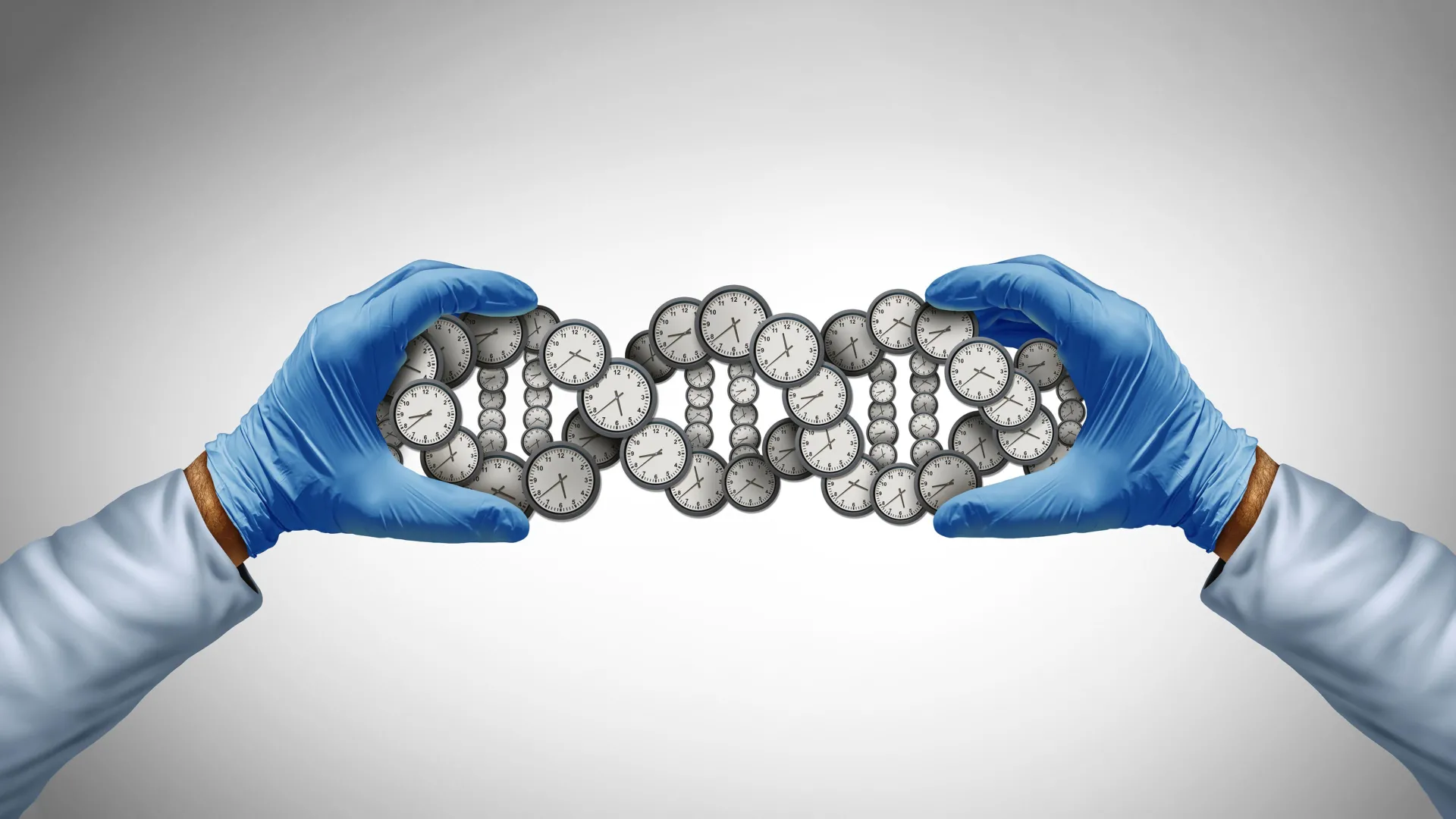
A new study from the Weizmann Institute suggests genes play a significant role in determining lifespan, accounting for about half of the differences in how long people live. The research analyzed twin datasets and used simulations to filter out external causes of death.
For years, scientists believed that environment and chance were the primary factors in determining lifespan, with genetics playing a minor role. However, a recent study from the Weizmann Institute has challenged this idea. By analyzing massive twin datasets, including twins raised apart, researchers found that genes may actually account for about half of the differences in how long people live. The study used innovative simulations to filter out deaths from accidents and other external causes, uncovering a hidden genetic influence that had been masked for decades. This new information could significantly impact our understanding of the factors that contribute to lifespan. The researchers' findings are based on a thorough analysis of the data, which revealed a substantial genetic component to lifespan. The study's results have the potential to inform future research on aging and longevity.
Go Deeper
What led scientists to previously believe environment and chance were the primary factors in determining lifespan?
Scientists previously believed environment and chance were the primary factors in determining lifespan due to the complexity of the factors involved and the limited data available at the time. However, with the advancement of technology and the collection of more data, researchers are now able to better understand the role of genetics in determining lifespan.
How did the Weizmann Institute study account for external causes of death?
The Weizmann Institute study used innovative simulations to filter out deaths from accidents and other external causes, allowing researchers to focus on the genetic factors that contribute to lifespan. This approach helped to uncover a hidden genetic influence that had been masked for decades.
What are the implications of the study's findings on our understanding of the factors that contribute to lifespan?
The study's findings suggest that genes play a significant role in determining lifespan, accounting for about half of the differences in how long people live. This new information could significantly impact our understanding of the factors that contribute to lifespan and inform future research on aging and longevity.
How did the researchers use twin datasets in their study?
The researchers analyzed massive twin datasets, including twins raised apart, to better understand the role of genetics in determining lifespan. By comparing the lifespans of identical twins raised in different environments, the researchers were able to isolate the genetic factors that contribute to lifespan.
What are the potential applications of the study's findings?
이번 연구 결과는 노화와 장수에 대한 향후 연구에 정보를 제공할 수 있는 잠재력을 갖고 있으며, 건강한 노화를 촉진하고 수명을 연장하기 위한 새로운 전략 개발로 이어질 수 있습니다. 또한, 이번 연구 결과는 유전 정보를 사용하여 개인의 고유한 유전적 프로필에 맞게 치료 및 예방 전략을 맞춤화하는 맞춤 의학 분야에 영향을 미칠 수 있습니다. |||9월||| 더 많은 건강 |||9월||| 정신 자극은 알츠하이머병 위험을 감소시킬 수 있습니다 |||9월||| 평생 정신적 자극을 받으면 나이가 들수록 뇌를 보호하는 데 도움이 될 수 있습니다. 인지 강화 수준이 높은 사람들은 알츠하이머 발병 위험이 낮았습니다. |||9월||| 7월 17일 |||9월||| 연구원들은 파킨슨병 확산에 기여할 수 있는 단백질을 확인했습니다 |||9월||| 연구자들은 뇌를 통한 파킨슨병 확산에 역할을 할 수 있는 GPNMB라는 단백질을 확인했습니다. 실험에서는 blocki |||9월||| 7월 16일 |||9월||| 연구에서는 높은 육류 소비가 일부 유전 그룹의 알츠하이머병 위험을 낮추는 것과 관련이 있습니다 |||9월||| 새로운 연구에 따르면 고위험 APOE 유전자 변이를 가진 노인이 다량의 고기를 섭취하면 인지 저하가 느려질 수 있다고 합니다. 는 |||9월||| 50 Plus Hub는 50세 이후의 스마트한 생활을 위한 일간 신문 스타일의 포털입니다. 유용한 안내, 게임, 도구, 거래 및 일반 영어 도움말이 제공됩니다. |||9월||| 주제 |||9월||| 10년별 |||9월||| 50대에 |||9월||| 60대에 |||9월||| 70대에 |||9월||| 80 및 그 이상 |||9월||| 게임 및 도구 |||9월||| 메모리 매치 |||9월||| 리콜 체인 |||9월||| TV 밤 |||9월||| 성경 상식 |||9월||| 건강 및 웰빙 |||9월||| 의료 경고 |||9월||| 생명보험 |||9월||| 휴대폰 요금제 |||9월||| 신원 보호
More health
 health50+
Mental Stimulation May Reduce Alzheimer's Risk
A lifetime of mental stimulation may help protect the brain as we age. People with high levels of cognitive enrichment had a lower risk of Alzheimer's
Jul 17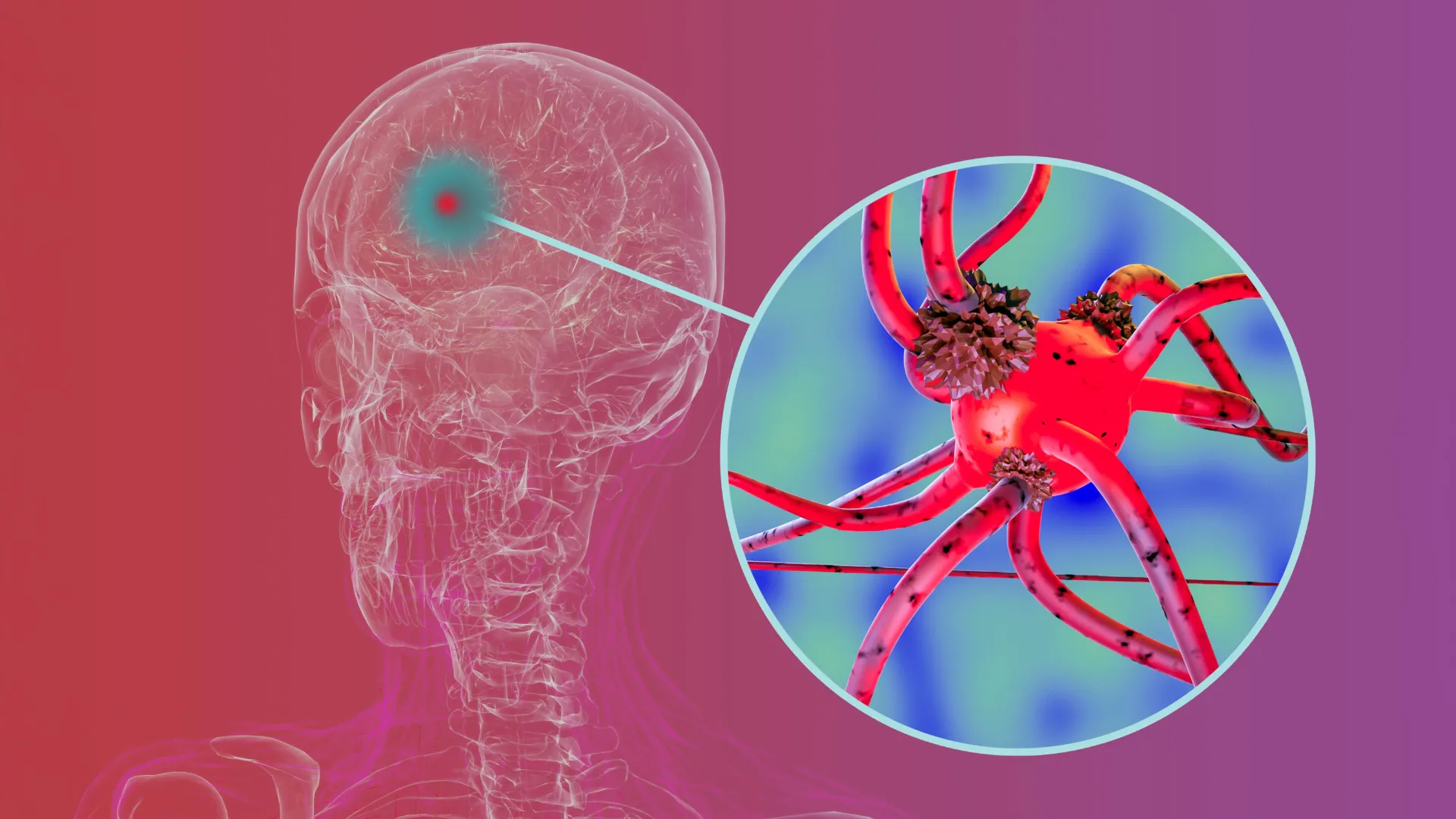 health50+
Researchers Identify Protein That May Contribute to Parkinson's Spread
Researchers have identified a protein called GPNMB that may play a role in the spread of Parkinson's disease through the brain. In experiments, blocki
Jul 16 health50+
Study Links High Meat Consumption to Lower Alzheimer’s Risk for Some Genetic Groups
A new study suggests that older adults with high-risk APOE gene variants may experience slower cognitive decline if they eat high amounts of meat. The
Jul 16