
UC San Diego Study Examines Alzheimer's Risk in Women

A new study by UC San Diego found that women may be more sensitive to common dementia risk factors. The study analyzed data from over 17,000 adults and suggests that tailored prevention strategies for women could help reduce Alzheimer's risk.
Researchers at UC San Diego have conducted a study of over 17,000 adults to investigate the link between dementia risk factors and Alzheimer's disease in women. The study found that women may be especially sensitive to the effects of common dementia risk factors. This discovery could have significant implications for the development of prevention strategies. By tailoring these strategies specifically for women, it may be possible to reduce Alzheimer's risk. The study's findings highlight the importance of considering gender differences when addressing dementia and Alzheimer's disease.
According to the researchers, the study's results suggest that a one-size-fits-all approach to prevention may not be effective. Instead, they propose that prevention strategies should be tailored to address the unique needs and risk factors of different populations, including women. This approach could lead to more effective prevention and reduction of Alzheimer's risk in women.
The study's analysis of over 17,000 adults provides valuable insights into the relationship between dementia risk factors and Alzheimer's disease in women. The researchers' findings have the potential to inform the development of targeted prevention strategies and improve health outcomes for women at risk of Alzheimer's disease.
Go Deeper
What did the UC San Diego study find about women and Alzheimer's risk?
The study found that women may be more sensitive to common dementia risk factors, which could increase their risk of developing Alzheimer's disease. This suggests that women may need tailored prevention strategies to reduce their risk.
How many adults were included in the study?
The study analyzed data from over 17,000 adults to investigate the link between dementia risk factors and Alzheimer's disease in women.
What do the researchers propose as a result of the study's findings?
The researchers propose that prevention strategies should be tailored to address the unique needs and risk factors of different populations, including women, rather than using a one-size-fits-all approach.
Why is it important to consider gender differences when addressing dementia and Alzheimer's disease?
Considering gender differences is important because women may be more sensitive to common dementia risk factors, and tailored prevention strategies could lead to more effective prevention and reduction of Alzheimer's risk in women.
What could be the potential outcome of tailoring prevention strategies for women?
Tailoring prevention strategies for women could lead to more effective prevention and reduction of Alzheimer's risk in women, ultimately improving health outcomes for this population.
More health
 health50+
정신 자극은 알츠하이머병 위험을 감소시킬 수 있습니다 |||9월||| 평생 정신적 자극을 받으면 나이가 들수록 뇌를 보호하는 데 도움이 될 수 있습니다. 인지 강화 수준이 높은 사람들은 알츠하이머 발병 위험이 낮았습니다. |||9월||| 7월 17일 |||9월||| 연구원들은 파킨슨병 확산에 기여할 수 있는 단백질을 확인했습니다 |||9월||| 연구자들은 뇌를 통한 파킨슨병 확산에 역할을 할 수 있는 GPNMB라는 단백질을 확인했습니다. 실험에서는 blocki |||9월||| 7월 16일 |||9월||| 연구에서는 높은 육류 소비가 일부 유전 그룹의 알츠하이머병 위험을 낮추는 것과 관련이 있습니다 |||9월||| 새로운 연구에 따르면 고위험 APOE 유전자 변이를 가진 노인이 다량의 고기를 섭취하면 인지 저하가 느려질 수 있다고 합니다. 는 |||9월||| 50 Plus Hub는 50세 이후의 스마트한 생활을 위한 일간 신문 스타일의 포털입니다. 유용한 안내, 게임, 도구, 거래 및 일반 영어 도움말이 제공됩니다. |||9월||| 주제 |||9월||| 10년별 |||9월||| 50대에 |||9월||| 60대에 |||9월||| 70대에 |||9월||| 80 및 그 이상 |||9월||| 게임 및 도구 |||9월||| 메모리 매치 |||9월||| 리콜 체인 |||9월||| TV 밤 |||9월||| 성경 상식 |||9월||| 건강 및 웰빙 |||9월||| 의료 경고 |||9월||| 생명 보험
A lifetime of mental stimulation may help protect the brain as we age. People with high levels of cognitive enrichment had a lower risk of Alzheimer's
Jul 17 health50+
Researchers Identify Protein That May Contribute to Parkinson's Spread
Researchers have identified a protein called GPNMB that may play a role in the spread of Parkinson's disease through the brain. In experiments, blocki
Jul 16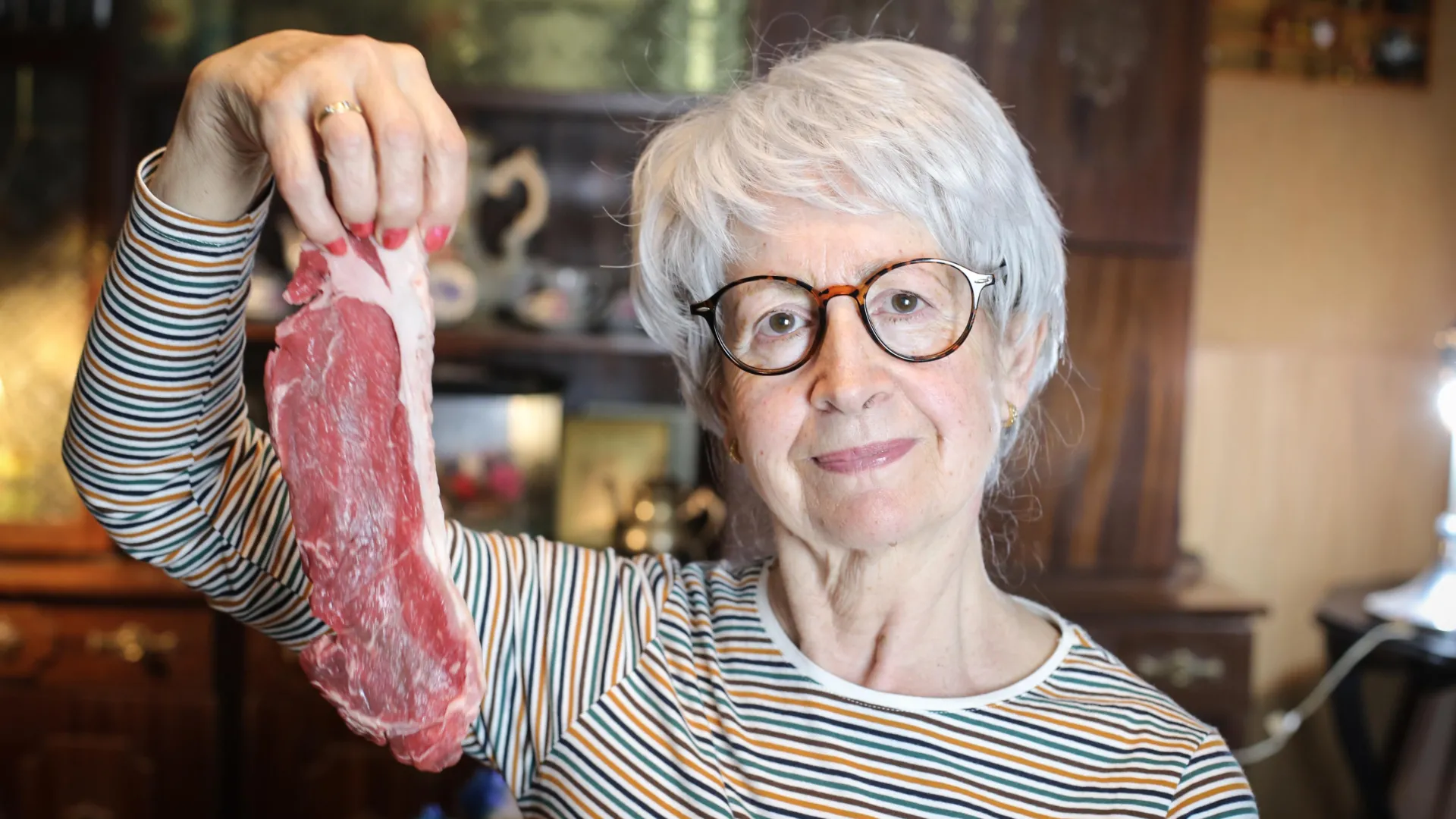 health50+
Study Links High Meat Consumption to Lower Alzheimer’s Risk for Some Genetic Groups
A new study suggests that older adults with high-risk APOE gene variants may experience slower cognitive decline if they eat high amounts of meat. The
Jul 16