
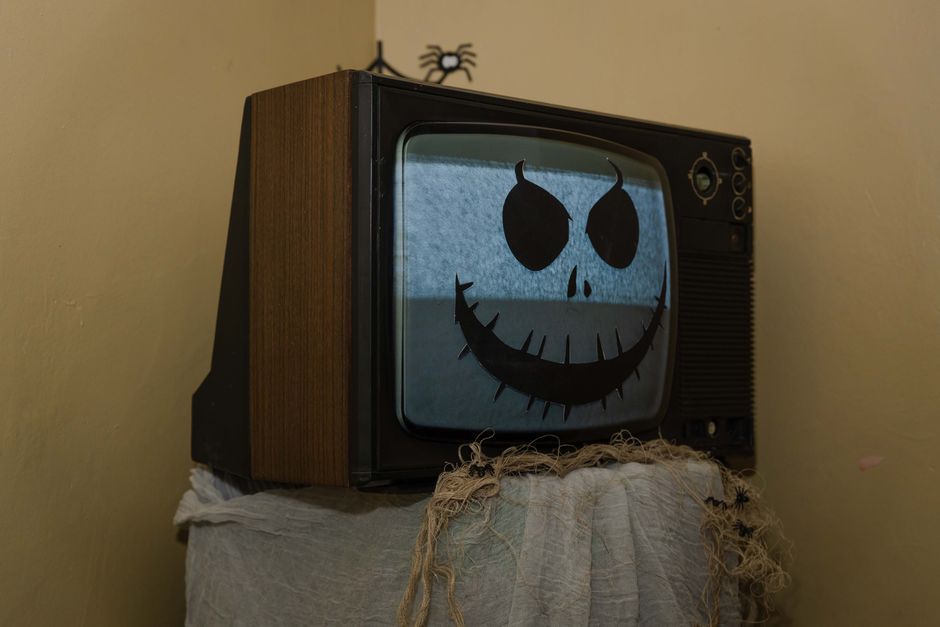
<h2>Why Saturday Mornings Mattered</h2> <p>For many people now in their early fifties, Saturday mornings in the early 1990s were a ritual. After a week of school, work, or extracurricular activities, families gathered around a television set to watch a block of animated programming. The schedule was predictable, the commercials were fewer than today’s streaming interruptions, and the shows often carried subtle lessons about friendship, responsibility, and perseverance.</p>
<h2>The Core Lineup</h2> <p>Three networks dominated the early‑90s Saturday morning lineup: NBC, CBS, and Fox. Each offered a distinct flavor that reflected both industry trends and the tastes of a generation that grew up with the first wave of cable television.</p>
<h3>NBC’s ‘TNBC’ Block</h3> <ul> <li><strong>Saved by the Bell</strong> – While not a cartoon, this teen sitcom opened the block and set a light‑hearted tone that segued into the animated series.</li> <li><strong>Teenage Mutant Ninja Turtles</strong> – The animated adaptation of the comic book and action‑figure phenomenon introduced characters who combined humor with martial‑arts action.</li> <li><strong>Chip ’n Dale: Rescue Rangers</strong> – A Disney production that paired classic characters with a detective‑style format, encouraging problem‑solving.</li> </ul>
<h3>CBS’s ‘Kids Club’ Block</h3> <ul> <li><strong>Garfield and Friends</strong> – The lazy cat’s sarcastic humor resonated with older children, while the accompanying segments kept the pacing brisk.</li> <li><strong>Aladdin</strong> – A continuation of the successful Disney film, the series offered a blend of adventure and moral lessons drawn from Middle‑Eastern folklore.</li> <li><strong>Darkwing Duck</strong> – A superhero parody that balanced slapstick comedy with more serious story arcs, teaching resilience.</li> </ul>
Bloco ‘Fox Kids’ da Fox
- Animaniacs – Um programa de variedades de ritmo acelerado e carregado de cultura pop que recompensou os espectadores atentos com piadas em camadas.
- Batman: A Série Animada – Uma versão mais sombria e sofisticada do cruzado de capa, conhecido por sua narrativa cinematográfica.
- Power Rangers – Embora seja principalmente ação ao vivo, a inclusão da série no bloco de sábado destacou o cruzamento da era entre animação e efeitos práticos.
O que tornou esses programas duradouros
Cada série combinava visuais envolventes com narrativas que iam além de uma simples palhaçada. Os escritores muitas vezes incorporavam conteúdo educacional de maneira sutil, seja por meio de referências históricas em Aladdin ou informações científicas em Animaniacs. A música, muitas vezes partituras originais, reforçou batidas emocionais e sobreviveu na memória dos fãs que ainda conseguem cantarolar os temas de abertura.
|||SET|||Recriando a experiência para as crianças de hoje
Adultos na casa dos 50 anos podem querer apresentar esses clássicos aos seus próprios filhos. O formato de transmissão original (um bloco contínuo sem pausas sob demanda) não pode ser replicado perfeitamente, mas o espírito pode ser preservado com algumas etapas intencionais.
|||SET|||Organize uma minimaratona
- Escolha uma série única ou uma programação mista que espelhe o bloco original.
- Defina um horário de início específico em uma manhã de fim de semana para homenagear o ritual.
- Limite as interrupções: silencie telefones, desative aplicativos em segundo plano e deixe o desenho rodar sem interrupções por pelo menos 45 minutos.
Forneça critérios contextuais
Antes do programa começar, conte uma breve anedota sobre como você vivenciou o episódio quando criança. Por exemplo, explique que a transmissão original de Batman: A Série Animada foi ao ar em um tom mais sombrio do que a maioria dos desenhos animados de sábado, refletindo uma mudança em direção a uma narrativa mais madura.
|||SET|||Use pontos de acesso modernos com cuidado
Muitas séries do início dos anos 90 já estão disponíveis em plataformas de streaming, mas geralmente são agrupadas por franquia, e não por ordem de transmissão. Procure coleções que preservem a sequência original dos episódios ou crie uma playlist pessoal que imite o fluxo da manhã de sábado.
|||SET|||Legado e influência na mídia contemporânea
O bloco do início dos anos 90 abriu um precedente para misturar sátira com conteúdo adequado para crianças. Séries modernas como Adventure Time e Steven Universe têm uma dívida com a complexidade narrativa introduzida por programas como Animaniacs. Compreender esta linhagem ajuda os pais a apreciar a evolução artística e pode enriquecer as conversas com os filhos sobre como a narração de histórias mudou.
|||SET|||Dicas práticas para pais nostálgicos
- Agende um ‘Sábado Retrô’ uma vez por mês para revisitar o quarteirão com toda a família.
- Colete mercadorias originais, como caixas de cereais ou cartões colecionáveis; esses itens táteis podem preencher a lacuna entre o passado e o presente.
- Incentive brincadeiras criativas fornecendo papel de desenho e giz de cera e convidando as crianças a esboçarem seus personagens favoritos após a exibição.
- Discutir temas abertamente; pergunte às crianças qual é a moral do episódio, refletindo as discussões reflexivas que você pode ter tido quando era adolescente.
Conclusão
Os desenhos animados das manhãs de sábado do início da década de 1990 continuam sendo um marco cultural para quem está na casa dos cinquenta. Ao partilhar intencionalmente estes programas com a próxima geração, os pais podem promover um sentido de continuidade, celebrar a arte de uma era formativa e desfrutar de um ritual simples e sem ecrãs que outrora definia o fim de semana.
|||SET||| Avaliação de QI do mundo real |||SET||| Teste a inteligência prática que décadas de vida lhe proporcionaram - não um teste escolar. |||SET||| Pegue o QI do mundo real<h2>What Made These Shows Enduring</h2> <p>Each series combined engaging visuals with narratives that extended beyond simple slapstick. Writers often incorporated educational content subtly, whether through historical references in <em>Aladdin</em> or scientific tidbits in <em>Animaniacs</em>. The music, often original scores, reinforced emotional beats and has survived in the memory of fans who can still hum the opening themes.</p>
<h2>Recreating the Experience for Today’s Kids</h2> <p>Adults now in their 50s may wish to introduce these classics to their own children. The original broadcast format—one continuous block without on‑demand pauses—cannot be replicated perfectly, but the spirit can be preserved with a few intentional steps.</p>
<h3>Curate a Mini‑Marathon</h3> <ul> <li>Choose a single series or a mixed lineup that mirrors the original block.</li> <li>Set a specific start time on a weekend morning to honor the ritual.</li> <li>Limit interruptions: silence phones, turn off background apps, and let the cartoon run uninterrupted for at least 45 minutes.</li> </ul>
<h3>Provide Contextual Touchstones</h3> <p>Before the show begins, share a brief anecdote about how you experienced the episode as a child. For example, explain that the original broadcast of <em>Batman: The Animated Series</em> aired in a darker tone than most Saturday cartoons, reflecting a shift toward more mature storytelling.</p>
<h3>Use Modern Access Points Thoughtfully</h3> <p>Many early‑90s series are now available on streaming platforms, but they are often grouped by franchise rather than broadcast order. Seek out collections that preserve the original episode sequence, or create a personal playlist that mimics the Saturday morning flow.</p>
<h2>Legacy and Influence on Contemporary Media</h2> <p>The early‑90s block set a precedent for blending satire with child‑friendly content. Modern series such as <em>Adventure Time</em> and <em>Steven Universe</em> owe a debt to the narrative complexity introduced by shows like <em>Animaniacs</em>. Understanding this lineage helps parents appreciate the artistic evolution and can enrich conversations with their children about how storytelling has changed.</p>
<h2>Practical Tips for the Nostalgic Parent</h2> <ul> <li><strong>Schedule a ‘Retro Saturday’</strong> once a month to revisit the block with the whole family.</li> <li><strong>Collect original merchandise</strong> such as cereal boxes or trading cards; these tactile items can bridge the gap between past and present.</li> <li><strong>Encourage creative play</strong> by providing drawing paper and crayons, inviting children to sketch their favorite characters after the viewing.</li> <li><strong>Discuss themes</strong> openly; ask children what they think the moral of the episode is, mirroring the reflective discussions you may have had as a teen.</li> </ul>
<h2>Conclusion</h2> <p>The Saturday morning cartoons of the early 1990s remain a cultural touchstone for those now in their fifties. By intentionally sharing these programs with the next generation, parents can foster a sense of continuity, celebrate the artistry of a formative era, and enjoy a simple, screen‑free ritual that once defined the weekend.</p>