Daily brief   for adults 50+ Inscreva-se AM & PM email
50 Plus HubEverything for Everyone 50+
Customize My age is in the: 50s 60s 70s 80+ Text size Idioma
Knitting
Creative & Crafts

Knitting

Cozy, portable, and deeply satisfying

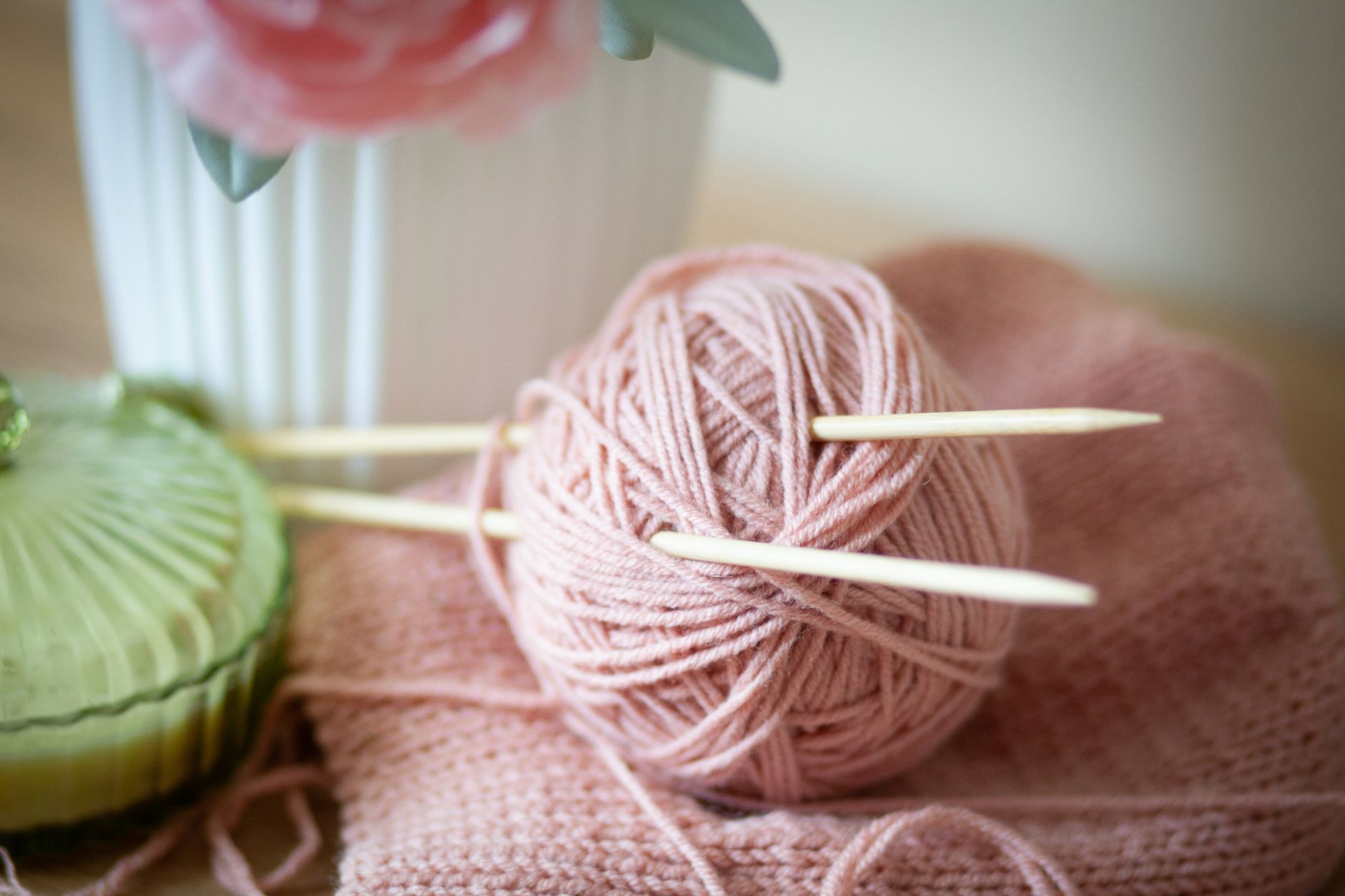
Knitting keeps the fingers nimble and gives you something warm and useful at the end. It travels well and pairs perfectly with a favorite show.

What you need to start

  • A pair of medium knitting needles
  • A skein of worsted weight yarn
  • A pair of scissors
  • A yarn needle for finishing
Your first project: Knit a simple garter stitch scarf, the classic and reliable first project.
Free printable starter checklist →

At a glance

Cost to beginAbout 20 to 35 dollars to begin
Time it takesA few rows whenever you like
Good for 50+Gentle to start, easy to love
Starter kit
Knitting needle setSoft worsted yarnBeginner knitting kitThese links go to Amazon. As an associate, 50 Plus Hub may earn from qualifying purchases at no extra cost to you.

Your learning path

Three stages, taken at your own pace. Start at the top, get comfortable, then move down as you grow. There is no rush, and no wrong place to begin.

BeginnerStart here

Never held a pair of needles? Start right here. These four walk you through casting on, the knit and purl stitches, and your very first scarf, slow and clear, so you finish something real and feel proud doing it.

Knitting Help - Long Tail Cast-On

VeryPink Knits

The KNIT STITCH for Total Beginners

Sheep & Stitch

How to PURL STITCH for Total Beginners

Sheep & Stitch

How to Knit a Scarf for Beginners Step By Step

Sheep & Stitch
Helpful gear for this stage
Beginner bamboo knitting needles setFio penteado (cor clara) |||SET||| Marcadores de pontos |||SET||| Agulhas de tapeçaria para tecer pontas |||SET||| Subir de nível |||SET||| Uma vez que o tricô e o tricô parecem naturais, eles ajudam você a ler um padrão, modelar seu trabalho com aumentos e diminuições, tricotar em círculo, fazer um chapéu de verdade e consertar com calma os escorregões que acontecem com todo mundo. |||SET||| Como ler padrões de tricô e seguir instruções escritas [para iniciantes] |||SET||| Agulhas ágeis |||SET||| Como fazer aumentos e diminuições comuns de tricô | M1R, M1L, K2TOG e SSK |||SET||| Mariana | Malhas Maymade |||SET||| COMO FAZER MALHA EM REDONDO para iniciantes (passo a passo) |||SET||| Como tricotar um chapéu em agulhas retas para iniciantes (passo a passo) |||SET||| Ajuda de tricô - Corrigindo um ponto caído |||SET||| Conjunto de agulhas de tricô circulares |||SET||| Livro de padrões de tricô para iniciantes |||SET||| Contador de linhas digital |||SET||| Conjunto de agulha de crochê para fixar pontos caídos |||SET||| Agulhas de pontas duplas |||SET||| Vá mais fundo |||SET||| Pronto para fazer heranças? Eles abordam as técnicas de exibição, cabos, rendas, Fair Isle bicolor, meias e um suéter completo, cada um dividido para que um tricotador paciente possa fazê-los com certeza. |||SET||| Tutorial em vídeo de como tricotar cabos |||SET||| Leelee Tricô |||SET||| Como tricotar renda em 3 passos fáceis - Renda para iniciantes |||SET||| Tão lanoso |||SET||| Como tricotar cores trançadas (tricô Fair Isle) |||SET||| WEBS - Loja de Fios da América |||SET||| COMO FAZER MEIAS: O guia definitivo para iniciantes em tricô de meias (tutorial passo a passo) |||SET||| tricote seu primeiro suéter! padrão gratuito e tutorial detalhado |||SET||| feito à mão por florença |||SET||| Agulhas de cabo |||SET||| Conjunto de tapete de bloqueio com pinos |||SET||| Conjunto de agulhas de tricô intercambiáveis |||SET||| Agulhas de tricô para meias |||SET||| Fios de bloqueio de renda |||SET||| Por que tricotar é maravilhoso depois dos 50 |||SET||| Tricô é um dos hobbies mais gentis que você pode ter depois dos 50 anos. O movimento constante e repetitivo mantém as mãos e os dedos flexíveis e ajuda a manter a destreza, enquanto o ritmo em si é profundamente calmante, muitos tricotadores dizem que acalma a mente da mesma forma que uma caminhada lenta e até ajuda a diminuir o estresse antes de dormir. É suave para o corpo, fácil de pegar e largar e oferece um presente final do qual você pode se orgulhar. O melhor de tudo é que é maravilhosamente social: círculos de tricô, lojas de fios e grupos online recebem calorosamente os recém-chegados, por isso trata-se tanto de boa companhia quanto de lenços aconchegantes. |||SET||| Seu primeiro mês, semana após semana |||SET||| Semana 1 |||SET||| Fique confortável segurando o fio e as agulhas. Pratique montar 20 pontos e tricotar repetidamente em fio penteado barato e de cor clara. Não se preocupe com erros, apenas mantenha as mãos em movimento até que o movimento pareça familiar. |||SET||| Semana 2 |||SET||| Aprenda o ponto purl e tricote uma pequena amostra prática em ponto jarreteira (tricote todas as carreiras). Observe a diferença entre a malha V lisa e o tricô irregular. Termine a semana praticando como arrematar para poder terminar uma peça. |||SET||| Semana 3 |||SET||| Comece seu primeiro projeto real: um lenço simples em ponto jarreteira. Monte, deslize o primeiro ponto de cada carreira para deixar as bordas bem cuidadas e tricote um pouco todos os dias. É aqui que o ritmo relaxante realmente se instala. |||SET||| Semana 4 |||SET||| Finalize e arremate o lenço, depois teça as pontas soltas com uma agulha de tapeçaria. Experimente combinar malhas e purls em uma linha (como uma costela) para se preparar para chapéus e padrões. Comemore, agora você é um tricotador. |||SET||| Erros comuns a evitar |||SET||| Montar com muita força, o que torna a primeira carreira quase impossível de tricotar. Monte sobre duas agulhas unidas ou em uma agulha um ou dois tamanhos maiores e deslize-a para fora. Mantenha os pontos soltos o suficiente para deslizarem facilmente. |||SET||| Adicionando pontos acidentalmente para que suas linhas fiquem cada vez mais largas. Isso geralmente significa que você enrolou o fio na agulha e contou-o como um ponto ou tricotou na abertura. Conte seus pontos no final de cada linha até que se torne uma segunda natureza. |||SET||| Pontos caídos que escorrem e deixam um buraco ou escada. Pare e fique calmo. Use uma agulha de crochê para pegar o laço solto e puxe cada degrau da escada, trabalhando de volta até a agulha. Colocar um marcador de ponto ou alfinete de segurança em um ponto caído evita que ele avance mais.Stitch markersTapestry needles for weaving in endsThese links go to Amazon. As an associate, 50 Plus Hub may earn from qualifying purchases at no extra cost to you.
IntermediateLevel up

Once the knit and purl feel natural, these help you read a pattern, shape your work with increases and decreases, knit around in a circle, make a real hat, and calmly fix the slips that happen to everyone.

How to read knitting patterns and follow written instructions [for beginners]

NimbleNeedles

How to Do Common Knitting Increases and Decreases | M1R, M1L, K2TOG & SSK

Marianne | Maymade Knits

HOW TO KNIT IN THE ROUND for Beginners (Step-by-Step)

Sheep & Stitch

How to KNIT A HAT on STRAIGHT NEEDLES for Beginners (Step-by Step)

Sheep & Stitch

Knitting Help - Correcting a Dropped Stitch

VeryPink Knits
Helpful gear for this stage
Circular knitting needles setBeginner knitting pattern bookDigital row counterCrochet hook set for fixing dropped stitchesDouble-pointed needlesThese links go to Amazon. As an associate, 50 Plus Hub may earn from qualifying purchases at no extra cost to you.
AdvancedGo deeper

Ready to make heirlooms? These tackle the showpiece techniques, cables, lace, two-color Fair Isle, socks, and a full sweater, each broken down so a patient knitter can absolutely do them.

How to Knit Cables Video Tutorial

Leelee Knits

How to knit lace in 3 easy steps - Lace for beginners

So Woolly

How to Knit Stranded Colorwork (Fair Isle Knitting)

WEBS - America's Yarn Store

HOW TO KNIT SOCKS: The Ultimate Beginner Guide to Sock Knitting (Step-by-Step Tutorial)

Sheep & Stitch

knit your first sweater! free pattern & detailed tutorial

handmade by florence
Helpful gear for this stage
Cable needlesBlocking mat set with pinsInterchangeable knitting needle setSock knitting needlesLace blocking wiresThese links go to Amazon. As an associate, 50 Plus Hub may earn from qualifying purchases at no extra cost to you.

Why knitting is wonderful after 50

Knitting is one of the kindest hobbies you can give yourself after 50. The steady, repeating motion keeps your hands and fingers limber and helps maintain dexterity, while the rhythm itself is deeply calming, many knitters say it quiets the mind the way a slow walk does and even helps lower stress before bed. It is gentle on the body, easy to pick up and put down, and gives you a finished gift to be proud of. Best of all, it is wonderfully social: knitting circles, yarn shops, and online groups welcome newcomers warmly, so it is just as much about good company as it is about cozy scarves.

Your first month, week by week

Week 1

Get comfortable holding the yarn and needles. Practice casting on 20 stitches and the knit stitch over and over on cheap, light-colored worsted yarn. Do not worry about mistakes, just keep your hands moving until the motion feels familiar.

Week 2

Learn the purl stitch and knit a small practice swatch in garter stitch (knit every row). Notice the difference between the smooth knit V and the bumpy purl. End the week by practicing how to bind off so you can finish a piece.

Week 3

Start your first real project: a simple garter-stitch scarf. Cast on, slip the first stitch of each row for tidy edges, and knit a little every day. This is where the relaxing rhythm really sets in.

Week 4

Finish and bind off your scarf, then weave in the loose ends with a tapestry needle. Try combining knits and purls in one row (like a rib) to prepare for hats and patterns. Celebrate, you are now a knitter.

Common mistakes to avoid

  • Casting on too tightly, which makes the first row almost impossible to knit. Cast on over two needles held together, or onto a needle one or two sizes larger, then slide it out. Keep your stitches loose enough to slide easily.
  • Accidentally adding stitches so your rows keep getting wider. This usually means you wrapped the yarn over the needle and counted it as a stitch, or knit into the gap. Count your stitches at the end of every row until it becomes second nature.
  • Dropped stitches that run down and leave a hole or ladder. Stop and stay calm. Use a crochet hook to catch the loose loop and pull each ladder rung through, working back up to the needle. Putting a stitch marker or safety pin in a dropped stitch keeps it from running further.
  • Fios acidentais que criam buracos indesejados nos ilhós. Certifique-se de que o fio de trabalho fique atrás da agulha para um ponto tricô e na frente para um ponto tricô. Se você vir um laço extra que não seja um ponto real, retire-o da agulha antes de tricotá-lo. |||SET||| Tensão irregular e irregular onde alguns pontos estão apertados e outros soltos. A tensão se equilibra com a prática, então não busque a perfeição tão cedo. Relaxe a pegada, mantenha um ritmo uniforme e evite puxar o fio após cada ponto. |||SET||| Dividir o fio para que o ponto fique confuso e desgastado. Use agulhas com ponta levemente arredondada para fios dobrados, diminua a velocidade e insira a agulha de forma limpa em todo o laço, em vez de no meio dos fios. |||SET||| Torne mais fácil para o seu corpo |||SET||| Maneiras simples de manter o tricô confortável e seguro com artrite, visão subnormal ou mobilidade limitada. |||SET||| Mãos doloridas ou com artrite segurando finas agulhas de metal. Mude para agulhas leves de bambu ou madeira, que são mais quentes, menos escorregadias e muito mais suaves nas juntas. As agulhas de perfil quadrado (ergonômicas) ficam mais confortáveis ​​em dedos rígidos do que as redondas. |||SET||| Fadiga das mãos devido a sessões longas e fios finos. Use agulhas maiores com fios grossos ou volumosos para que cada ponto conte mais e o projeto cresça rapidamente com menos movimentos. Faça uma pequena pausa para alongamento a cada 20 a 30 minutos. |||SET||| Dificuldade em ver fios escuros ou finos e pontos pequenos. Escolha um fio liso e de cor clara com uma gramatura mais grossa, trabalhe perto de uma lâmpada brilhante e adicione uma lupa de encaixe ou de suporte com luz própria para ampliar os pontos. |||SET||| Perder o lugar ao contar linhas é cansativo. Use um contador de linhas (um contador de cliques ou um aplicativo de telefone) e coloque marcadores de pontos a cada 10 ou 20 pontos para que você possa verificar sua contagem rapidamente, em vez de recontar a linha inteira. |||SET||| Tensão no pescoço, nas costas ou nos ombros por se inclinar sobre o trabalho. Tricote em uma cadeira de apoio com braços, recoste-se com boa postura e apoie os cotovelos em um travesseiro ou nos braços da cadeira. Traga o trabalho até você, em vez de se concentrar nele. |||SET||| Agulhas escorregando ou sendo difíceis de segurar. Experimente agulhas circulares mesmo para tricô plano, o peso do projeto fica no seu colo e não nos pulsos. Tubos de espuma ou cabos de lápis colocados em agulhas retas facilitam o manuseio das mãos com artrite. |||SET||| Palavras que você ouvirá |||SET||| Iniciar |||SET||| Coloque a primeira linha de laços na agulha para iniciar um projeto. O lançamento de cauda longa é o método inicial mais comum. |||SET||| Arrematar (arrematar) |||SET||| Prendendo a última carreira para que os pontos não se desfiem quando o trabalho sair das agulhas, criando uma borda acabada. |||SET||| Ponto tricotado |||SET||| O ponto mais básico, feito puxando uma laçada pela frente. Trabalhado em todas as carreiras, forma um ponto jarreteira elástico e irregular. |||SET||| Ponto purl |||SET||| O reverso do ponto tricô, feito puxando uma laçada pelas costas com o fio na frente. Isso cria uma pequena protuberância no lado voltado para você. |||SET||| Medidor |||SET||| Quantos pontos e carreiras cabem em um centímetro do seu tricô. Combinar a medida em um padrão é o que faz uma roupa sair do tamanho certo. |||SET||| Meia |||SET||| O tecido liso feito tricotando uma carreira e tricotando a seguinte, formando colunas perfeitas em formato de V na frente e saliências nas costas. |||SET||| Onde encontrar seu pessoal |||SET||| Lojas de fios locais (LYS). Estas pequenas lojas são o coração do mundo do tricô. A maioria oferece sessões e aulas de sentar e tricotar gratuitas ou de baixo custo, onde a equipe ajuda os iniciantes com prazer e você pode espremer o fio antes de comprar. |||SET||| Ravelry. com. Uma comunidade on-line gratuita e uma biblioteca de padrões para tricoteiras e crocheteiras, com milhões de padrões, além de fóruns e grupos para todos os interesses, níveis de habilidade e regiões. |||SET||| Grupos de centros para idosos e centros comunitários. Muitos centros comunitários e para idosos realizam círculos semanais de tricô ou de 'tricotar e conversar'. Eles são amigáveis, gratuitos e uma ótima maneira de conhecer pessoas próximas que compartilham o hobby. |||SET||| Noites de tricô da biblioteca. As bibliotecas públicas costumam oferecer noites gratuitas de artesanato e tricô, abertas a todas as idades e habilidades. Consulte o calendário de eventos ou pergunte na recepção, não é necessária experiência. |||SET||| YouTube e comunidades online. Canais como VeryPink Knits e Sheep & Stitch oferecem inúmeras lições gratuitas que você pode pausar e reproduzir, enquanto grupos e fóruns do Facebook permitem que você faça perguntas e compartilhe suas peças finalizadas a qualquer momento.
  • Uneven, lumpy tension where some stitches are tight and others loose. Tension evens out with practice, so do not chase perfection early. Relax your grip, keep an even pace, and avoid yanking the yarn after each stitch.
  • Splitting the yarn so the stitch looks fuzzy and frayed. Use needles with a slightly rounded tip for plied yarn, slow down, and insert the needle cleanly through the whole loop rather than through the middle of the strands.

Make it easier on your body

Simple ways to keep knitting comfortable and safe with arthritis, low vision, or limited mobility.

  • Sore or arthritic hands gripping thin metal needles. Switch to lightweight bamboo or wood needles, which are warmer, less slippery, and far gentler on the joints. Square-profile (ergonomic) needles rest more comfortably in stiff fingers than round ones.
  • Hand fatigue from long sessions and fine yarn. Use larger needles with chunky or bulky yarn so each stitch counts for more and a project grows fast with fewer movements. Take a short stretch break every 20 to 30 minutes.
  • Trouble seeing dark or thin yarn and small stitches. Choose light-colored, smooth yarn in a thicker weight, work near a bright daylight lamp, and add a clip-on or stand magnifier with its own light to enlarge the stitches.
  • Losing your place when counting rows is tiring. Use a row counter (a click counter or a phone app) and place stitch markers every 10 or 20 stitches so you can check your count at a glance instead of recounting the whole row.
  • Neck, back, or shoulder strain from leaning over your work. Knit in a supportive chair with arms, sit back with good posture, and rest your elbows on a pillow or the chair arms. Bring the work up to you rather than hunching down to it.
  • Needles slipping out or being hard to hold steady. Try circular needles even for flat knitting, the weight of the project rests in your lap instead of on your wrists. Foam tubing or pencil grips slipped onto straight needles give arthritic hands an easier hold.

Words you'll hear

Cast on
Putting the first row of loops onto your needle to begin a project. The long-tail cast on is the most common starting method.
Bind off (cast off)
Securing the last row so the stitches cannot unravel when the work comes off the needles, creating a finished edge.
Knit stitch
The most basic stitch, made by pulling a loop through the front. Worked every row, it makes the bumpy, stretchy garter stitch.
Purl stitch
The reverse of the knit stitch, made by pulling a loop through the back with the yarn in front. It creates a little bump on the side facing you.
Gauge
How many stitches and rows fit in an inch of your knitting. Matching the gauge in a pattern is what makes a garment come out the right size.
Stockinette
The smooth fabric made by knitting one row and purling the next, giving neat columns of V shapes on the front and bumps on the back.

Where to find your people

  • Local yarn shops (LYS). These small stores are the heart of the knitting world. Most host free or low-cost sit-and-knit sessions and classes where staff happily help beginners and you can squeeze the yarn before you buy.
  • Ravelry.com. A free online community and pattern library for knitters and crocheters, with millions of patterns plus forums and groups for every interest, skill level, and region.
  • Senior center and community center groups. Many senior and community centers run weekly knitting or 'knit and natter' circles. They are friendly, free, and a wonderful way to meet people nearby who share the hobby.
  • Library knit nights. Public libraries often host free craft and knitting evenings open to all ages and abilities. Check the events calendar or ask at the desk, no experience required.
  • YouTube and online communities. Channels like VeryPink Knits and Sheep & Stitch offer endless free lessons you can pause and replay, while Facebook groups and forums let you ask questions and share your finished pieces anytime.

More in Creative & Crafts

← All hobbies