Tai Chi
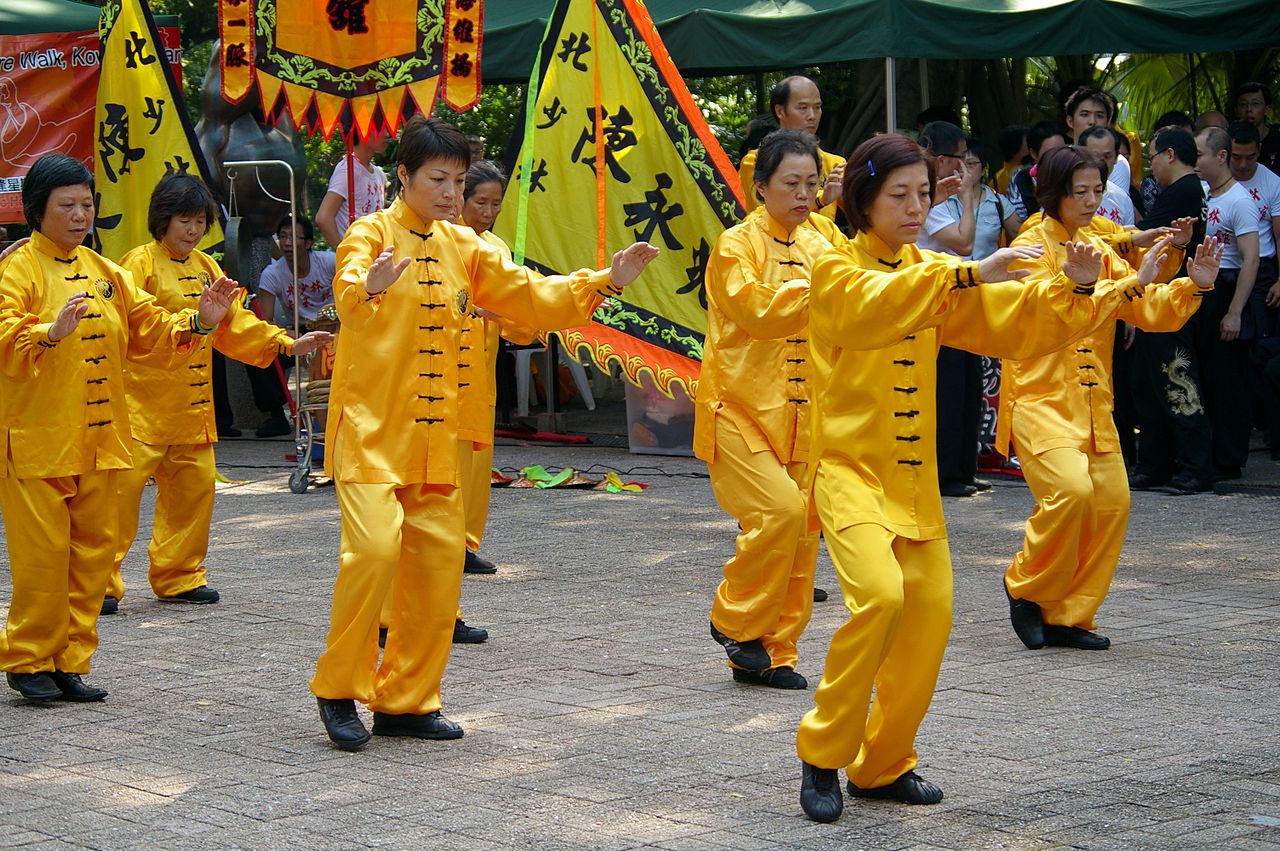
Tai Chi is a slow, graceful practice often called meditation in motion. It is one of the gentlest, most joint-friendly ways for older adults to build balance, ease stress, and stay steady on your feet.
What you need to start
- Comfortable, loose clothing you can move in
- Flat flexible shoes or a non-slip surface to go barefoot
- A few feet of open floor space
- A sturdy chair or wall nearby for balance support
At a glance
Your learning path
Three stages, taken at your own pace. Start at the top, get comfortable, then move down as you grow. There is no rush, and no wrong place to begin.
Begin right here. These four gentle videos introduce Tai Chi for seniors and beginners, ease you in with breathing and warm-up, teach the basic stances and how to shift your weight, and give you a short, simple sequence to follow along with. Go slowly and breathe.
TAI CHI 20 mins for SENIORS & BEGINNERS #taichi #taichiforseniors #taichiforbeginners
Freshfield Fitness TAI CHI ACTIVETai Chi 5 Minutes a Day Module 01 - Easy for Beginners - the Wave and Embracing the Moon
TaiflowUPDATED: Module 01b - Embrace the Moon, Hug the Tree, The Wave, Sink the Qi
TaiflowTai Chi 5 min a Day module 02 - Easy for Beginners - Cloud Hands and Single Whip
TaiflowOnce the basics feel comfortable, these five build real flow and steadiness: a friendly beginner short form designed for arthritis, smooth flowing transitions between moves, a longer follow-along routine, calming standing meditation, and gentle balance and coordination work. Practice a little and often.
Tai Chi for Arthritis Video | Dr Paul Lam | Free Lesson and Introduction
Dr Paul Lam - Tai Chi ProductionsTai chi 5 Minutes a Day Module 03 - Part the Horses Mane - Double Spiral - extra silent
TaiflowTai Chi for Beginners - 20 Min Tai Chi Chuan Routine!
Kung Fu & Tai Chi Center w/ Jake MaceStanding Meditation (Zhan Zhuang) Follow-Along | Boost Your Tai Chi Power and Energy
Internal Tai ChiTai Chi for Arthritis (Part 2) Video | Dr Paul Lam | Free Lesson and Introduction
Dr Paul Lam - Tai Chi ProductionsWhen you are ready to deepen your practice, these five open new doors: the classic 24-form Yang style, refining your posture and alignment with verbal cues, deeper qigong with the Eight Brocades, the basics of push hands with a partner, and the guiding principles of relaxation and flow that make Tai Chi feel effortless.
24 Yang Style Tai Chi Form | Full Beginner Instruction
BodyWisdomTai Chi Yang Style 24 Form | Full Set Back View with Verbal Cues
Jenny Lu Yoga+8 Brocades Qigong Practice
Mimi Kuo-DeemerTai Chi Push Hands | Basic Principles | Learning How To Feel Energy & Control It
Enter Tai ChiIntroduction to Zhan Zhuang Standing Meditation: Elevate your Tai Chi and Qigong Practice
Internal Tai ChiWhy tai chi is wonderful after 50
Tai Chi may be the single best gentle exercise for this season of life. Its slow, deliberate weight-shifting is proven to improve balance and help prevent the falls that worry so many of us, and the flowing movements are easy on tender, arthritic joints because nothing is jarring or jolting. There is no straining and no impact, just calm, mindful motion that also quiets the mind and melts away stress. You can practice almost anywhere, with no special equipment, and adapt every movement to your own comfort. As with any new exercise, please check with your doctor before starting, especially if you have heart concerns, joint problems, or take medication that affects your balance. With your doctor's blessing, Tai Chi is one of the kindest, most rewarding ways to stay steady, strong, and serene.
Your first month, week by week
Watch the beginner video for seniors and simply get comfortable standing tall with your feet shoulder-width apart, knees soft. Practice breathing slowly from your belly and gently shifting your weight from one foot to the other. Keep a chair nearby and do not worry about getting it perfect.
Add the opening movement and Cloud Hands from the short Module videos. Move slowly and let your arms float. Notice how your balance feels and use the chair or wall whenever you need it. A few calm minutes most days is plenty.
String two or three movements together so they flow into one another without stopping. Try a longer follow-along routine and pause it whenever you like. Focus on staying relaxed and breathing smoothly rather than on speed.
Practice your little sequence from memory and add a short standing meditation to finish. Look back at Week 1 and notice how much steadier and calmer you feel. Pick your next form to learn, or join a local class to keep growing.
Common mistakes to avoid
- Tensing up. Tai Chi is about softness, so let your shoulders drop and your muscles stay loose and relaxed.
- Moving too fast. The slowness is the whole point; the slower you go, the more your balance and strength improve.
- Holding your breath. Breathe slowly and naturally from the belly, letting the breath flow with the movement.
- Locking your knees. Keep your knees soft and slightly bent so your joints stay cushioned and your stance stays stable.
- Comparing yourself to others. Everyone's range is different; move within your own comfort and progress at your own pace.
- Looking down at your feet. Keep your head gently upright and your gaze soft and forward to protect your balance and posture.
Make it easier on your body
Simple ways to keep tai chi comfortable and safe with arthritis, low vision, or limited mobility.
- Tai Chi can be done entirely seated as chair Tai Chi, with the same flowing arm movements and breathing while you stay safely supported.
- Hold a sturdy chair back or rest a hand on a wall for balance support whenever a movement feels unsteady.
- The Tai Chi for Arthritis program was designed specifically for people with joint problems and is gentle, well-paced, and easy to follow.
- Move slowly and only within a pain-free range; never push into discomfort, and make each motion as small as you need.
- Wear flat, flexible shoes or go barefoot on a non-slip surface so your feet can feel the ground and grip securely.
- If your vision is limited, follow the audio cues and the instructor's spoken directions rather than relying on watching the screen.
Words you'll hear
- Qi
- The life energy or vital force that Tai Chi aims to cultivate and circulate smoothly through the body.
- Form
- A set sequence of flowing movements practiced in order, such as the popular 24-movement Yang style form.
- Qigong
- Gentle exercises of movement, breathing, and focus that build energy and calm; often practiced alongside Tai Chi.
- Weight shift
- Slowly transferring your body weight from one leg to the other, the foundation of Tai Chi balance and footwork.
- Rooting
- The feeling of being firmly and stably connected to the ground through relaxed, well-aligned legs and feet.
- Push hands
- A gentle two-person practice where partners stay in contact to develop sensitivity, balance, and relaxed responsiveness.
Where to find your people
- Senior centers, which very often host friendly beginner Tai Chi classes designed for older adults.
- Your local YMCA or community center, where group Tai Chi and gentle movement classes are common and welcoming.
- Public parks in the early morning, where informal Tai Chi groups gather to practice together in the fresh air.
- Certified Tai Chi for Health classes (such as Tai Chi for Arthritis), taught by instructors trained for safety and accessibility.
- Online instructors and channels like Taiflow and Dr Paul Lam, so you can follow along at your own pace from home.
Start learning Tai Chi
Sign up for our free, friendly lessons and we will help you take the first step. Tell us where you are starting from and we will meet you there.