
Scammers Target Parents with Fake Emergency Texts
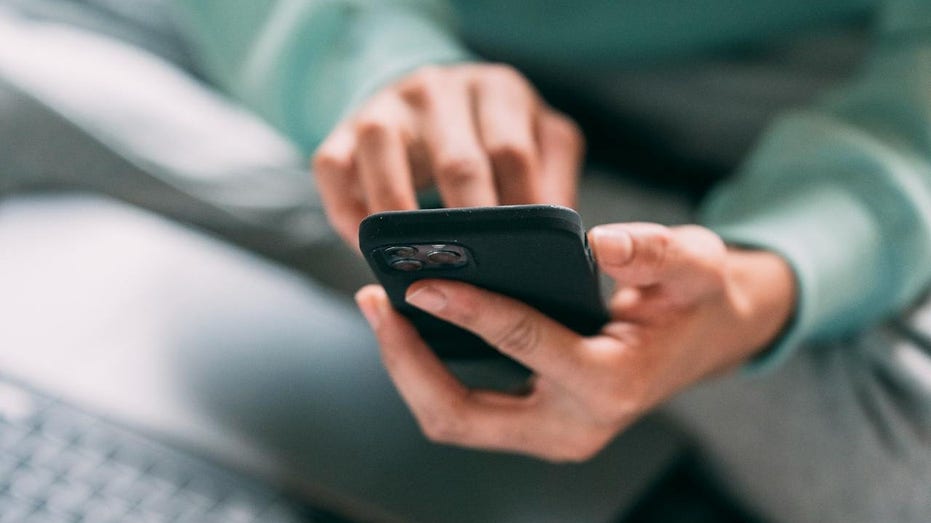
A scam is targeting parents with fake emergency texts. The texts claim a family emergency and ask for a response, then escalate to requests for money or verification codes.
A new scam is targeting parents with fake emergency texts. The scam, known as the 'Hi Mom' smishing scam, starts with a simple text message claiming a family emergency. The scammers then ask the parent to respond, and the conversation escalates to requests for money or verification codes. According to reports, the scammers use the initial response to build trust and create a sense of urgency. Parents are advised to be cautious when receiving unexpected texts and to verify the identity of the sender before responding.
To avoid falling victim to this scam, parents can take several precautions. They can start by being wary of generic greetings, such as 'Hi Mom', and look for specific details that a family member would know. Additionally, parents should never provide financial information or verification codes in response to a text message. If a parent is unsure about the authenticity of a text, they can try contacting their family member directly to verify the situation.
Go Deeper
What is smishing?
Smishing is a type of scam where attackers send fake text messages to trick victims into providing sensitive information or money. The term 'smishing' is a combination of 'SMS' and 'phishing'.
How can I spot a fake emergency text?
To spot a fake emergency text, look for generic greetings, spelling and grammar mistakes, and a sense of urgency. Legitimate messages from family members usually include specific details and do not ask for financial information.
What should I do if I receive a suspicious text?
If you receive a suspicious text, do not respond. Instead, try contacting the family member directly to verify the situation. You can also report the incident to the relevant authorities.
Can I report a smishing scam?
Yes, you can report a smishing scam to the Federal Trade Commission (FTC) or your local authorities. Reporting the incident can help prevent others from falling victim to the same scam.
How can I protect myself from smishing scams?
To protect yourself from smishing scams, be cautious when receiving unexpected texts, verify the identity of the sender, and never provide financial information or verification codes in response to a text message. You can also consider using two-factor authentication and keeping your devices and software up to date.
More technology
 technology
US Agencies Warn of Russian Hackers Targeting Internet Routers
The NSA, FBI, and CISA are warning organizations to secure their internet routers due to ongoing targeting by Russian hackers. The agencies are urging
Jul 17 technology
Linus Torvalds Responds to Critics of AI Coding in Linux
Linus Torvalds, the creator of Linux, has responded to critics of AI coding in the operating system. He stated that he will ignore those arguing for a
Jul 16 technology
Clickfix Used by Elite Hackers to Infect Devices
Uma técnica de engenharia social chamada Clickfix está sendo usada por hackers de elite para infectar dispositivos. Esta técnica foi usada anteriormente por pessoas financeiramente importantes |||SET||| 50 Plus Hub é o seu portal diário em estilo de jornal para uma vida inteligente após os 50: orientações úteis, jogos, ferramentas, ofertas e ajuda em inglês simples. |||SET||| Tópicos |||SET||| Por Década |||SET||| Na casa dos 50 anos |||SET||| Em seus 60 anos |||SET||| Em seus 70 anos |||SET||| 80 e além |||SET||| Jogos e ferramentas |||SET||| Jogo de memória |||SET||| Cadeia de recall |||SET||| Noite de TV |||SET||| Curiosidades Bíblicas |||SET||| Saúde e bem-estar |||SET||| Alertas Médicos |||SET||| Seguro de Vida |||SET||| Planos de telefonia celular
Jul 16