
FDA raises Midwest Poultry egg recall to Class I risk level
The Food and Drug Administration reclassified a July egg recall as Class I, its highest risk tier. The eggs were linked to a Salmonella outbreak with 98 illnesses and 26 hospitalizations across 17 states.
The Food and Drug Administration has upgraded a July egg recall to Class I, its highest risk category, warning that exposure could cause serious adverse health consequences or death.
Midwest Poultry Services first recalled about 1.6 million brown and white eggs in late July. The FDA classification, reported Aug. 13 by the New York Post and detailed on the agency site, covers eggs produced and distributed from Texas farms between June 6 and July 3, 2026, with sell-by or best-by dates from July 20 through Aug. 17, 2026.
The eggs went to foodservice and retail customers in Texas, Oklahoma, and Louisiana and were sold at Kroger stores in Texas and Louisiana and Brookshire Grocery stores in Texas, Oklahoma, Arkansas, Louisiana, New Mexico, and Mississippi. Cartons can be identified by codes P-1950 or 0840962 with a Julian date between 157 and 184 printed on the side.
On July 24, the Centers for Disease Control and Prevention reported a Salmonella outbreak tied to the recall. Officials counted 98 cases and 26 hospitalizations across 17 states. No deaths were reported in the Post account of the CDC notice.
Class I is reserved for products with a reasonable probability of serious harm. Older adults, young children, pregnant people, and anyone with a weakened immune system face higher risk from Salmonella, which can cause fever, diarrhea, and abdominal cramps and, in severe cases, bloodstream infection.
The company said no other Midwest Poultry Services products are part of the recall. Consumers who have matching cartons should not eat the eggs. Throw them away or return them to the store. Anyone with symptoms after eating recalled eggs should contact a doctor. A company phone line listed with the recall is 574-405-9531. Full product lists are on the FDA recall page.
Food safety agencies urge people to refrigerate eggs, cook them thoroughly, and wash hands and surfaces after handling raw eggs. A Class I upgrade does not mean every carton is contaminated. It means the risk is high enough that remaining product should be treated as unsafe.
Go Deeper
Which eggs are recalled?
About 1.6 million Midwest Poultry eggs from Texas farms, codes P-1950 or 0840962, Julian dates 157 to 184, sell-by or best-by dates July 20 to Aug. 17, 2026. Sold in several southern states including Texas, Oklahoma, Arkansas, Louisiana, New Mexico, and Mississippi.
What does Class I mean?
It is the FDA highest risk level. The agency says there is a reasonable probability that use or exposure could cause serious adverse health consequences or death.
How many people got sick?
The CDC linked 98 Salmonella cases and 26 hospitalizations across 17 states as of the July 24 outbreak notice cited in coverage. No deaths were reported in that account.
What should I do if I have these eggs?
Do not eat them. Discard them or return them to the store. Clean any surfaces they touched. Call a doctor if you have fever, diarrhea, or stomach pain after eating them.
Why does this matter more for people over 50?
Salmonella risk rises with age and with chronic illness. Severe dehydration and bloodstream infection are more common in older adults, so prompt medical care matters.
More health
 health50+
President Trump nominates Dr. Heidi Overton to lead the FDA
President Donald Trump said he will nominate Dr. Heidi Overton, deputy director of the White House Domestic Policy Council, as the next Food and Drug
Aug 23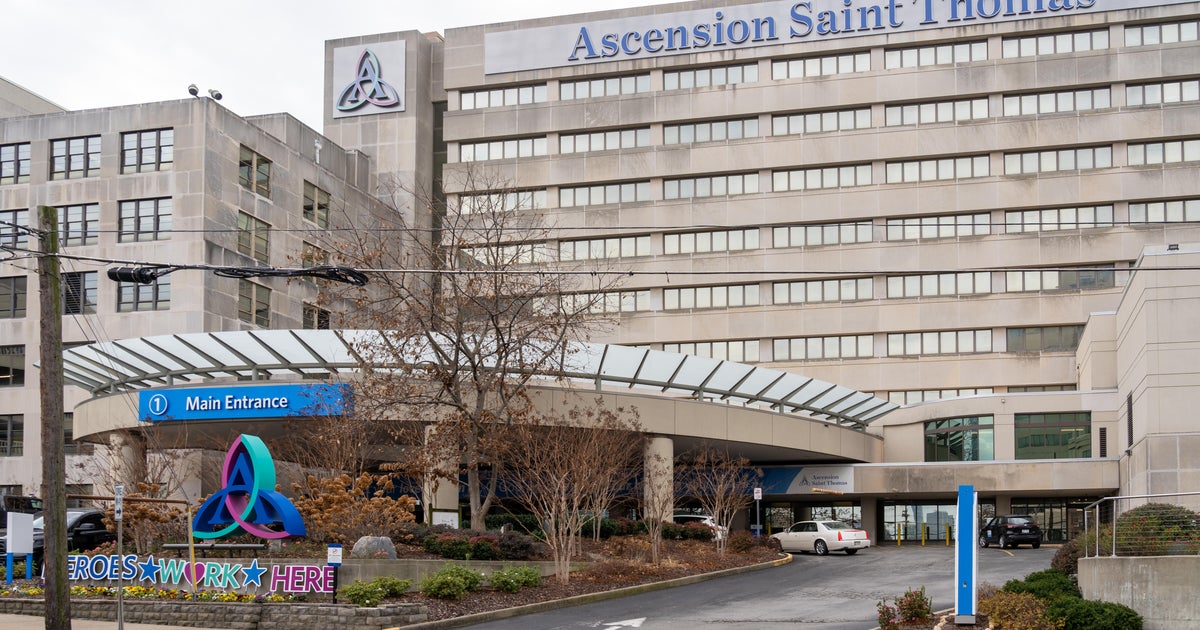 health50+
Nashville hospital potassium mix-up leaves joint-surgery patients paralyzed
Tennessee authorities are investigating after four patients at Ascension Saint Thomas Midtown in Nashville received potassium instead of standard pain
Aug 23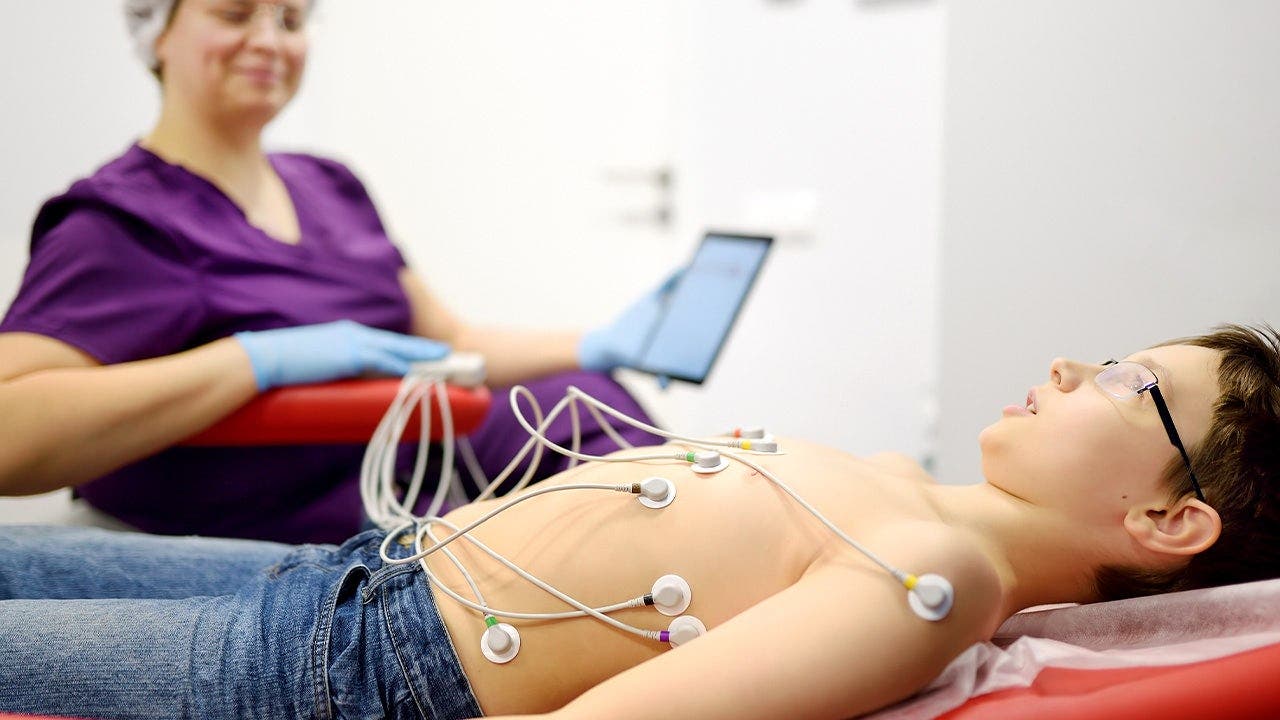 health50+
Florida school ECG rule finds hidden heart defect in symptom-free athlete
A Florida high school athlete with no symptoms learned he had an atrial septal defect after an electrocardiogram required under the state's new Second
Aug 23