
Prescription drug prices fall 3.1 percent year over year, steepest drop since 1963
U.S. prescription drug prices are down 3.1 percent from a year earlier, the sharpest annual decline since 1963, according to price-index reporting. The Trump administration points to transparency steps, most-favored-nation pricing pressure, and cash discount tools.
WASHINGTON - Prescription drug prices fell 3.1 percent from a year earlier, the steepest annual decline since 1963, according to price-index reporting carried by The National News Desk and local affiliates.
The Trump administration has tied the drop to greater price transparency, its most-favored-nation drug pricing push, and new discount tools meant to narrow the gap between U.S. list prices and what patients actually pay at the counter. President Trump has argued for years that Americans paid far more than patients in other developed countries for the same medicines.
Dr. Ryan Cole of the Independent Medical Alliance told The National News Desk the U.S. market is complicated by layers of middlemen, including insurers, pharmacies, and pharmacy benefit managers. Those layers, he said, make net prices opaque and often leave patients with higher final costs.
Cole said transparency can help patients compare a drug's list price with a real net or cash price. In some cases, paying cash can cost less than using insurance after rebates and fees are counted. He advised patients to ask doctors whether a generic exists and to ask pharmacists to check cash pricing options, including TrumpRx cash prices when offered.
Critics of sharp price cuts warn that squeezing manufacturer revenue could slow research on new treatments. Cole disputed that claim, saying lower consumer prices do not have to stop American medical innovation.
For households on Medicare or fixed incomes, a 3.1 percent year-over-year decline is welcome but uneven. Individual drug prices still vary by plan, pharmacy, and whether a medicine has a generic. Checking both insurance and cash quotes before filling a chronic prescription remains the practical next step.
Go Deeper
How large was the price drop?
Prescription drug prices were down 3.1 percent year over year, the steepest annual fall since 1963 in the reported index.
What does the administration credit?
Transparency measures, most-favored-nation pricing pressure, and discount tools aimed at lowering what Americans pay.
Why are U.S. prices often confusing?
Multiple middlemen, including pharmacy benefit managers, sit between manufacturers and patients, which can hide the true net price.
Can cash beat my copay?
Sometimes. Experts say asking the pharmacist to compare insurance and cash prices can save money on certain drugs.
What should I ask at the doctor visit?
Ask whether a generic is appropriate, then confirm the best price at the pharmacy before you leave the counter.
More business
 business50+
Analyst says millions of barrels of Gulf oil remain shut in beyond Hormuz focus
Petroleum geologist Art Berman told Fox News that about 8 million barrels a day of Persian Gulf production remain shut in and that restarting wells is
Aug 23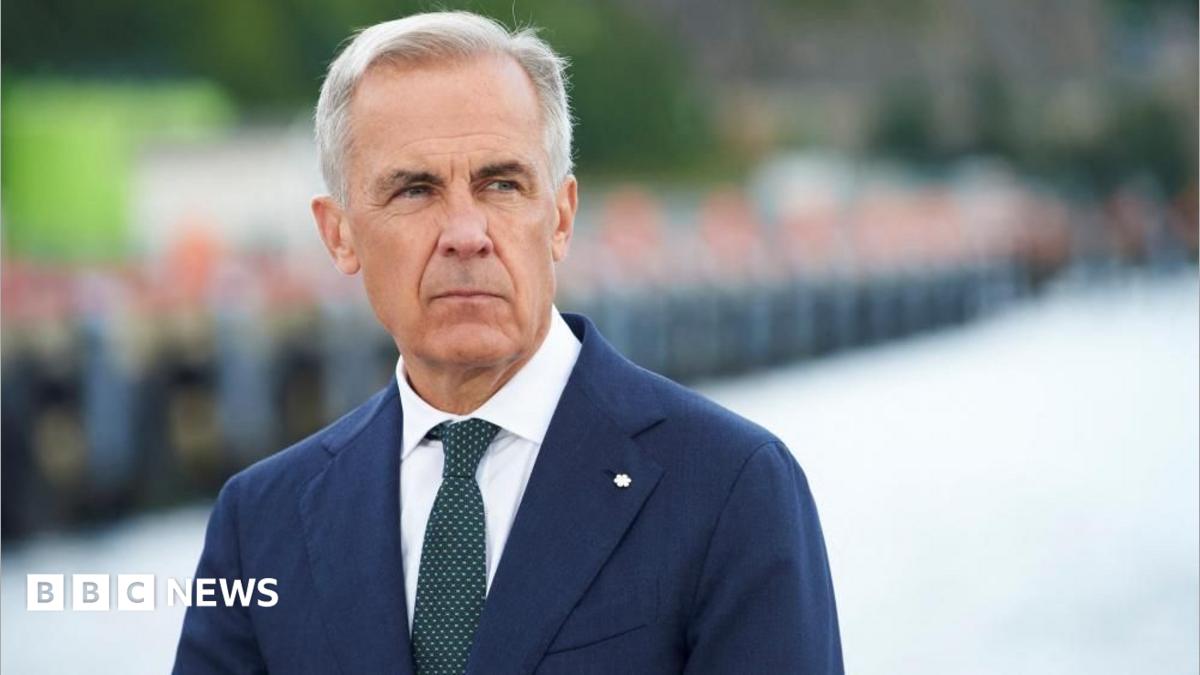 business50+
U.S. 50 percent Canada tariffs take effect after trade talks break down
New U.S. 50 percent tariffs on about $20 billion in Canadian goods took effect after Prime Minister Mark Carney suspended talks and vowed dollar-for-d
Aug 22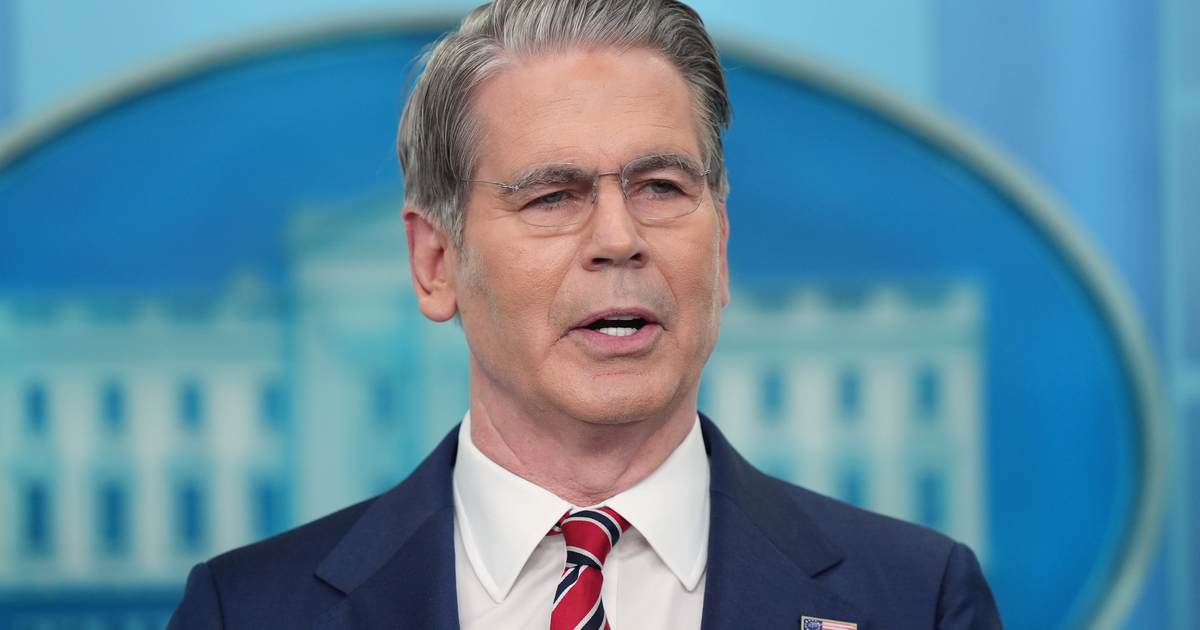 business50+
Treasury says U.S. can grow its way past $40 trillion national debt milestone
Gross federal debt topped $40 trillion this week. Treasury Secretary Scott Bessent told CNBC and reporters the figure is not magic and that growth plu
Aug 21