
Scientists Discover Mechanism to Reduce Inflammation
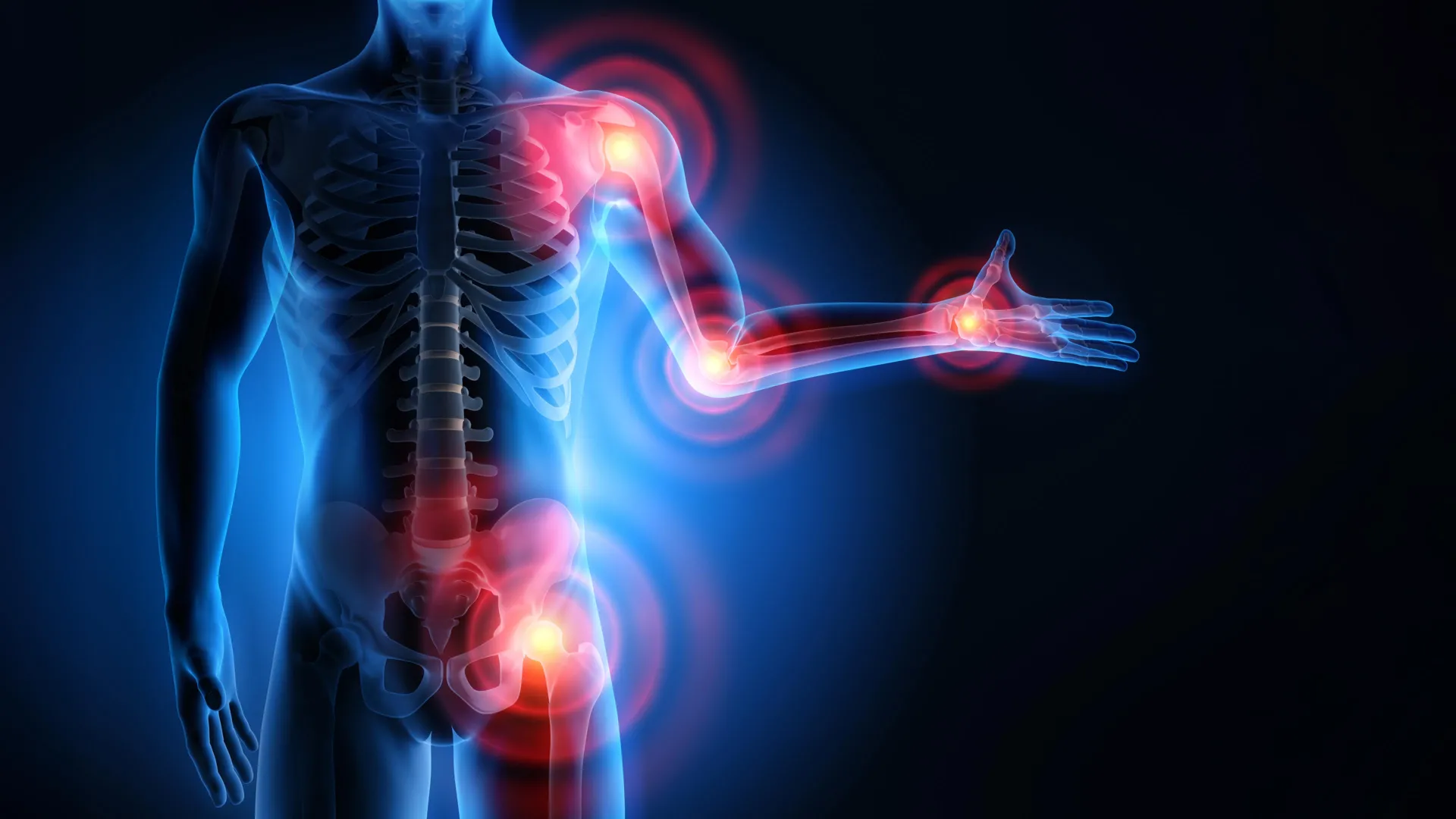
Researchers have found a natural process that helps the immune system shut down inflammation. This discovery could lead to new treatments for chronic inflammatory diseases.
Scientists have identified a natural braking system that regulates the immune system's response to inflammation. This mechanism helps to prevent harmful immune cells from accumulating and causing damage. By boosting this pathway in individuals, researchers were able to reduce inflammation-related immune changes and accelerate pain relief. The discovery of this mechanism provides new insights into the development of potential treatments for chronic inflammatory diseases. The study's findings suggest that targeting this pathway could lead to more effective management of conditions characterized by chronic inflammation. Researchers are hopeful that this discovery will pave the way for the development of new therapies. The immune system's ability to switch off inflammation is crucial for maintaining overall health and preventing disease. Further research is needed to fully understand the implications of this discovery and its potential applications.
Go Deeper
What is inflammation and why is it harmful?
Inflammation is the immune system's response to injury or infection. While it is a natural process, chronic inflammation can be harmful and contribute to the development of various diseases, such as arthritis and diabetes.
How does the newly discovered mechanism work?
The mechanism acts as a braking system, helping to switch off the immune system's inflammatory response and prevent the buildup of harmful immune cells.
What are the potential applications of this discovery?
The discovery of this mechanism could lead to the development of new treatments for chronic inflammatory diseases, such as arthritis, diabetes, and asthma.
How was the study conducted?
The study involved boosting the newly discovered pathway in individuals and observing the effects on inflammation-related immune changes and pain relief.
What are the next steps for researchers?
Further research is needed to fully understand the implications of this discovery and its potential applications, including the development of new therapies and treatments for chronic inflammatory diseases.
More health
An Experimental Alzheimer's Drug Showed Stronger Benefit at Two Years, but the Numbers Call for Caution
An experimental drug called diranersen showed hopeful two-year results in a study of people with early Alzheimer's disease, including about a 54 perce
Nov 21health50+Flu Is Spreading Early This Year, and Older Adults Face the Highest Risk
Flu is spreading unusually early this year, and adults 65 and older face the highest risk of being hospitalized. Doctors recommend a stronger flu shot
Nov 20health50+Medicare's Open Enrollment Ends December 7, and Some Costs Will Rise in 2027
Medicare's open enrollment ends December 7, and several costs, including the Part D out-of-pocket cap, are rising in 2027. There is still time to swit
Nov 20