
US Wait Times for Cancer Surgeries Reach 10-Year High
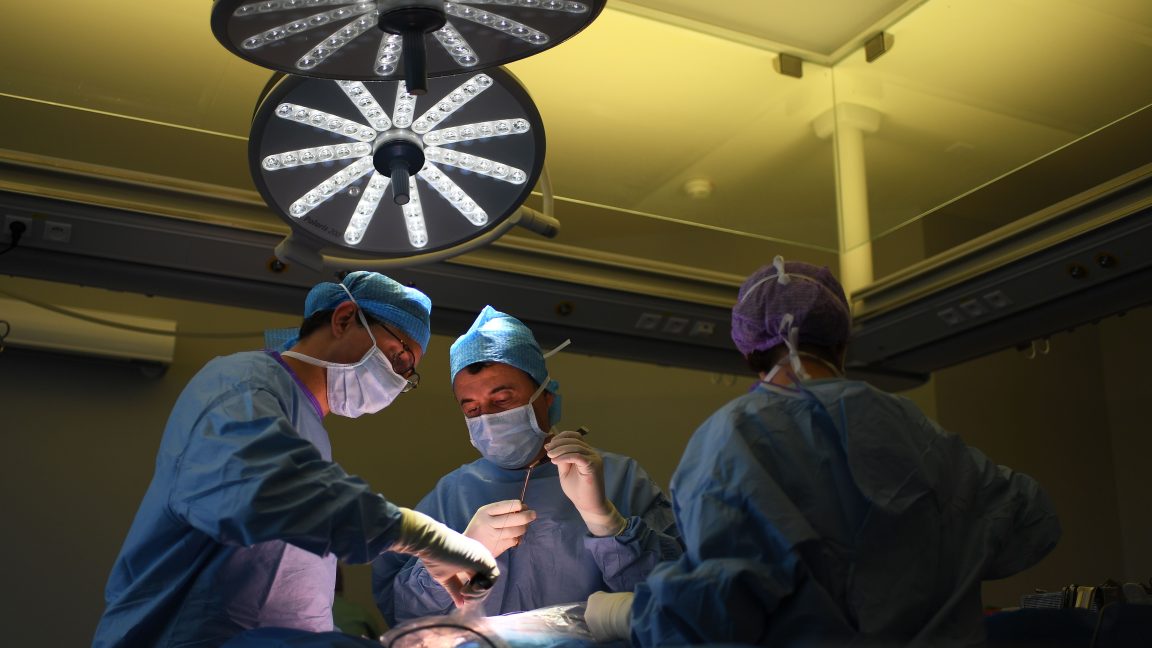
A recent study found that wait times for cancer surgeries in the US have increased. The study reported a 10-year high in wait times for these procedures.
According to a new study, wait times for cancer surgeries in the US have reached a 10-year high. This increase in wait times may have significant implications for patients awaiting surgery. The study's findings suggest that the US healthcare system is facing challenges in providing timely access to cancer surgery. Wait times can be a significant source of stress and anxiety for patients and their families. The study did not specify the exact causes of the increase in wait times, but it highlights the need for further investigation into this issue. Researchers and healthcare professionals will likely examine the study's findings to identify potential solutions to reduce wait times and improve patient outcomes. The study's results may also inform policy decisions aimed at improving access to healthcare services. The increase in wait times may be attributed to various factors, including staffing shortages, increased demand for services, or operational inefficiencies. Further research is needed to determine the underlying causes of the increase in wait times and to develop effective strategies to address this issue.
Go Deeper
What is the current average wait time for cancer surgeries in the US?
The study reported a 10-year high in wait times, but the exact average wait time was not specified. Wait times can vary significantly depending on the type of cancer, location, and other factors.
What are the potential consequences of longer wait times for cancer surgeries?
Longer wait times can lead to increased stress and anxiety for patients and their families. Additionally, delayed treatment may impact patient outcomes and survival rates.
What are some possible causes of the increase in wait times for cancer surgeries?
The study did not specify the exact causes, but potential factors include staffing shortages, increased demand for services, or operational inefficiencies. Further research is needed to determine the underlying causes.
How might the increase in wait times for cancer surgeries impact healthcare policy?
The study's findings may inform policy decisions aimed at improving access to healthcare services. Policymakers may consider strategies to address staffing shortages, increase funding for healthcare services, or improve operational efficiency.
What steps can be taken to reduce wait times for cancer surgeries?
To reduce wait times, healthcare providers and policymakers may consider strategies such as increasing staffing, optimizing scheduling and resource allocation, and implementing efficient patient flow systems. Further research is needed to develop effective solutions to this issue.
More health
 health50+
President Trump nominates Dr. Heidi Overton to lead the FDA
President Donald Trump said he will nominate Dr. Heidi Overton, deputy director of the White House Domestic Policy Council, as the next Food and Drug
Aug 23 health50+
Nashville hospital potassium mix-up leaves joint-surgery patients paralyzed
Tennessee authorities are investigating after four patients at Ascension Saint Thomas Midtown in Nashville received potassium instead of standard pain
Aug 23 health50+
Florida school ECG rule finds hidden heart defect in symptom-free athlete
A Florida high school athlete with no symptoms learned he had an atrial septal defect after an electrocardiogram required under the state's new Second
Aug 23