
Scientists Discover Molecular Mechanism Linked to Alzheimer's Brain Inflammation
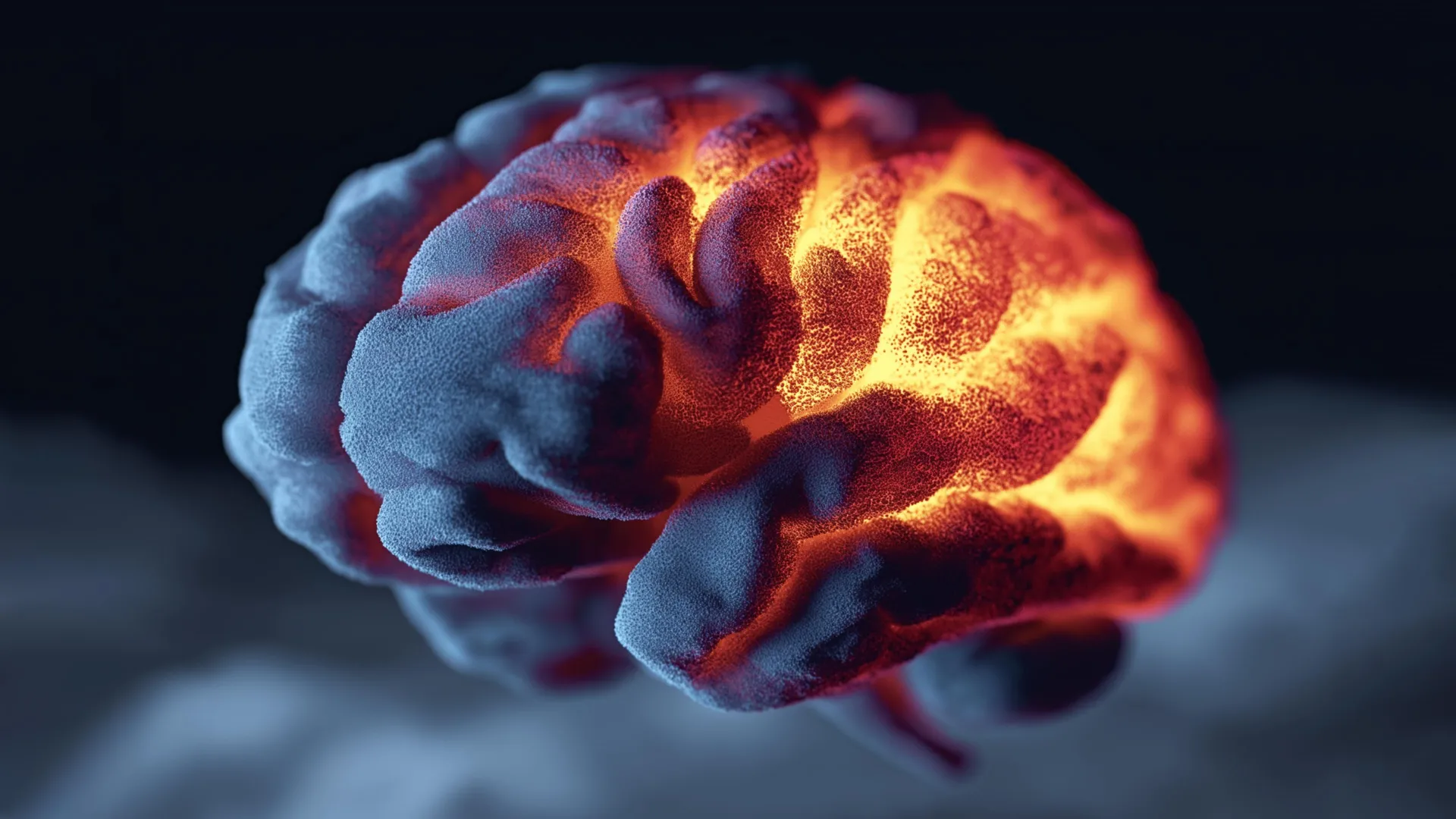
Researchers at Scripps Research have identified a protein that contributes to brain inflammation in Alzheimer's disease. The protein, called STING, is chemically altered, leading to an overactive immune response that harms nerve cell connections.
Scientists at Scripps Research have made a significant discovery in the fight against Alzheimer's disease. They have found that a protein called STING plays a key role in the brain inflammation associated with the condition. When STING is chemically altered, it can keep the brain's immune system in a state of overdrive, causing damage to the connections between nerve cells.
The researchers believe that this molecular mechanism may be a major contributor to the progression of Alzheimer's disease. By understanding how STING contributes to brain inflammation, scientists may be able to develop new treatments that target this protein and help to slow or halt the progression of the disease.
Go Deeper
What is STING and how does it contribute to Alzheimer's?
STING is a protein that, when chemically altered, can cause the brain's immune system to become overactive, leading to inflammation and damage to nerve cell connections in Alzheimer's disease. This process can contribute to the progression of the condition.
How does the immune system's overdrive harm the brain?
When the immune system is stuck in overdrive, it can cause inflammation in the brain, which damages the connections between nerve cells. This damage can lead to the symptoms associated with Alzheimer's disease, such as memory loss and cognitive decline.
Can targeting STING lead to new treatments for Alzheimer's?
Yes, by understanding how STING contributes to brain inflammation, scientists may be able to develop new treatments that target this protein. These treatments could potentially help to slow or halt the progression of Alzheimer's disease.
What are the next steps in researching STING's role in Alzheimer's?
Further research is needed to fully understand the role of STING in Alzheimer's disease. Scientists will likely continue to study the protein and its effects on the brain, with the goal of developing effective treatments.
How might this discovery impact our understanding of Alzheimer's disease?
This discovery could significantly advance our understanding of Alzheimer's disease, particularly in terms of the role of inflammation in the condition. It may also lead to new avenues for treatment and prevention.
More health
 health50+
Mental Stimulation May Reduce Alzheimer's Risk
A lifetime of mental stimulation may help protect the brain as we age. People with high levels of cognitive enrichment had a lower risk of Alzheimer's
Jul 17 health50+
Researchers Identify Protein That May Contribute to Parkinson's Spread
Os pesquisadores identificaram uma proteína chamada GPNMB que pode desempenhar um papel na propagação da doença de Parkinson através do cérebro. Em experimentos, blocki |||SET||| 16 de julho |||SET||| Estudo relaciona alto consumo de carne à redução do risco de Alzheimer em alguns grupos genéticos |||SET||| Um novo estudo sugere que adultos mais velhos com variantes do gene APOE de alto risco podem experimentar um declínio cognitivo mais lento se comerem grandes quantidades de carne. O |||SET||| 50 Plus Hub é o seu portal diário em estilo de jornal para uma vida inteligente após os 50: orientações úteis, jogos, ferramentas, ofertas e ajuda em inglês simples. |||SET||| Tópicos |||SET||| Por Década |||SET||| Na casa dos 50 anos |||SET||| Em seus 60 anos |||SET||| Em seus 70 anos |||SET||| 80 e além |||SET||| Jogos e ferramentas |||SET||| Jogo de memória |||SET||| Cadeia de recall |||SET||| Noite de TV |||SET||| Curiosidades Bíblicas |||SET||| Saúde e bem-estar |||SET||| Alertas Médicos |||SET||| Seguro de Vida |||SET||| Planos de telefonia celular
Jul 16 health50+
Study Links High Meat Consumption to Lower Alzheimer’s Risk for Some Genetic Groups
A new study suggests that older adults with high-risk APOE gene variants may experience slower cognitive decline if they eat high amounts of meat. The
Jul 16