
Study Finds CBD May Reduce Neuroinflammation in Alzheimer's

Researchers have found that CBD may help reduce neuroinflammation in Alzheimer's disease. A study using Alzheimer's mice found that inhaled CBD reduced key drivers of this damaging process.
A recent study suggests that CBD may have a role in fighting Alzheimer's disease. In experiments, scientists used mice with Alzheimer's and found that inhaled CBD reduced key drivers of neuroinflammation. Neuroinflammation is a process that has been linked to memory loss and brain degeneration. The study's findings indicate that CBD may be doing more than just easing pain or anxiety. By calming the brain's immune response, CBD may help slow the progression of Alzheimer's disease.
The research used Alzheimer's mice to test the effects of inhaled CBD. The results showed that CBD reduced neuroinflammation, which is thought to contribute to the development of Alzheimer's. While more research is needed to fully understand the effects of CBD on Alzheimer's, the study's findings are promising. The study's use of inhaled CBD also suggests that this method of delivery may be effective in reducing neuroinflammation.
Go Deeper
What is neuroinflammation?
Neuroinflammation is a process in which the brain's immune system becomes overactive, leading to damage and degeneration of brain cells. It has been linked to memory loss and brain degeneration in Alzheimer's disease.
How was the study conducted?
The study used mice with Alzheimer's disease and tested the effects of inhaled CBD on neuroinflammation. The results showed that CBD reduced key drivers of neuroinflammation.
What are the potential implications of the study's findings?
The study's findings suggest that CBD may have a role in fighting Alzheimer's disease by calming the brain's immune response. This could lead to the development of new treatments for the disease.
Is more research needed to confirm the study's findings?
Yes, more research is needed to fully understand the effects of CBD on Alzheimer's disease. The study's findings are promising, but further studies are needed to confirm the results and determine the best method of delivery for CBD.
Could CBD be used to treat other diseases related to neuroinflammation?
Possibly, the study's findings suggest that CBD may have a role in reducing neuroinflammation, which is thought to contribute to a range of diseases, including multiple sclerosis and Parkinson's disease.
More health
 health50+
Mental Stimulation May Reduce Alzheimer's Risk
A lifetime of mental stimulation may help protect the brain as we age. People with high levels of cognitive enrichment had a lower risk of Alzheimer's
Jul 17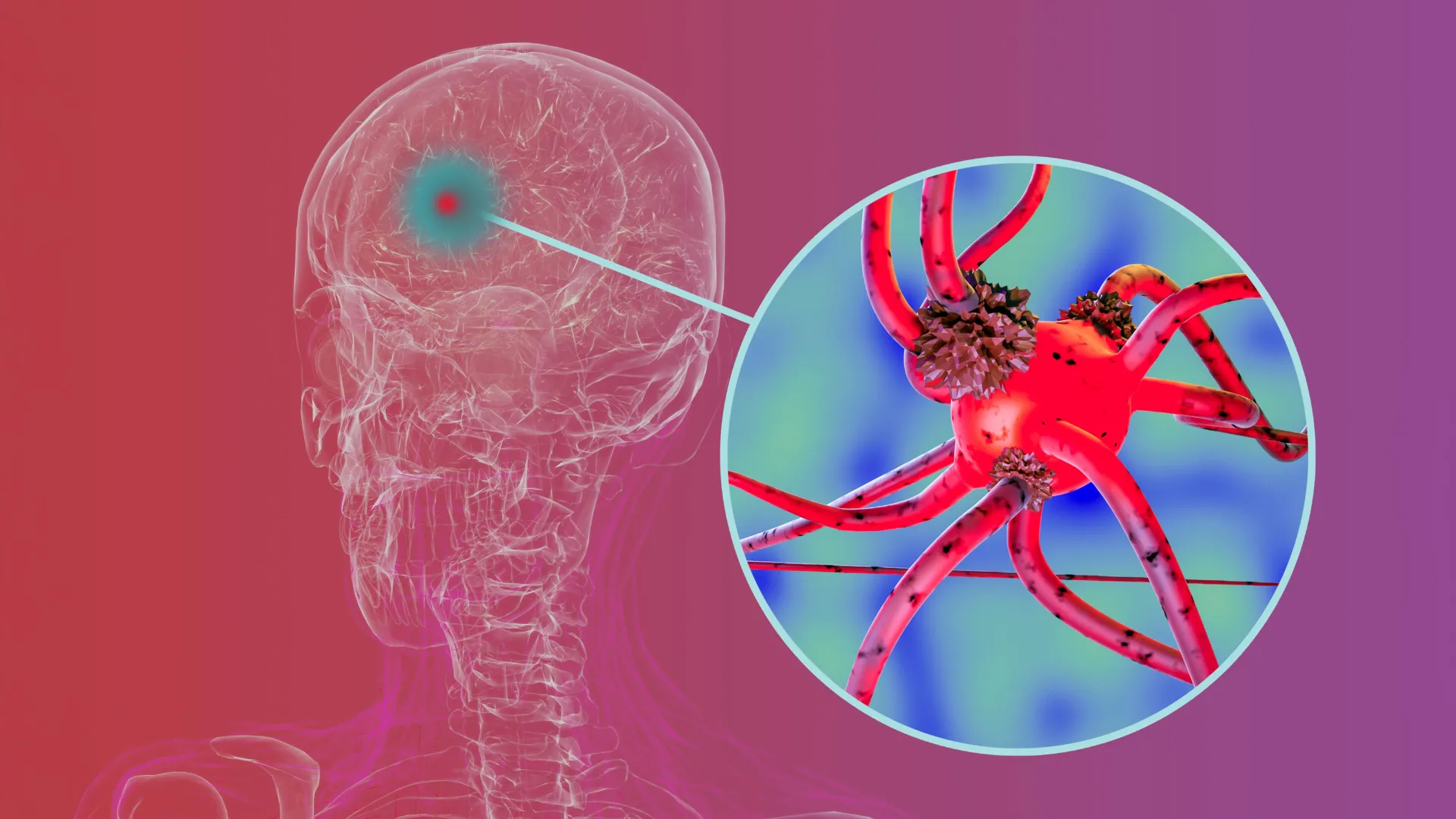 health50+
Researchers Identify Protein That May Contribute to Parkinson's Spread
Researchers have identified a protein called GPNMB that may play a role in the spread of Parkinson's disease through the brain. In experiments, blocki
Jul 16 health50+
Estudo relaciona alto consumo de carne à redução do risco de Alzheimer em alguns grupos genéticos |||SET||| Um novo estudo sugere que adultos mais velhos com variantes do gene APOE de alto risco podem experimentar um declínio cognitivo mais lento se comerem grandes quantidades de carne. O |||SET||| 50 Plus Hub é o seu portal diário em estilo de jornal para uma vida inteligente após os 50: orientações úteis, jogos, ferramentas, ofertas e ajuda em inglês simples. |||SET||| Tópicos |||SET||| Por Década |||SET||| Na casa dos 50 anos |||SET||| Em seus 60 anos |||SET||| Em seus 70 anos |||SET||| 80 e além |||SET||| Jogos e ferramentas |||SET||| Jogo de memória |||SET||| Cadeia de recall |||SET||| Noite de TV |||SET||| Curiosidades Bíblicas |||SET||| Saúde e bem-estar |||SET||| Alertas Médicos |||SET||| Seguro de Vida |||SET||| Planos de telefonia celular
A new study suggests that older adults with high-risk APOE gene variants may experience slower cognitive decline if they eat high amounts of meat. The
Jul 16