
UC San Diego Study Examines Alzheimer's Risk in Women
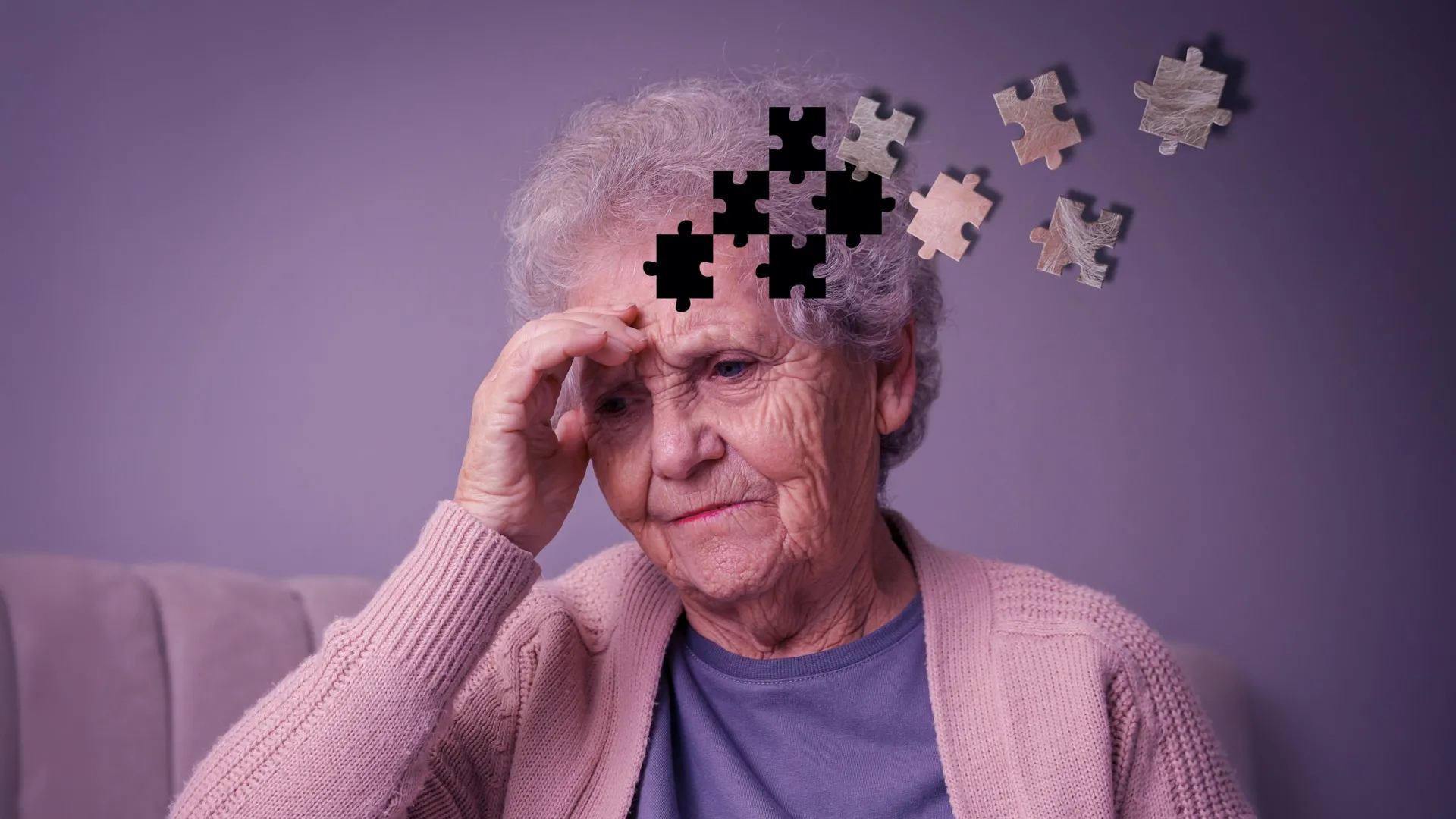
A new study by UC San Diego found that women may be more sensitive to common dementia risk factors. The study analyzed data from over 17,000 adults and suggests that tailored prevention strategies for women could help reduce Alzheimer's risk.
Researchers at UC San Diego have conducted a study of over 17,000 adults to investigate the link between dementia risk factors and Alzheimer's disease in women. The study found that women may be especially sensitive to the effects of common dementia risk factors. This discovery could have significant implications for the development of prevention strategies. By tailoring these strategies specifically for women, it may be possible to reduce Alzheimer's risk. The study's findings highlight the importance of considering gender differences when addressing dementia and Alzheimer's disease.
According to the researchers, the study's results suggest that a one-size-fits-all approach to prevention may not be effective. Instead, they propose that prevention strategies should be tailored to address the unique needs and risk factors of different populations, including women. This approach could lead to more effective prevention and reduction of Alzheimer's risk in women.
The study's analysis of over 17,000 adults provides valuable insights into the relationship between dementia risk factors and Alzheimer's disease in women. The researchers' findings have the potential to inform the development of targeted prevention strategies and improve health outcomes for women at risk of Alzheimer's disease.
Go Deeper
What did the UC San Diego study find about women and Alzheimer's risk?
The study found that women may be more sensitive to common dementia risk factors, which could increase their risk of developing Alzheimer's disease. This suggests that women may need tailored prevention strategies to reduce their risk.
How many adults were included in the study?
The study analyzed data from over 17,000 adults to investigate the link between dementia risk factors and Alzheimer's disease in women.
What do the researchers propose as a result of the study's findings?
The researchers propose that prevention strategies should be tailored to address the unique needs and risk factors of different populations, including women, rather than using a one-size-fits-all approach.
Why is it important to consider gender differences when addressing dementia and Alzheimer's disease?
Considering gender differences is important because women may be more sensitive to common dementia risk factors, and tailored prevention strategies could lead to more effective prevention and reduction of Alzheimer's risk in women.
What could be the potential outcome of tailoring prevention strategies for women?
Tailoring prevention strategies for women could lead to more effective prevention and reduction of Alzheimer's risk in women, ultimately improving health outcomes for this population.
More health
 health50+
A estimulação mental pode reduzir o risco de Alzheimer |||SET||| Uma vida inteira de estimulação mental pode ajudar a proteger o cérebro à medida que envelhecemos. Pessoas com altos níveis de enriquecimento cognitivo tiveram menor risco de Alzheimer |||SET||| 17 de julho |||SET||| Pesquisadores identificam proteínas que podem contribuir para a propagação do Parkinson |||SET||| Os pesquisadores identificaram uma proteína chamada GPNMB que pode desempenhar um papel na propagação da doença de Parkinson através do cérebro. Em experimentos, blocki |||SET||| 16 de julho |||SET||| Estudo relaciona alto consumo de carne à redução do risco de Alzheimer em alguns grupos genéticos |||SET||| Um novo estudo sugere que adultos mais velhos com variantes do gene APOE de alto risco podem experimentar um declínio cognitivo mais lento se comerem grandes quantidades de carne. O |||SET||| 50 Plus Hub é o seu portal diário em estilo de jornal para uma vida inteligente após os 50: orientações úteis, jogos, ferramentas, ofertas e ajuda em inglês simples. |||SET||| Tópicos |||SET||| Por Década |||SET||| Na casa dos 50 anos |||SET||| Em seus 60 anos |||SET||| Em seus 70 anos |||SET||| 80 e além |||SET||| Jogos e ferramentas |||SET||| Jogo de memória |||SET||| Cadeia de recall |||SET||| Noite de TV |||SET||| Curiosidades Bíblicas |||SET||| Saúde e bem-estar |||SET||| Alertas Médicos |||SET||| Seguro de vida
A lifetime of mental stimulation may help protect the brain as we age. People with high levels of cognitive enrichment had a lower risk of Alzheimer's
Jul 17 health50+
Researchers Identify Protein That May Contribute to Parkinson's Spread
Researchers have identified a protein called GPNMB that may play a role in the spread of Parkinson's disease through the brain. In experiments, blocki
Jul 16 health50+
Study Links High Meat Consumption to Lower Alzheimer’s Risk for Some Genetic Groups
A new study suggests that older adults with high-risk APOE gene variants may experience slower cognitive decline if they eat high amounts of meat. The
Jul 16