
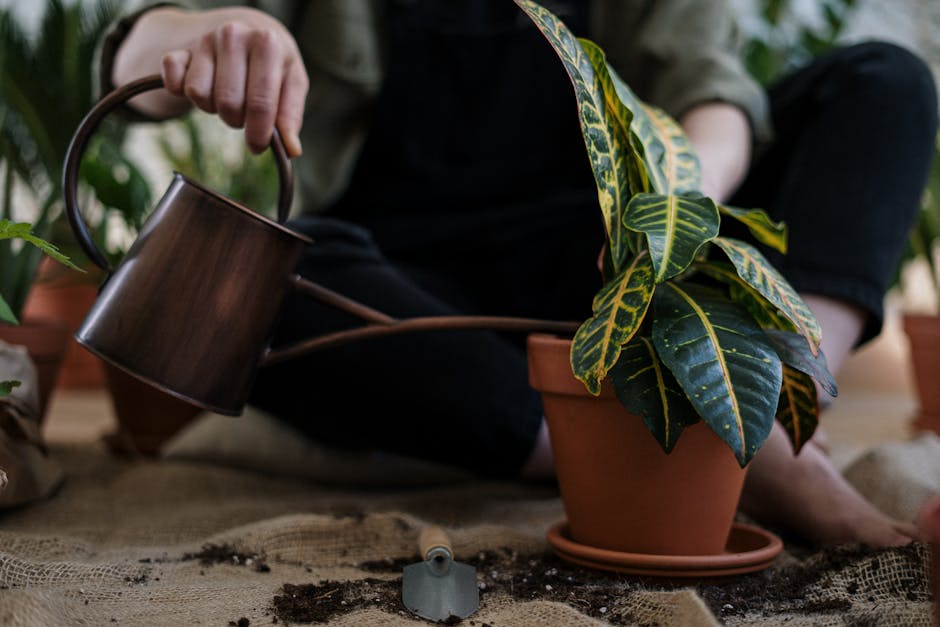
According to a study by the National Gardening Association, 77 million households in the United States participate in gardening, with adults 50 and older making up a significant portion of these households. Gardening is not only a great way to stay physically active, but it also provides an opportunity to connect with nature and engage in a fulfilling hobby.
Physical Health Benefits
Gardening provides numerous physical health benefits, including reducing the risk of heart disease, improving flexibility, and strengthening bones. A study published in the Journal of Aging Research found that older adults who participated in gardening activities had improved physical function and reduced risk of falls.
Additionally, gardening can help adults 50 and older meet the recommended daily intake of physical activity, as outlined by the Centers for Disease Control and Prevention.
Mental Health Benefits
Gardening has been shown to have a positive impact on mental health, reducing symptoms of anxiety and depression. A study published in the Journal of Clinical Psychology found that gardening therapy reduced symptoms of depression in older adults.
The National Institute of Mental Health also recognizes gardening as a form of therapy that can help alleviate symptoms of mental health disorders.
Getting Started
For adults 50 and older who are new to gardening, getting started can seem overwhelming. However, with a few simple steps, anyone can begin gardening. The United States Department of Agriculture provides resources and tips for beginners, including information on choosing the right plants, preparing the soil, and maintaining a garden.
Local nurseries and gardening clubs are also great resources for learning about gardening and connecting with other gardeners.
Types of Gardens
There are numerous types of gardens that adults 50 and older can create, depending on their interests and abilities. Container gardens are a great option for those with limited space, while raised bed gardens can be easier to maintain for those with mobility issues.
The National Gardening Association also provides information on gardening for specific health conditions, such as arthritis and diabetes.
Gardening Communities
Gardening communities are a great way for adults 50 and older to connect with others who share similar interests. Local gardening clubs, community gardens, and online forums provide opportunities to learn from others, share tips and advice, and participate in gardening activities.
The American Community Gardening Association also provides resources and support for community gardening initiatives.
Resources
There are numerous resources available for adults 50 and older who are interested in gardening. The National Institute on Aging provides information on gardening and older adults, including tips for getting started and staying safe while gardening.
The AARP also provides resources and advice on gardening, including information on gardening for health and wellness.
Conclusion
Gardening is a fulfilling hobby that provides numerous physical and mental health benefits for adults 50 and older. With the right resources and support, anyone can get started with gardening and enjoy the many benefits it has to offer.
Whether you have a small balcony or a large backyard, gardening is a great way to connect with nature, improve your health, and engage in a fun and rewarding activity.
Gardening Benefits by Type of Garden
| Type of Garden | Physical Health Benefits | Mental Health Benefits |
|---|---|---|
| Container Garden | Improved flexibility, reduced risk of falls | Reduced symptoms of anxiety and depression |
| Raised Bed Garden | Improved strength, reduced risk of heart disease | Improved mood, reduced symptoms of depression |
| Community Garden | Improved social connections, reduced risk of isolation | Improved mental health, reduced symptoms of anxiety and depression |
Gardening is a fun and rewarding hobby that provides numerous physical and mental health benefits for adults 50 and older. With the right resources and support, anyone can get started with gardening and enjoy the many benefits it has to offer.
Whether you have a small balcony or a large backyard, gardening is a great way to connect with nature, improve your health, and engage in a fun and fulfilling activity.
Sources
- National Gardening Association, 'Gardening in the United States,' 2020
- Centers for Disease Control and Prevention, 'Physical Activity and Health,' 2020
- National Institute of Mental Health, 'Gardening as Therapy,' 2019
- United States Department of Agriculture, 'Gardening for Beginners,' 2020
- American Community Gardening Association, 'Community Gardening,' 2020
- AARP, 'Gardening for Health and Wellness,' 2020