
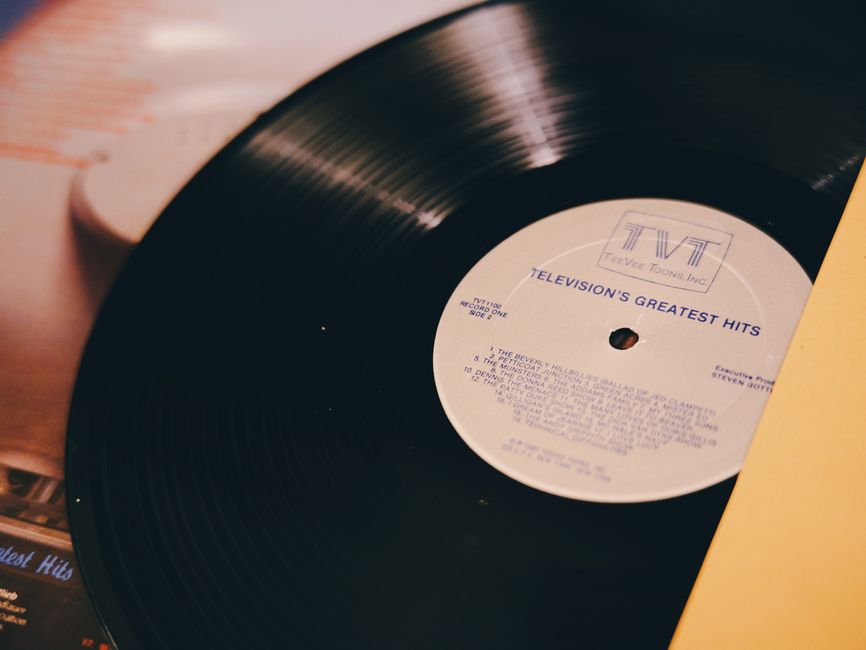
<h2>Why Vinyl Matters to You Now</h2> <p>When you were in high school or college, the record store was a social hub. You spent Saturdays flipping through crates of 12‑inch albums, feeling the weight of a new pressing, and listening to the first crackle of a favorite song. Those experiences are more than memories; they are assets you can leverage as you approach the peak of your career, consider a financial catch‑up, or navigate an empty‑nest transition.</p>
<h2>The Original Vinyl Boom</h2> <p>The late 1970s and early 1980s saw a surge in album releases across rock, disco, new wave, and early hip‑hop. Major labels pressed millions of records, and independent labels offered niche genres that appealed to dedicated fans. For many in your age group, a well‑curated record collection was a badge of cultural literacy and personal taste.</p>
<h2>Why Vinyl Is Resurgent Today</h2> <p>In the past decade, vinyl sales have consistently outpaced many digital formats. Collectors value the tactile experience, larger album artwork, and perceived audio fidelity. This resurgence creates a market for well‑preserved records—especially those that were popular when you were first buying them.</p>
<h2>Assessing Your Collection</h2> <p>Before you decide what to do with your records, take inventory. A systematic approach saves time and helps you identify the most valuable items.</p> <ul> <li><strong>Organize by genre and era.</strong> Separate your classic rock, pop, and emerging genres like early synth‑pop.</li> <li><strong>Check condition.</strong> Look for scratches, warps, and label wear. Records graded “Near Mint” or “Very Good Plus” command higher prices.</li> <li><strong>Document key details.</strong> Note the artist, album title, pressing year, and catalog number. A simple spreadsheet can become a personal catalog.</li> </ul>
<h2>Monetizing Your Vinyl</h2> <p>Turning a hobby into a side income is feasible, especially if you have limited time after work or while your children are away at college.</p> <ul> <li><strong>Online marketplaces.</strong> Platforms such as Discogs, eBay, and specialized vinyl forums connect sellers with collectors worldwide. Create a profile, list items with clear photos, and set realistic prices based on recent sales.</li> <li><strong>Local record stores.</strong> Many independent shops purchase bulk collections or accept consignment. Visit a few stores to compare offers.</li> <li><strong>Flea markets and pop‑up events.</strong> Setting up a booth can be a low‑cost way to reach local enthusiasts. Bring a portable record player to let shoppers sample the sound.</li> <li><strong>Digital archiving.</strong> If you own rare or out‑of‑print albums, consider creating high‑quality digital copies for personal use. Selling the digital files is generally prohibited by copyright, but the process preserves the music for family sharing.</li> </ul>
<h2>Creative Uses Beyond Sales</h2> <p>Even if you choose not to sell, your records can enrich your current life stage.</p> <ul> <li><strong>Family listening sessions.</strong> Host a vinyl night for your children or grandchildren. The ritual of placing the needle can become a bonding experience.</li> <li><strong>Curated playlists.</strong> Compile thematic mixes—such as “Road‑Trip Classics” or “80s Dance Party”—and share them on streaming services with album‑art scans from your own collection.</li> <li><strong>Gift‑giving.</strong> A carefully chosen record can be a meaningful present for a friend’s birthday or a wedding anniversary.</li> <li><strong>Home décor.</strong> Framed album covers make striking wall art that reflects your personal style and sparks conversation.</li> </ul>
<h2>Practical Tips for Managing Time and Money</h2> <p>Balancing a career peak, financial goals, and an empty nest requires disciplined effort.</p> <ul> <li><strong>Set a realistic schedule.</strong> Allocate one weekend a month for cataloging, photographing, and listing items. Small, consistent steps prevent overwhelm.</li> <li><strong>Watch out for scams.</strong> Verify buyer feedback on online platforms, use secure payment methods, and avoid shipping high‑value records without insurance.</li> <li><strong>Budget for supplies.</strong> A quality turntable needle, protective sleeves, and a sturdy storage rack are modest investments that protect your assets.</li> <li><strong>Track earnings.</strong> Treat any profits as supplemental income, and consider consulting a tax professional to understand reporting requirements.</li> </ul>
<h2>Reinventing Through Your Musical Heritage</h2> <p>At this stage of life, many people seek ways to feel relevant and productive. Your vinyl collection offers a bridge between the past you cherish and the present you are shaping. Whether you decide to sell select records, share them with younger family members, or simply enjoy them as a personal sanctuary, the act of curating and preserving your musical past can provide both financial benefit and emotional fulfillment.</p>
<h2>Take the First Step Today</h2> <p>Start by pulling out three albums that hold the strongest memories. Examine their condition, photograph the covers, and jot down any details you remember about the original purchase. From there, you’ll have a foothold for a larger project—one that aligns with your career ambitions, financial plans, and the new rhythm of an empty‑nest household.</p>