
AI helps reduce costs in clinical trials
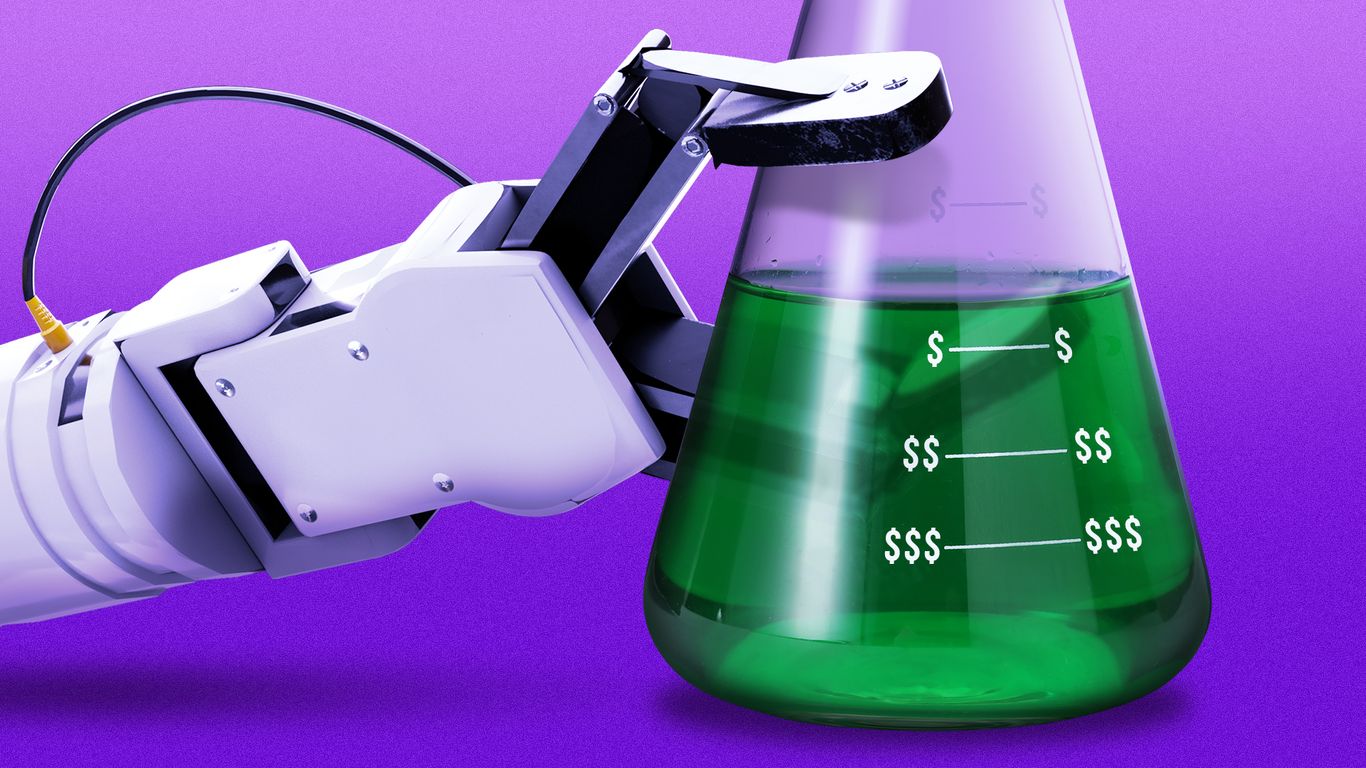
A new study found that artificial intelligence can help reduce costs in clinical trials for cancer treatments. The study showed that AI-powered tools can shave months off time-consuming processes and reduce direct operating costs by as much as $5.6 million in late-stage trials.
According to a study by the Tufts Center for the Study of Drug Development, AI agents can accelerate clinical development of cancer drugs by approximately 10 weeks. This can free up resources for more clinical studies and possibly lower the high failure rate for new drugs. The study found that the efficiencies increase with the number of tumors a drug can target, with an experimental treatment with 50 active uses potentially seeing net benefits of as much as $565 million.
The study used a clinical monitoring agent from Medable, which provides a platform to support clinical trials, and applied it to an unspecified oncology drug development program in phase 2 and 3 trials. Ken Getz, the Tufts center's executive director, said deploying the agent led to new efficiencies, such as reducing the number of on-site visits, accelerating enrollment in the trial, and locking in the data.
Medable officials say that AI agents could become standard features of some clinical trials in three to five years, operating like self-driving cars to tackle the grinding but necessary record-keeping that accompanies an application for new drug approval. The technology will enable clinical trial researchers to understand the safety and effectiveness of a drug earlier, allowing them to focus on more strategic work in drug development.
Go Deeper
How much can AI reduce costs in clinical trials?
According to the study, AI can reduce direct operating costs by as much as $5.6 million in late-stage trials. The efficiencies increase with the number of tumors a drug can target, with an experimental treatment with 50 active uses potentially seeing net benefits of as much as $565 million.
How does AI accelerate clinical development of cancer drugs?
AI agents can accelerate clinical development of cancer drugs by approximately 10 weeks, which can free up resources for more clinical studies and possibly lower the high failure rate for new drugs.
What are the potential benefits of using AI in clinical trials?
The potential benefits of using AI in clinical trials include reducing the number of on-site visits, accelerating enrollment in the trial, and locking in the data. AI can also help track the diversity of the trial population and enable clinical trial researchers to understand the safety and effectiveness of a drug earlier.
When will AI become a standard feature in clinical trials?
According to Medable officials, AI agents could become standard features of some clinical trials in three to five years, operating like self-driving cars to tackle the grinding but necessary record-keeping that accompanies an application for new drug approval.
Does AI guarantee a trial will be a success?
No, AI does not guarantee a trial will be a success. Some of the big challenges in clinical trials don't involve information processing, but revolve around finding the right patients, getting their consent, and making and distributing the drug. Humans also would presumably have to verify the AI agent's work, which could offset some of the overall time savings.
More health
 health50+
President Trump nominates Dr. Heidi Overton to lead the FDA
President Donald Trump said he will nominate Dr. Heidi Overton, deputy director of the White House Domestic Policy Council, as the next Food and Drug
Aug 23 health50+
Nashville hospital potassium mix-up leaves joint-surgery patients paralyzed
Tennessee authorities are investigating after four patients at Ascension Saint Thomas Midtown in Nashville received potassium instead of standard pain
Aug 23 health50+
Florida school ECG rule finds hidden heart defect in symptom-free athlete
A Florida high school athlete with no symptoms learned he had an atrial septal defect after an electrocardiogram required under the state's new Second
Aug 23