
Analyst says millions of barrels of Gulf oil remain shut in beyond Hormuz focus
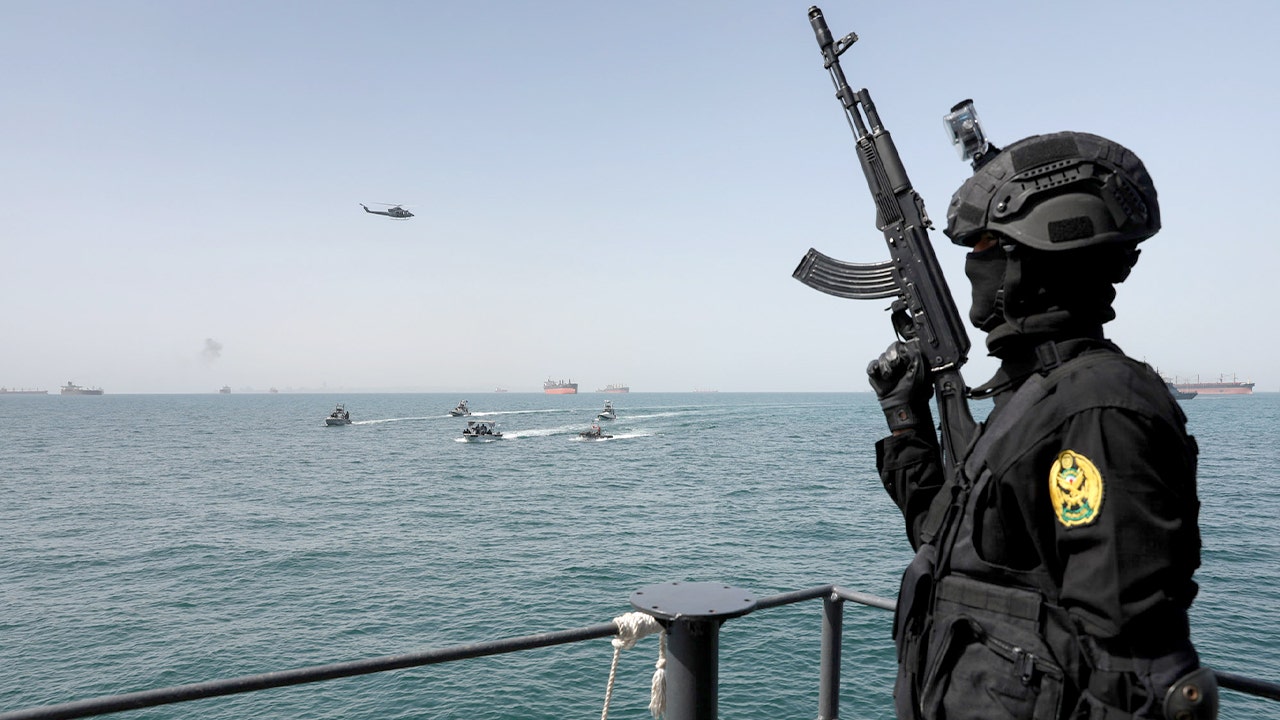
Petroleum geologist Art Berman told Fox News that about 8 million barrels a day of Persian Gulf production remain shut in and that restarting wells is harder than reopening the Strait of Hormuz. The International Energy Agency said July Gulf output was still 8.3 million barrels a day below pre-war levels.
Global attention stays fixed on tankers in the Strait of Hormuz, but petroleum geologist Art Berman told Fox News Digital the longer energy risk may be underground.
Berman, a consultant with more than four decades in the industry, said millions of barrels of Persian Gulf production remain shut in and that restoring those wells is not like flipping a switch. He put current Gulf shut-ins near 8 million barrels a day and said world production is down about 10 million barrels a day. "This is potentially a kind of a world-changing event, even if we resolve the political issues," he said.
His estimate lines up broadly with the International Energy Agency. In its Aug. 12 Oil Market Report, the IEA said Gulf oil production rose by another 2.5 million barrels a day in July to 23.9 million, still 8.3 million below pre-war levels. Global supply remained 6.3 million barrels a day below year-earlier levels.
The U.S. Energy Information Administration offered a lower July shut-in average of about 5.5 million barrels a day and warned Hormuz transit limits forced a higher August shut-in forecast. EIA expects patterns to move back toward pre-conflict conditions in early 2027, while saying some Gulf producers may not fully regain prior output in the forecast window.
A White House official, speaking on background, pointed to lower oil prices after a memorandum of understanding and said Hormuz is open with a U.S. naval blockade in effect. Berman's point is narrower: even if tankers move, fields that stayed offline can take months to restart, and some may never fully recover. That upstream gap, he argues, matters more for long-term prices than daily debates over how many tankers cleared the strait.
Go Deeper
What is Berman warning about?
That shut-in Persian Gulf wells, not only Hormuz tanker traffic, are the bigger long-term oil risk and may take months to restart.
What do official numbers say?
IEA said July Gulf output was still 8.3 million barrels a day below pre-war levels. EIA put July shut-ins near 5.5 million barrels a day.
Why is restarting hard?
Wells and fields left offline can face pressure, equipment, and reservoir problems. Berman says it is not like turning on a switch.
What does the White House say?
An official said oil prices fell after a recent MOU and that the Strait of Hormuz is open under a U.S. naval blockade.
How does this hit households?
Sustained lost supply can keep gasoline and heating costs jumpy and move energy stocks in retirement accounts.
More business
 business50+
U.S. 50 percent Canada tariffs take effect after trade talks break down
New U.S. 50 percent tariffs on about $20 billion in Canadian goods took effect after Prime Minister Mark Carney suspended talks and vowed dollar-for-d
Aug 22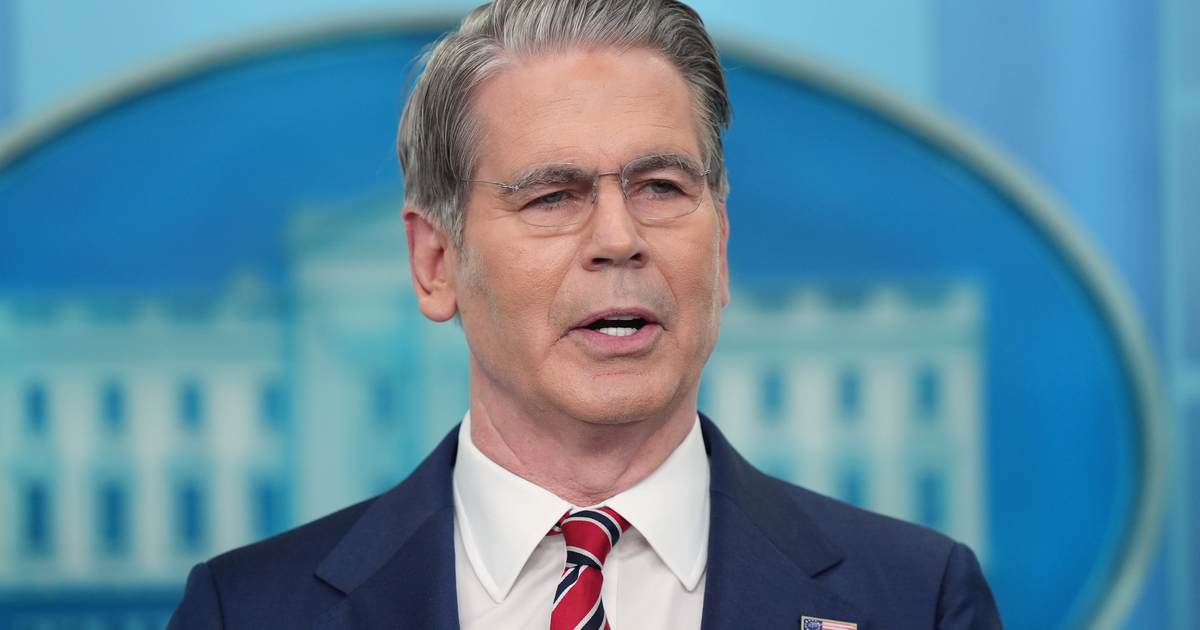 business50+
Treasury says U.S. can grow its way past $40 trillion national debt milestone
Gross federal debt topped $40 trillion this week. Treasury Secretary Scott Bessent told CNBC and reporters the figure is not magic and that growth plu
Aug 21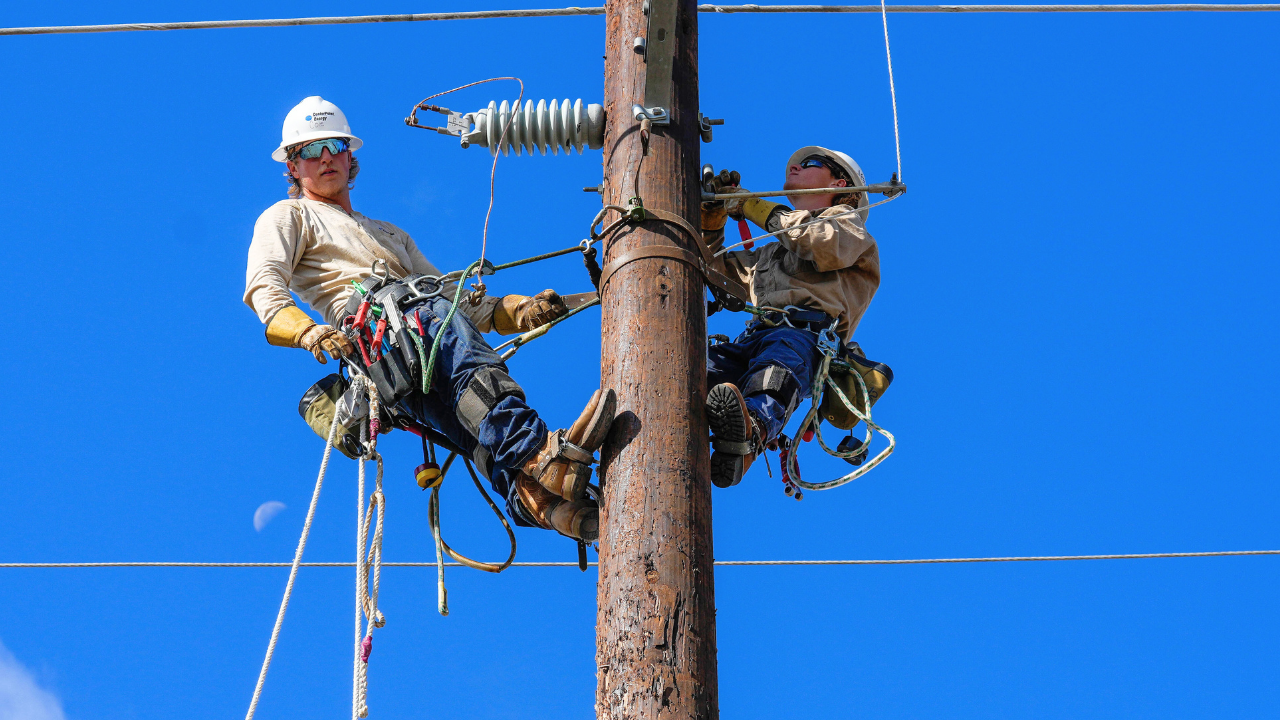 business50+
Dallas Fed says AI data centers already raise wholesale power costs 2 to 6 percent
Federal Reserve Bank of Dallas research finds existing AI data centers have pushed average wholesale electricity prices 2 to 6 percent higher nationwi
Aug 20