
Missouri couple brings dementia advocacy to rural medical deserts after early diagnosis

More than 7 million Americans 65 and older live with dementia, NPR reported. Bobby and Sandy Marshall of Poplar Bluff, Missouri, are pressing for earlier detection and stronger state coordination after Bobby's early-onset diagnosis.
POPLAR BLUFF, Mo. - More than 7 million Americans age 65 and older live with dementia, and about 13 million people provide unpaid care, NPR reported in a Midwest Newsroom feature on rural access gaps.
Bobby Marshall and his wife, Sandy, decided to get baseline cognitive testing after her father died of Lewy body dementia in 2014. She was 50 and he was 55. Sandy passed the screen. Bobby did not. Doctors diagnosed early-onset and atypical dementia and initially gave him about five to eight years. He has now lived with the diagnosis for 11 years and still golfs with friends.
The couple, both with medical backgrounds, researched treatments used in other countries and built a plan with a neurologist and a nutritionist. They later moved to Poplar Bluff, a city of about 16,000 in southeast Missouri that Bobby described as a medical desert. For a time they returned to Florida for appointments. After more than a year on a waitlist, they reached specialists at Washington University in St. Louis, a drive of nearly three hours each way.
David Olsen of the Alzheimer's Association Midwest and Central Plains office told NPR that government support is critical and that the disease cuts across politics and communities. Advocates have pushed states to create dementia service coordinator jobs that connect families to resources, especially in rural counties. Olsen said those posts now exist in Washington, D.C., and 33 states, including Missouri after the governor signed a healthcare bill creating a full-time role.
Early detection gave the Marshalls time to plan. Their story is one family's path, not a cure claim. For other households, the practical lesson is to seek assessment early, map the nearest specialty care, and use state coordinators when available.
Go Deeper
How common is dementia?
NPR cited more than 7 million Americans 65 and older living with dementia and about 13 million unpaid caregivers.
Who are Bobby and Sandy Marshall?
A Poplar Bluff, Missouri, couple who sought baseline cognitive testing and learned Bobby had early-onset atypical dementia. He is 11 years past diagnosis.
What is a medical desert in this story?
A place with few local dementia specialists. The Marshalls drive nearly three hours to St. Louis for care.
What are states doing?
Thirty-three states and Washington, D.C., have dementia service coordinator roles to connect families with resources, according to the Alzheimer's Association source in the piece.
What should families do first?
Ask a doctor about cognitive screening when memory or thinking changes worry you, and request a care plan that includes caregiver support.
More health
 health50+
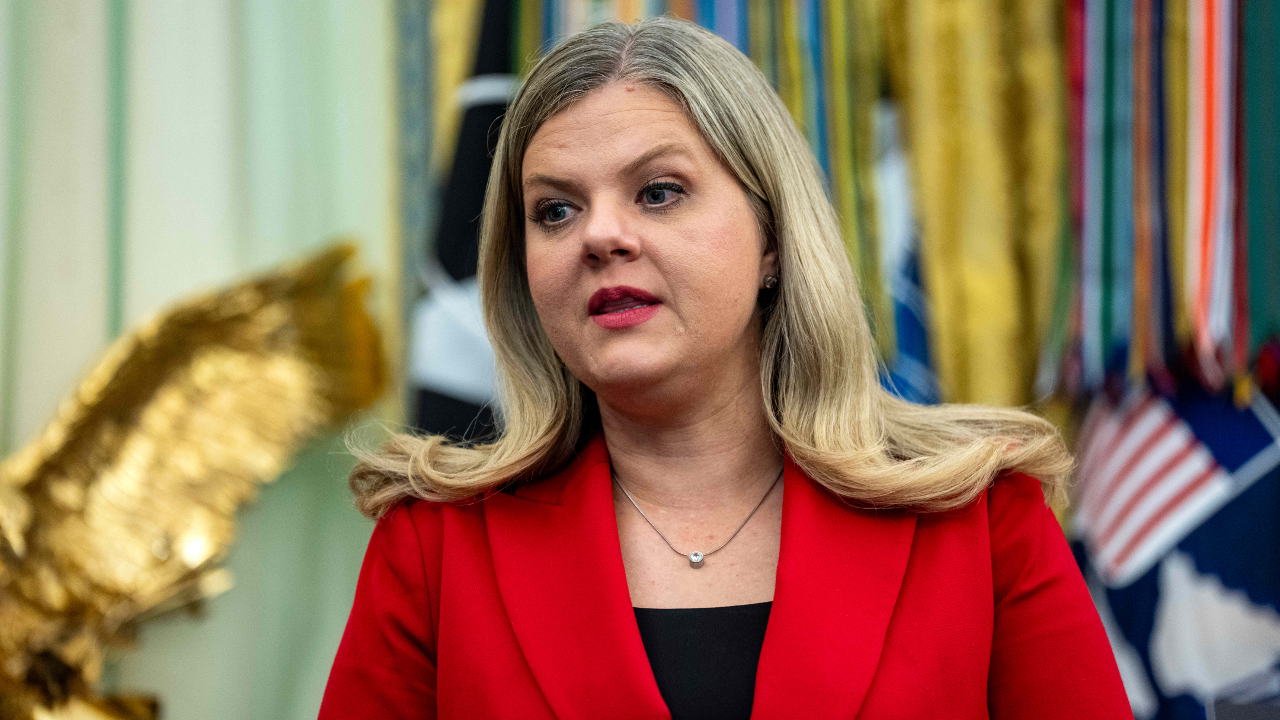
President Trump nominates Dr. Heidi Overton to lead the FDA
President Donald Trump said he will nominate Dr. Heidi Overton, deputy director of the White House Domestic Policy Council, as the next Food and Drug
Aug 23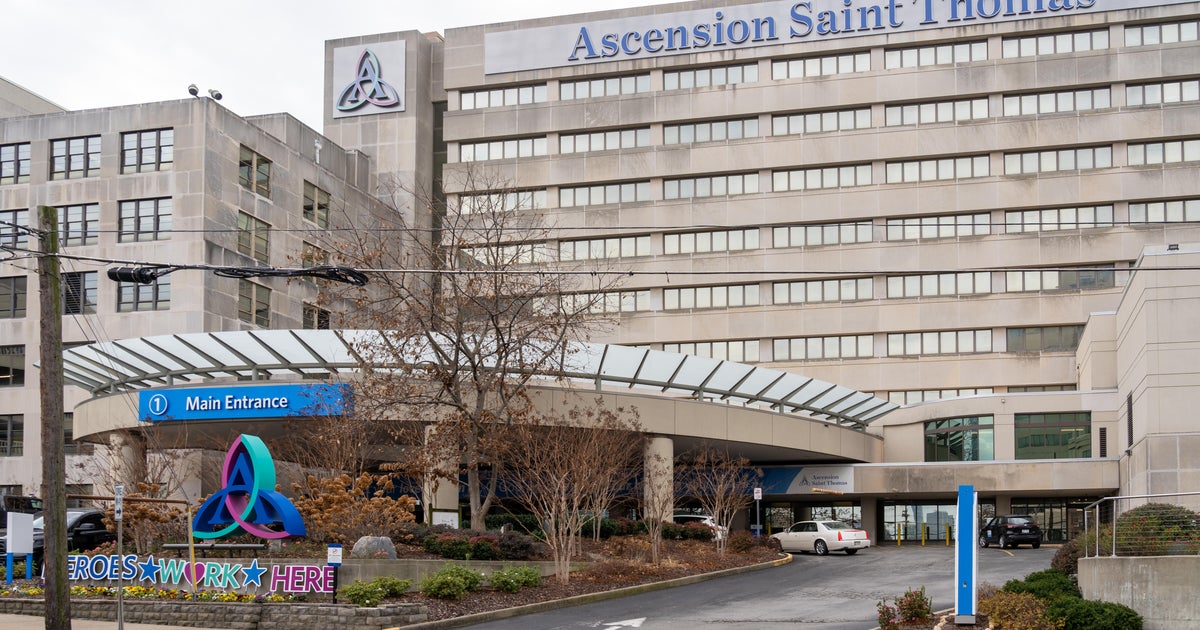 health50+
Nashville hospital potassium mix-up leaves joint-surgery patients paralyzed
Tennessee authorities are investigating after four patients at Ascension Saint Thomas Midtown in Nashville received potassium instead of standard pain
Aug 23 health50+
Florida school ECG rule finds hidden heart defect in symptom-free athlete
A Florida high school athlete with no symptoms learned he had an atrial septal defect after an electrocardiogram required under the state's new Second
Aug 23