
Bangladesh's Floating Schools Continue to Operate
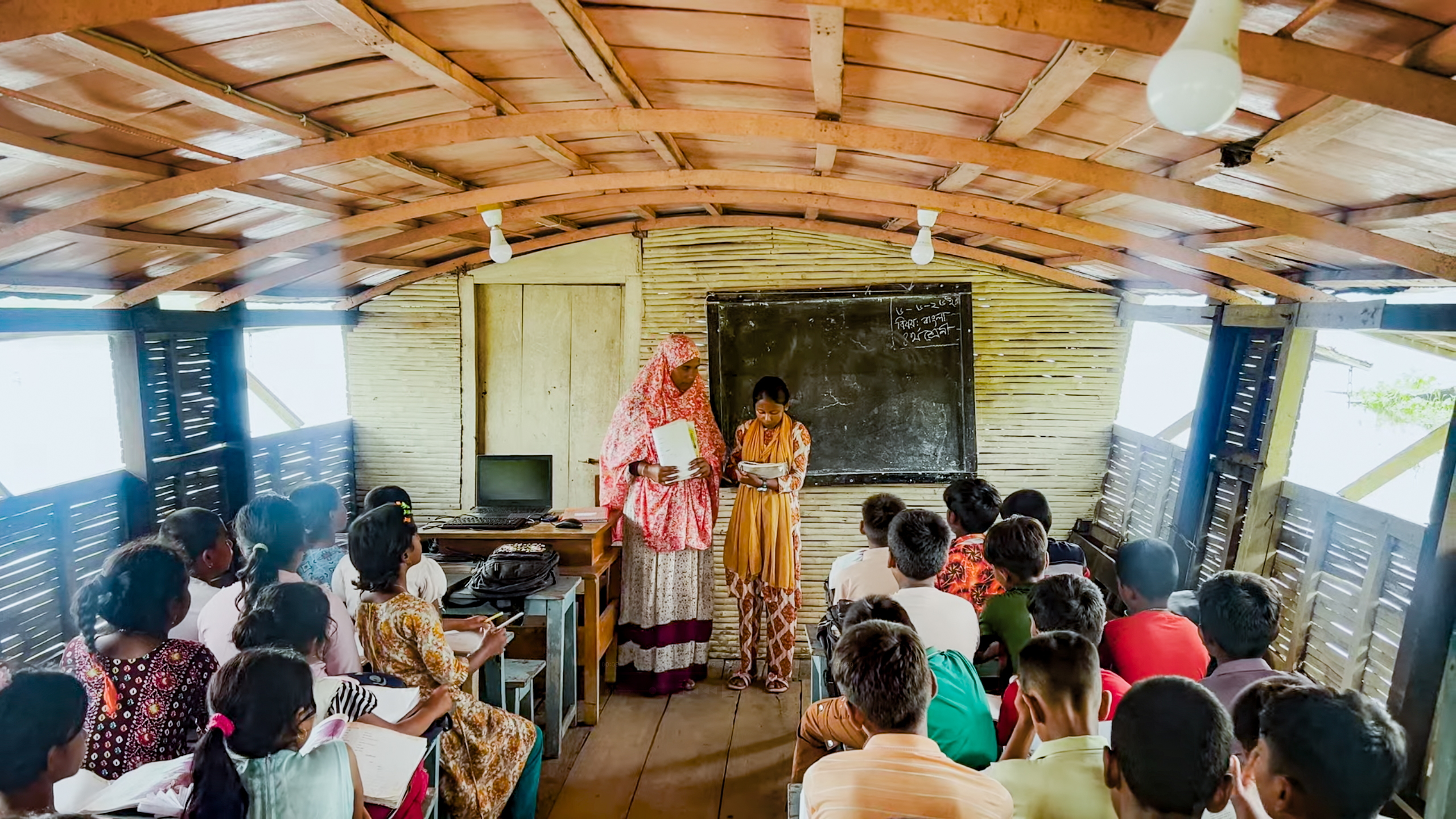
Bangladesh introduced floating schools to help children attend classes during monsoon season. The program has been in place for several years, providing education to students in flood-prone areas.
In Bangladesh, monsoon rains often make it difficult for children to safely travel to school. To address this issue, the country pioneered the concept of floating schools. These schools are designed to pick up students from their homes and provide them with an education, even when floodwaters are high. The idea was first introduced as a way to ensure that children in flood-prone areas could continue their education without interruption.
The floating schools have been in operation for several years, with some reports indicating that they have been successful in providing education to students who would otherwise be unable to attend school. However, there is limited information available on the current status of the program.
According to available data, the floating schools have helped to increase access to education for children in rural areas of Bangladesh. The schools are typically equipped with basic amenities, including classrooms, libraries, and sanitation facilities.
The concept of floating schools has also attracted attention from other countries, with some expressing interest in replicating the model. However, the success of the program in Bangladesh will depend on various factors, including funding, infrastructure, and community support.
Overall, the floating schools of Bangladesh have provided a unique solution to the problem of accessing education during monsoon season. While there may be challenges to overcome, the program has shown promise in increasing access to education for children in flood-prone areas.
Go Deeper
What inspired the idea of floating schools in Bangladesh?
The idea of floating schools was inspired by the need to provide education to children in flood-prone areas during monsoon season. The monsoon rains often make it difficult for children to safely travel to school, and the floating schools were designed to address this issue.
How do the floating schools operate?
The floating schools are designed to pick up students from their homes and provide them with an education. The schools are typically equipped with basic amenities, including classrooms, libraries, and sanitation facilities.
Have the floating schools been successful?
According to available data, the floating schools have helped to increase access to education for children in rural areas of Bangladesh. However, there is limited information available on the current status of the program.
Could the concept of floating schools be replicated in other countries?
Yes, the concept of floating schools has attracted attention from other countries, with some expressing interest in replicating the model. However, the success of the program will depend on various factors, including funding, infrastructure, and community support.
What are the challenges facing the floating schools program in Bangladesh?
The challenges facing the floating schools program in Bangladesh include funding, infrastructure, and community support. Additionally, the program may face challenges related to maintaining the quality of education and ensuring the safety of students and staff.
More world
Japanese Atomic Bomb Survivors Awarded Nobel Peace Prize
The Nobel Peace Prize has been awarded to Japanese atomic bomb survivors. This award recognizes their efforts to promote peace and nuclear disarmament
Sep 6 world
worldClimate Change Expected to Increase Flight Disruptions
Climate change is anticipated to cause more flight delays and diversions. This may require passengers to accept increased travel disruptions.
Sep 6 world
worldDaniel Craig Successor Announcement Expected Soon
An announcement about Daniel Craig's successor as James Bond may be coming soon. Fans are eagerly awaiting news about who will play the iconic charact
Sep 6