
DIY Plug-in Solar Systems Gain Popularity in the US

DIY plug-in solar systems are becoming increasingly popular in the US, offering a convenient and affordable way for homeowners to generate their own renewable energy. These systems allow users to easily install and connect solar panels to the grid without extensive technical knowledge.
The DIY plug-in solar market is growing rapidly in the US, driven by advances in technology and decreasing costs. Homeowners are now able to purchase plug-in solar panels that can be easily installed and connected to the grid, providing a simple and affordable way to generate renewable energy. These systems typically include a solar panel, an inverter, and a plug that connects directly to a standard electrical outlet. The plug-in solar systems are designed to be user-friendly, allowing homeowners to monitor and control their energy production remotely. As the demand for renewable energy continues to grow, DIY plug-in solar systems are likely to play an increasingly important role in the US energy market. According to industry experts, the convenience and affordability of these systems are key factors driving their adoption. The growth of the DIY plug-in solar market is also expected to create new opportunities for companies that manufacture and distribute these systems.
The benefits of DIY plug-in solar systems extend beyond the environmental benefits of renewable energy. They also provide homeowners with a way to reduce their energy bills and increase their energy independence. With the cost of solar panels decreasing and the technology becoming more efficient, DIY plug-in solar systems are becoming a viable option for many homeowners. As the technology continues to evolve, it is likely that we will see even more innovative solutions for renewable energy generation.
Go Deeper
What is a DIY plug-in solar system?
A DIY plug-in solar system is a type of solar panel system that can be easily installed and connected to the grid by a homeowner, without requiring extensive technical knowledge. These systems typically include a solar panel, an inverter, and a plug that connects directly to a standard electrical outlet.
How do DIY plug-in solar systems work?
DIY plug-in solar systems work by converting sunlight into electrical energy, which is then fed into the grid through a standard electrical outlet. The systems are designed to be user-friendly, allowing homeowners to monitor and control their energy production remotely.
What are the benefits of DIY plug-in solar systems?
The benefits of DIY plug-in solar systems include the environmental benefits of renewable energy, reduced energy bills, and increased energy independence. They also provide a convenient and affordable way for homeowners to generate their own renewable energy.
Are DIY plug-in solar systems expensive?
The cost of DIY plug-in solar systems has decreased significantly in recent years, making them a more viable option for many homeowners. The cost of the systems will vary depending on the size and type of system, as well as the manufacturer and distributor.
Can anyone install a DIY plug-in solar system?
While DIY plug-in solar systems are designed to be user-friendly, it is still important for homeowners to follow the manufacturer's instructions and take necessary safety precautions when installing the system. It is also recommended that homeowners check with their local utility company to ensure that the system is compatible with the grid.
More technology
 technology
Boox to Release Picco E-Reader in November
Boox's new e-reader, the Picco, is set to be released in November. The device was first teased in July, but details were scarce until recent reporting
Sep 6 technology
Fairphone Releases New Midrange Android Phone
Fairphone has released the Fairphone 6 Plus, a midrange Android phone with a focus on ethical sourcing and repairability. The phone offers a balance o
Sep 6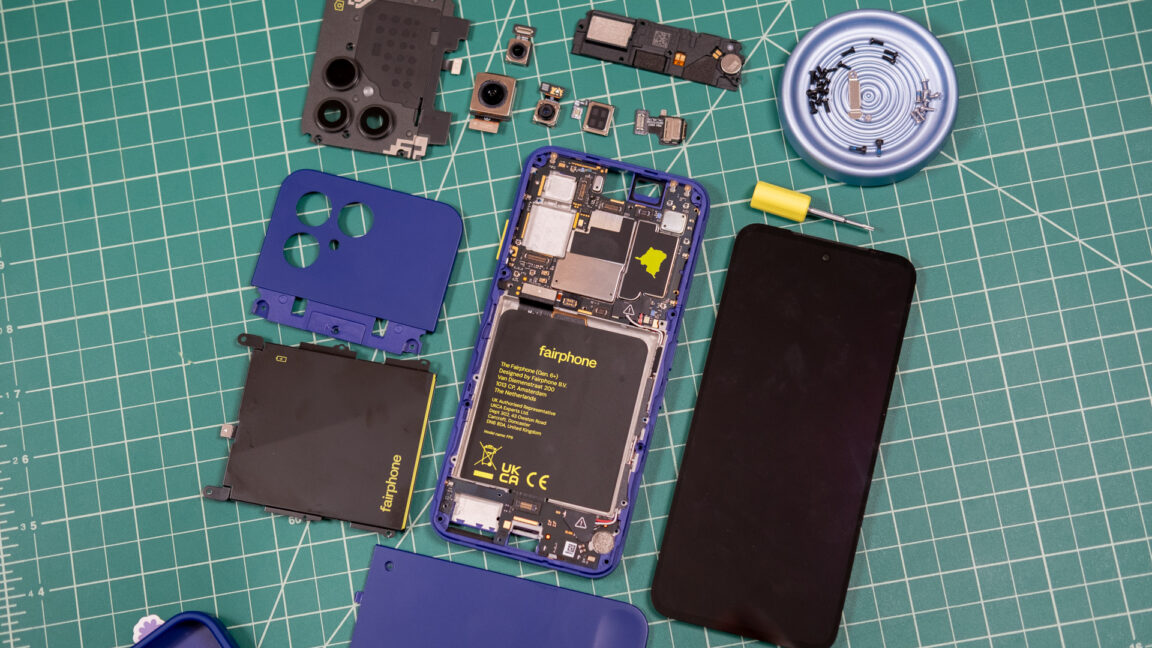 technology
Fairphone Releases Repairable Smartphone Model
Fairphone has introduced the Fairphone Gen 6+, a smartphone designed with repairability and ethical considerations in mind. The company's CTO discusse
Sep 6