
Federal Reserve May Raise Rates If Inflation Target Not Met
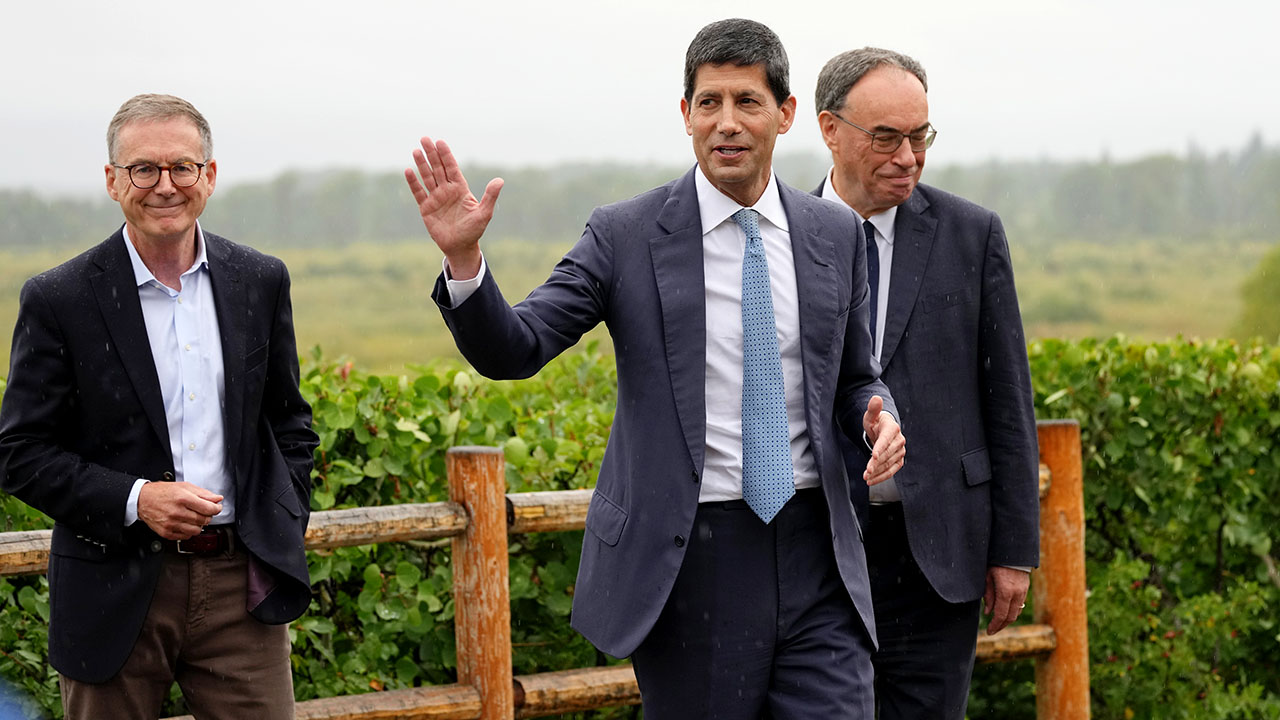
The Federal Reserve may raise interest rates if inflation does not reach its 2% target. This signal was sent by Kevin Warsh's keynote speech at the Jackson Hole Symposium.
Kevin Warsh's speech at the Jackson Hole Symposium indicated that the Federal Reserve is prepared to take action if inflation fails to meet its target. The Fed has set a 2% target for personal consumption expenditures (PCE) inflation. Warsh's comments suggest that the central bank is watching inflation closely and will adjust interest rates accordingly.
The Federal Reserve uses the PCE index as its primary measure of inflation. If PCE inflation does not reach the 2% target, the Fed may raise interest rates to combat inflation. This would be a shift from the current monetary policy stance.
Warsh's speech was closely watched by economists and investors, who are trying to gauge the direction of interest rates. The Fed's next move on interest rates will depend on various economic factors, including inflation and employment data.
Go Deeper
What is the current inflation target of the Federal Reserve?
The Federal Reserve's current inflation target is 2% for personal consumption expenditures (PCE) inflation. This target is used to guide monetary policy decisions, including setting interest rates.
What is the PCE index and why is it important?
The PCE index is a measure of inflation that tracks the prices of goods and services consumed by households. It is the Federal Reserve's primary measure of inflation and is used to evaluate the effectiveness of monetary policy.
How does the Federal Reserve use interest rates to combat inflation?
The Federal Reserve uses interest rates to combat inflation by raising rates when inflation is too high and lowering rates when inflation is too low. Higher interest rates make borrowing more expensive, which can help reduce inflation by slowing down economic growth.
What are some of the economic factors that influence the Federal Reserve's decisions on interest rates?
The Federal Reserve considers a range of economic factors when making decisions on interest rates, including inflation data, employment rates, and economic growth. The Fed also monitors global economic trends and financial market conditions.
Why is Kevin Warsh's speech at the Jackson Hole Symposium significant?
Kevin Warsh's speech at the Jackson Hole Symposium is significant because it provides insight into the Federal Reserve's thinking on monetary policy and interest rates. The speech is closely watched by economists and investors, who use it to gauge the direction of interest rates and make informed investment decisions.
More business
Novartis Increases Sales and Profit Guidance for 2024
Novartis has raised its sales and profit guidance for the year. The company's updated forecast reflects its current performance and expectations for t
Sep 5businessWingstop's Stock Falls 12% After Earnings Report
Wingstop's stock price decreased by 12% following the release of its earnings report. The company's profit was lower than expected, leading to the dec
Sep 5businessBurberry Shares Increase Following Report of Potential Moncler Bid
Burberry's shares have risen after a report suggested that Moncler may bid for the company. The potential bid has sparked interest in Burberry's stock
Sep 5