
JD Vance Refuses to Set Timeline on Iran Conflict
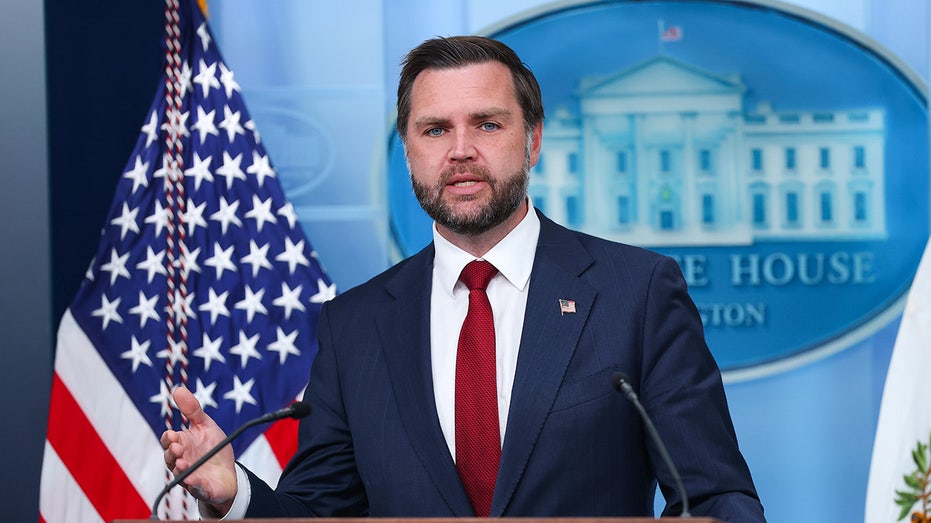
JD Vance will not set a timeline for the conflict with Iran, citing recent attacks and a shift from diplomacy to military pressure. This decision keeps US forces engaged in the region.
JD Vance has stated that he will not put a clock on the Iran conflict. He cited the recent attacks on the Strait of Hormuz as a reason for this decision. The Strait of Hormuz is a critical waterway for international oil trade, and attacks there have raised concerns about the stability of the region. Vance also mentioned a full pivot from diplomacy to military pressure as a factor in his decision. This shift in approach means that the US will focus more on military actions rather than diplomatic efforts to resolve the conflict. As a result, US forces will remain engaged in the region. The situation with Iran remains a key issue for the US, and Vance's decision reflects the complexity and uncertainty of the conflict. The US has been involved in the region for some time, and it is unclear how long the conflict will last. Vance's refusal to set a timeline means that the US will continue to take a flexible approach to the situation.
Go Deeper
What is the Strait of Hormuz?
The Strait of Hormuz is a narrow waterway that connects the Persian Gulf to the Gulf of Oman. It is a critical route for international oil trade, with many tankers passing through the strait every day.
Why is the US involved in the conflict with Iran?
The US is involved in the conflict with Iran due to a range of factors, including concerns about Iran's nuclear program, its support for militant groups, and its actions in the region, such as the attacks on the Strait of Hormuz.
What does a pivot from diplomacy to military pressure mean?
A pivot from diplomacy to military pressure means that the US will focus more on using military force to achieve its goals, rather than relying on diplomatic efforts such as negotiations and dialogue.
How long has the US been involved in the region?
The US has been involved in the region for some time, with troops and military assets deployed in several countries, including Iraq and Afghanistan.
What are the implications of not setting a timeline for the conflict?
Not setting a timeline for the conflict means that the US will continue to take a flexible approach to the situation, with the ability to adjust its strategy as needed. This approach can be beneficial in complex and uncertain conflicts, but it can also make it difficult to measure progress or determine when the conflict is over.
More politics
 politics
Lindsay Clancy Jury Deliberations Continue
The jury in the Lindsay Clancy case has completed its sixth day of deliberations without reaching a verdict. Deliberations are set to resume on Friday
Sep 4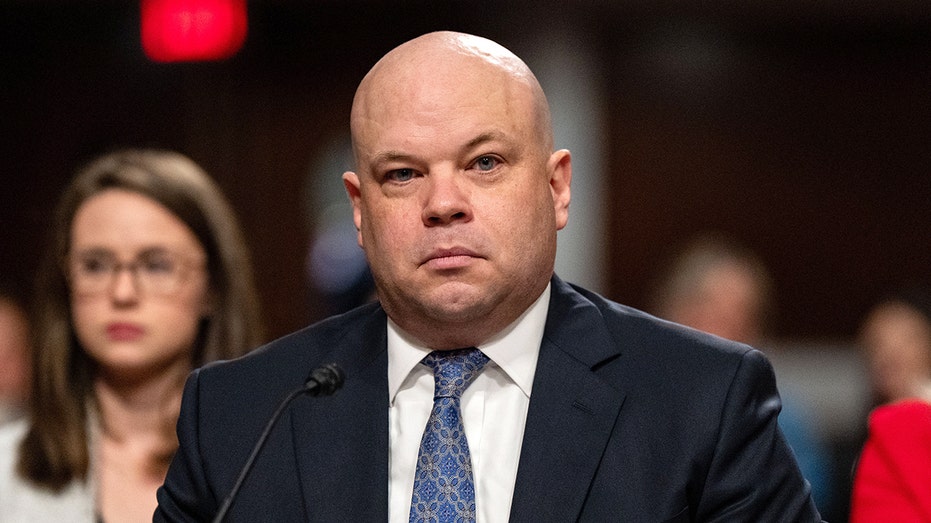 politics
Adam Telle Named Acting Secretary of the Army
Adam Telle has been named the acting secretary of the Army following the resignation of Dan Driscoll. Driscoll's resignation comes amid reported disag
Sep 4 politics
Rep Ralph Norman to Support Sen Darline Graham in General Election
Rep Ralph Norman announced his support for Sen Darline Graham in the upcoming general election. Norman and Graham previously competed in the South Car
Sep 3