
Job Hunting Process Becomes More Automated and Lengthy
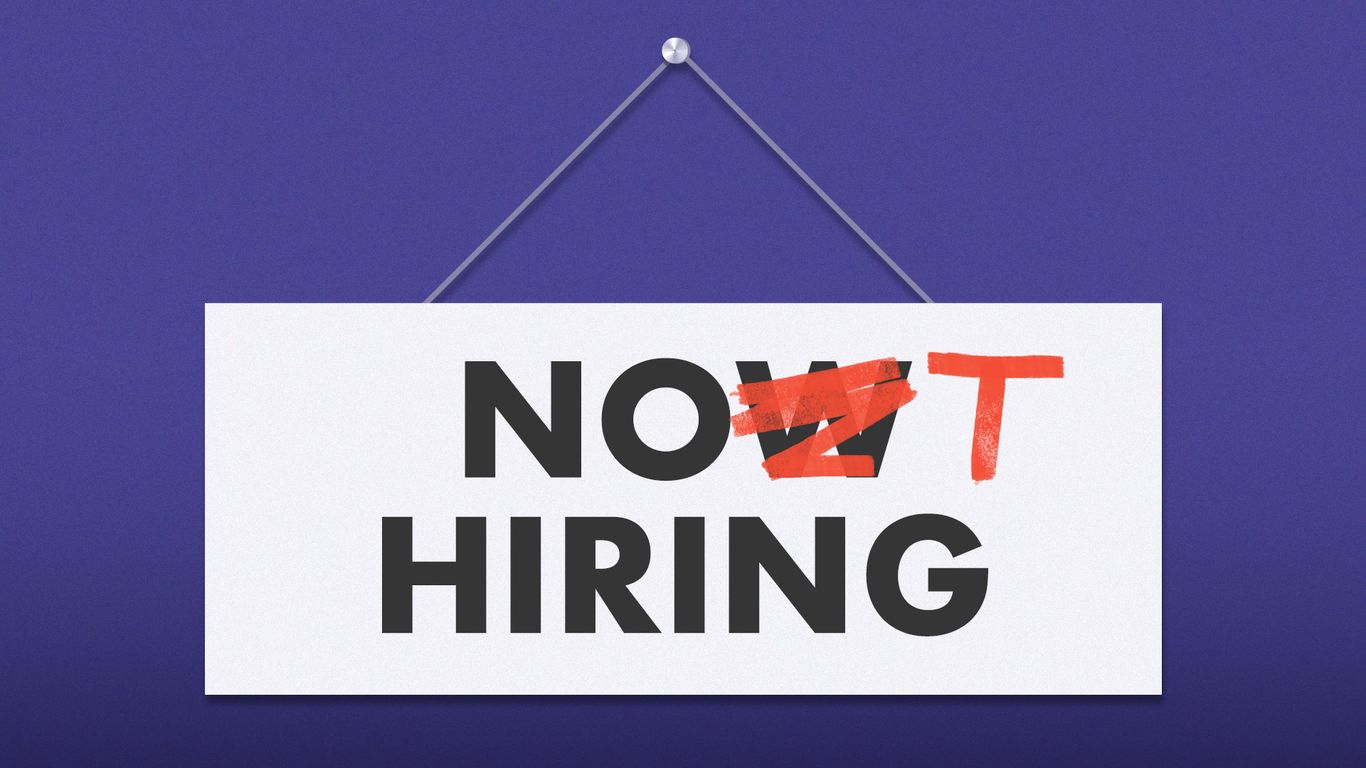
The job hunting process has become more automated, with many applicants using chatbots to apply for jobs and employers using AI to screen candidates. This has led to a longer hiring process and decreased trust in the job market. According to recent data, 46% of candidates say their faith in the hiring process has decreased, and it takes almost 25% longer to fill an open role today than before the pandemic.
The job hunting process has undergone significant changes in recent years, with technology playing a major role in the transformation. Applicants can now quickly send their resumes to dozens of jobs using chatbots or easy-apply features, while employers use AI-powered tools to screen and sort through the flood of applications. However, this increased automation has also led to a longer hiring process and decreased trust in the job market. Gorick Ng, a Harvard career advisor and UC Berkeley faculty member, notes that candidates are experiencing burnout and systemic cynicism, assuming that every job posting is fake and every rejection is automated.
The use of AI in the hiring process has become rampant, with recruiters processing roughly 291 applications per hire, compared to around 100 in early 2021. About 63% of US applicants have been interviewed by an AI system, and 38% say they've walked away from a job because it included an AI interview. Additionally, ghost jobs, or jobs that companies aren't actively trying to fill, make up around 18-22% of posted jobs in a typical quarter. These ghost jobs can be used to build a future applicant pool, signal continued growth to investors, or remind workers that they're replaceable.
The increased use of AI-powered resume filters has also sparked concerns about discrimination, with some lawsuits alleging that these tools can prevent applications from ever reaching a human. Despite these concerns, about 49% of hiring managers say that using AI in the hiring process has improved candidate quality. However, the lack of transparency into how these tools work has led to decreased trust in the hiring process, with candidates wondering if they've been ghosted or if their applications have been unfairly rejected.
Go Deeper
What is the current state of the job market?
The job market is currently experiencing a longer hiring process and decreased trust in the hiring process, with many applicants using chatbots to apply for jobs and employers using AI to screen candidates.
How has technology changed the job hunting process?
Technology has made it easier for applicants to quickly send their resumes to dozens of jobs, but it has also led to a longer hiring process and decreased trust in the job market.
What are ghost jobs and how common are they?
Ghost jobs are jobs that companies aren't actively trying to fill, and they make up around 18-22% of posted jobs in a typical quarter. They can be used to build a future applicant pool, signal continued growth to investors, or remind workers that they're replaceable.
How has the use of AI in the hiring process affected candidates?
The use of AI in the hiring process has led to decreased trust in the hiring process, with candidates wondering if they've been ghosted or if their applications have been unfairly rejected. About 46% of candidates say their faith in the hiring process has decreased.
What are the benefits and drawbacks of using AI in the hiring process?
About 49% of hiring managers say that using AI in the hiring process has improved candidate quality, but the lack of transparency into how these tools work has led to decreased trust in the hiring process and concerns about discrimination.
More business
Kazatomprom Reports 17% Increase in Production
Kazatomprom has announced a 17% increase in production during the third quarter. This increase reflects the company's recent activities and market tre
Sep 1businessGeneral Motors Unveils Electric Cadillac Vistiq
General Motors has introduced a new all-electric Cadillac model called the Vistiq. The Vistiq has a range of 300 miles on a single charge.
Sep 1businessTrump Asks Supreme Court to Pause TikTok Ban
The Trump administration has asked the Supreme Court to pause a ban on TikTok. The request is part of an ongoing legal battle over the app's ownership
Sep 1