
Judge Blocks Pentagon's Designation of Anthropic as Supply-Chain Risk
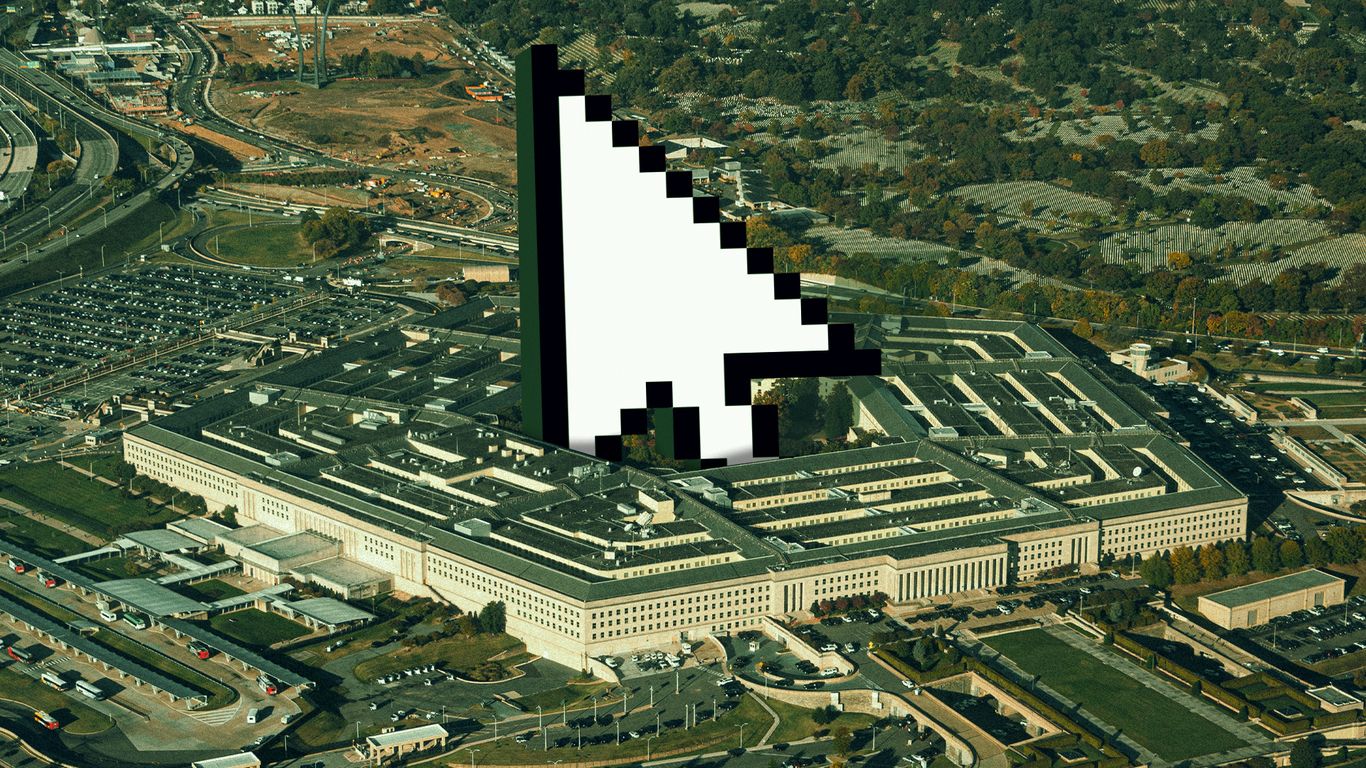
A federal judge has ruled that the Pentagon's designation of Anthropic as a supply-chain risk was unlawful, citing violations of the company's constitutional rights. The decision marks a major victory for Anthropic in its dispute with the government over the use of its AI models.
A federal judge on Thursday struck down the Pentagon's blacklisting of Anthropic as a supply-chain risk, ruling that the government's actions violated Anthropic's constitutional rights. U.S. District Judge Rita Lin ruled that the Pentagon's designation of Anthropic was unlawful, stating that the government's invocation of national security was not a valid reason to punish the company. The Pentagon had designated Anthropic as a supply-chain risk earlier this year, after the company refused to allow the military to use its AI models for certain purposes, including mass surveillance of Americans and fully autonomous weapons.
The dispute between Anthropic and the Pentagon began when the Defense Department sought to use Anthropic's AI model, Claude, for all lawful purposes, including sensitive military and intelligence applications. Anthropic insisted that certain areas remain off-limits, leading to a standoff between the two parties. The Pentagon ultimately designated Anthropic as a national security and supply-chain risk, prompting the company to sue. In her 59-page decision, Judge Lin noted that the Pentagon continued to pursue work with Anthropic even after the designation, which she said was inconsistent with a genuine fear that Anthropic posed a threat to national security.
Anthropic has welcomed the court's ruling, stating that it remains focused on working with the government to harness AI for national security. The government is expected to appeal the ruling, and Anthropic is also fighting a separate Pentagon designation under a different statute in the D.C. Circuit.
Go Deeper
What was the basis for the Pentagon's designation of Anthropic as a supply-chain risk?
The Pentagon designated Anthropic as a supply-chain risk after the company refused to allow the military to use its AI models for certain purposes, including mass surveillance of Americans and fully autonomous weapons.
What was the outcome of the court case?
The court ruled that the Pentagon's designation of Anthropic as a supply-chain risk was unlawful, citing violations of the company's constitutional rights.
What are the implications of the court's ruling?
The ruling marks a major victory for Anthropic in its dispute with the government over the use of its AI models, and may have implications for the development and use of AI technology in the military and intelligence communities.
What is Anthropic's position on the use of its AI models?
Anthropic has stated that it is willing to work with the government to harness AI for national security, but insists that certain areas, such as mass surveillance of Americans and fully autonomous weapons, remain off-limits.
What is the next step in the case?
The government is expected to appeal the ruling, and Anthropic is also fighting a separate Pentagon designation under a different statute in the D.C. Circuit.
More politics
 politics
CIA Director John Ratcliffe Proposes Trump-Putin-Zelensky Summit
CIA Director John Ratcliffe proposed a trilateral meeting between President Trump, Russian President Putin, and Ukrainian President Zelensky during hi
Sep 5 politics
Beverly Vance Discusses 'Hillbilly Elegy' Film Rights Payment
Beverly Vance, mother of JD Vance, has spoken about the payment she received for the film rights to 'Hillbilly Elegy'. She expressed satisfaction with
Sep 5 politics
Patrick Clancy Comments on Prospect of Another Trial
Patrick Clancy spoke out after a hung jury led to a mistrial in his wife Lindsay Clancy's murder case. He expressed concerns about the possibility of
Sep 5