
Lindsay Clancy Jury Receives Tuey-Rodriguez Charge
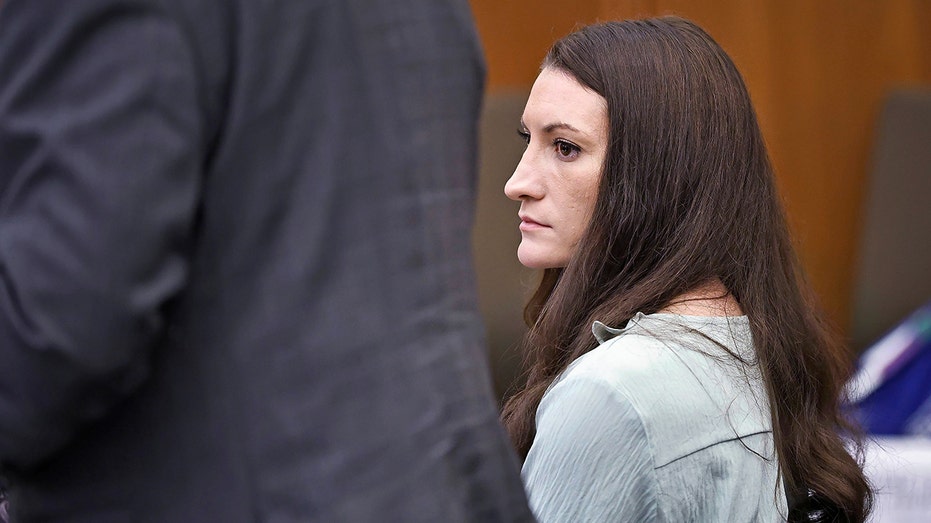
The jury in the Lindsay Clancy case has received a Tuey-Rodriguez charge after being deadlocked. A retired judge has commented on the potential impact of social media on a possible retrial.
The jury in the Lindsay Clancy case has been given a Tuey-Rodriguez charge, which is an instruction given to a deadlocked jury to encourage them to reach a verdict. This development comes as a retired judge has warned that social media could potentially give Clancy's defense an advantage in a retrial. The judge's comment highlights the challenges of ensuring a fair trial in the age of social media, where information and opinions can spread quickly. A retrial has not been officially announced, but the possibility is being considered. The Tuey-Rodriguez charge is a standard procedure in such cases, aiming to help the jury break the deadlock and reach a decision. The impact of social media on the case and any potential retrial remains to be seen, but it is an aspect that the court will likely take into consideration. The case has garnered significant attention, and the role of social media in shaping public opinion and potentially influencing the trial is a concern for the legal system.
Go Deeper
What is a Tuey-Rodriguez charge?
A Tuey-Rodriguez charge is an instruction given to a deadlocked jury, encouraging them to re-examine the evidence and try to reach a verdict. It is a standard procedure in cases where the jury is having difficulty reaching a decision.
How could social media impact a retrial?
Social media could potentially impact a retrial by influencing public opinion and potentially the jury's decision. It could also be used by the defense to gather support and build a case.
Has a retrial been officially announced?
No, a retrial has not been officially announced. However, the possibility is being considered, and the court is taking steps to prepare for it.
What are the challenges of ensuring a fair trial in the age of social media?
One of the main challenges is ensuring that the jury is not influenced by information and opinions spread on social media. The court must take steps to minimize the impact of social media on the trial and ensure that the jury reaches a decision based solely on the evidence presented.
How does the court minimize the impact of social media on a trial?
The court can take several steps to minimize the impact of social media, including instructing the jury to avoid social media and not to discuss the case with anyone outside the courtroom. The court can also use other measures, such as sequestration, to limit the jury's exposure to external information.
More politics
 politics
Canada Faces Deadline in Trade Deal with United States
Canada is approaching a September 7 deadline for a trade deal with the United States. Expert Gary Mar has warned that Canada may face significant chal
Sep 2 politics
Supreme Court allows White House ballroom construction to proceed
The Supreme Court has ruled 5-4 to allow the construction of a White House ballroom to proceed. The decision comes after a lawsuit was filed by the Na
Sep 2 politics
Darline Graham Wins South Carolina GOP Senate Runoff
Darline Graham, endorsed by President Trump, has won the Republican nomination for the Senate seat in South Carolina. She will face Democrat Annie And
Sep 2