
North Carolina teen dies of rare Naegleria fowleri brain infection after Louisiana girl dies
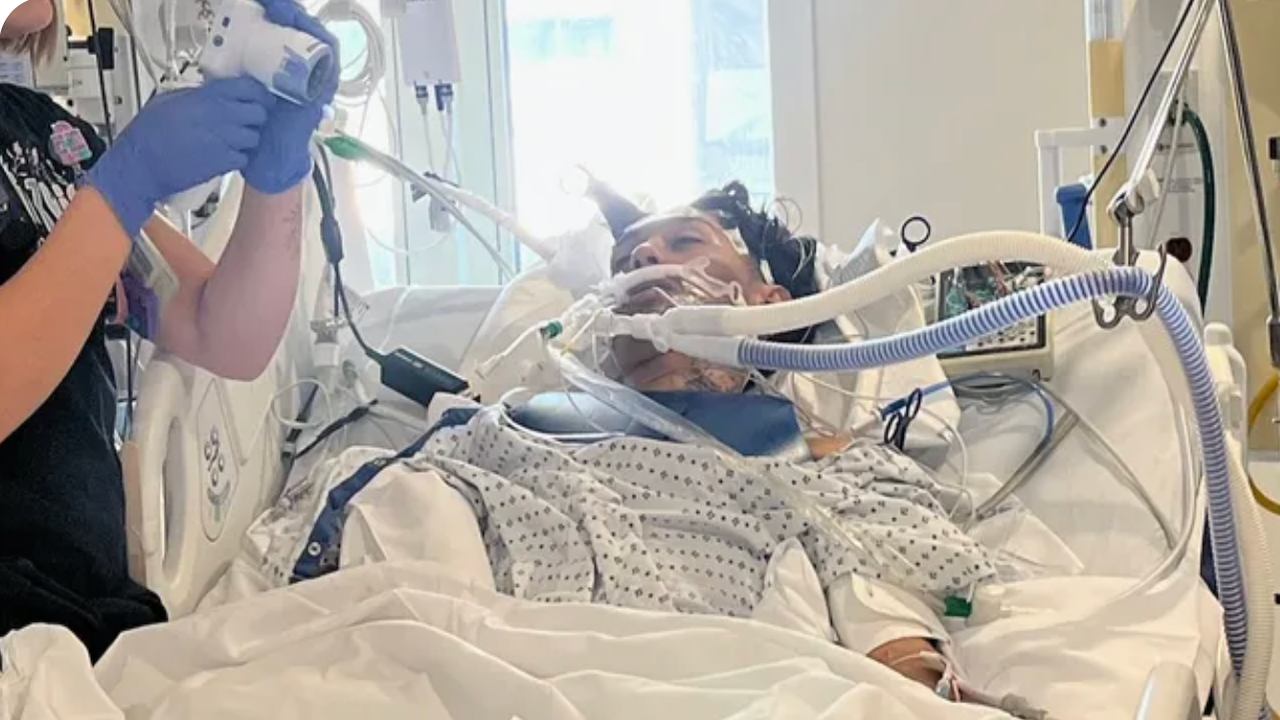
North Carolina health officials said a teenager died from Naegleria fowleri, the warm-freshwater amoeba that causes a nearly always fatal brain infection. The case followed the death of an 8-year-old girl in Louisiana from the same rare illness.
RALEIGH, N.C. - A North Carolina teenager died from a rare brain infection caused by Naegleria fowleri, state health officials said, according to Fox News. The death came days after an 8-year-old girl in Louisiana died of the same infection.
Naegleria fowleri lives in warm freshwater such as ponds, lakes and rivers. It causes primary amebic meningoencephalitis, often called PAM. The Centers for Disease Control and Prevention says the illness is very rare and almost always fatal. Infection happens when water containing the amoeba is forced up the nose, letting it travel to the brain. Swallowing the water does not cause the disease, and it does not spread person to person.
Dr. Jeffrey Kahn, chief of pediatric infectious diseases at UT Southwestern and Children's Health in Dallas, told Fox News Digital the organism thrives when weather is hot, rain is scarce and lakes grow stagnant and warm. Early symptoms can include headache, nausea, fever and vomiting about five days after exposure, though the window can run from one to 12 days. Confusion, stiff neck, seizures and coma can follow. Most patients die within days after symptoms begin.
North Carolina State Epidemiologist Dr. Zack Moore said the cases are a reminder that the amoeba is present in the state and across the United States, and that swimmers can take steps to lower risk. Kahn advised nose clips, keeping the head above water and avoiding stirring bottom sediment where the organism can live in soil.
Diagnosis often requires a spinal tap and specialized lab testing. Treatment may combine drugs such as amphotericin B, azithromycin, rifampin and miltefosine, but Kahn said the disease is usually too advanced once the brain is invaded. Anyone with sudden headache, fever, stiff neck or vomiting after warm freshwater swimming should seek care right away, the CDC says.
Go Deeper
How do people get infected?
Warm freshwater forced up the nose during diving, jumping or water sports. Drinking the water is not the route. The infection does not pass from person to person.
How common is it?
Very rare. Officials still warn because once symptoms appear, the death rate is close to 100%.
What are early warning signs?
Headache, fever, nausea or vomiting, often about five days after exposure. Stiff neck, confusion and seizures can follow quickly.
How can swimmers cut risk?
Wear a nose clip, keep your head above water in warm lakes and ponds, and avoid stirring bottom sediment. Cooler, well-circulated water is less favorable to the amoeba.
Is there a reliable cure?
Doctors use antimicrobial combinations, but survival remains uncommon once the infection reaches the brain. Speed to medical care is critical.
More health
 health50+
Tim Curry's Death Caused by Coronary Artery Disease
Tim Curry's cause of death has been revealed as coronary artery disease. Stroke and kidney cancer were listed as contributing factors, according to pu
Sep 3 health50+
Expert Discusses Gut-Brain Connection on Healthful Podcast
Dr. Trisha Pasricha talks about the link between food and disease on the Healthful podcast. She discusses various topics related to the gut-brain conn
Sep 2 health50+
Oral compound TOFA cuts mouse body weight about 18% without cutting appetite or lean mass
UC Berkeley researchers reported in Science Advances that an oral compound called TOFA raised energy burn in obese mice and cut body weight about 18%
Sep 2