
US Establishes Backchannel to Iran's Revolutionary Guard
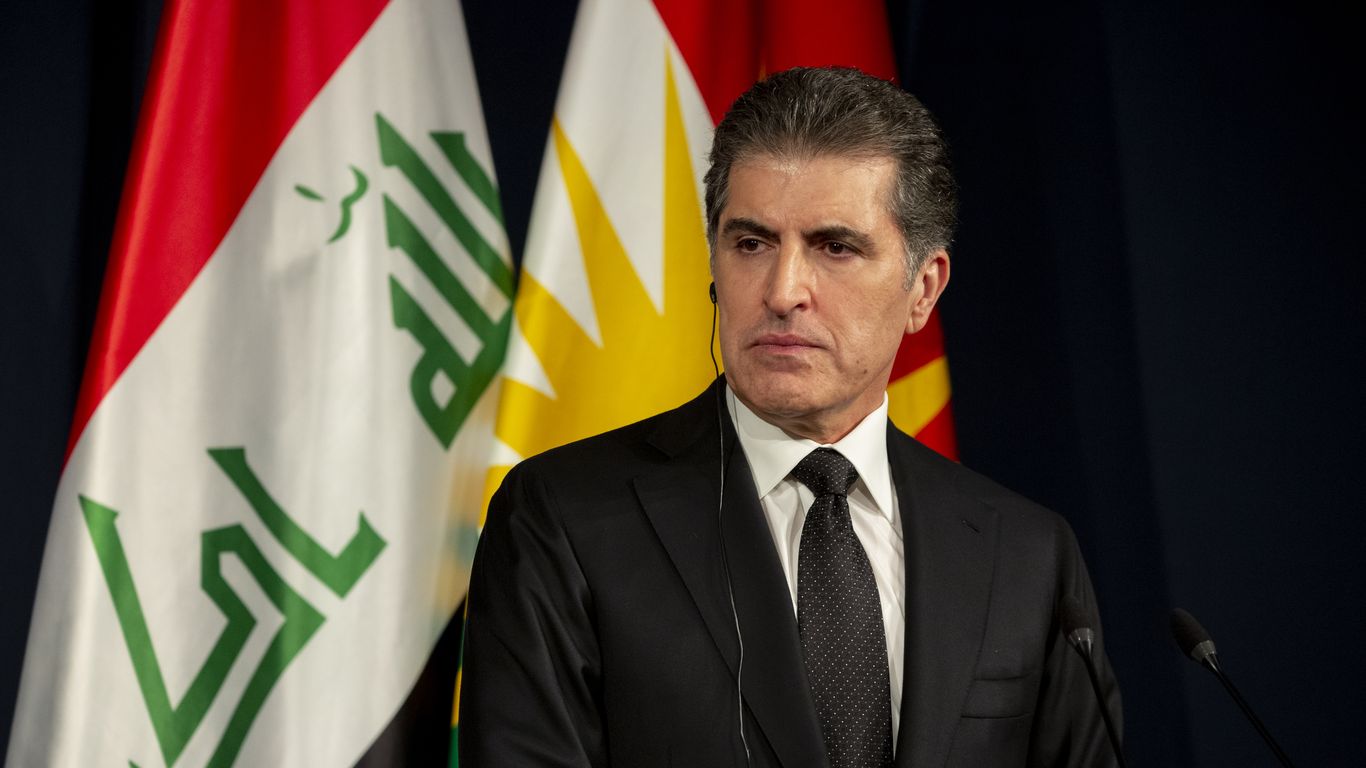
The Trump administration has established a backchannel to Iran's Islamic Revolutionary Guard Corps through Nechirvan Barzani, the president of the Kurdistan region in Iraq. This move was made after US negotiators questioned whether Iranian negotiators had the authority to make a deal.
In mid-May, US negotiators trying to reach a deal with Iran to end the war encountered a problem: they couldn't tell if the people across the table actually spoke for the country's powerful Islamic Revolutionary Guard Corps. To address this issue, the Trump administration established a backchannel to IRGC leadership through Nechirvan Barzani, who has the trust of both US and IRGC leaders. Barzani was asked by then-Director of National Intelligence Tulsi Gabbard to reach out to IRGC commander Gen. Ahmad Vahidi.
Barzani agreed to Gabbard's request and reached out to his contacts at the IRGC, eventually speaking directly to Vahidi. Vahidi stated that he was aligned with the Iranian negotiators and preferred to solve the crisis through negotiations. After receiving the Iranian response, the Trump administration came back with another proposal, which included hosting secret talks between senior US and Iranian negotiators in Erbil. However, the Erbil meeting never materialized due to Iranian concerns about their security.
The Pakistani and Qatari mediators continue to exchange messages between the US and Iran, but without significant progress. Barzani has recently sent messages to the White House offering to help restart US-Iran negotiations. The issue of Iran's policy on the Strait remains a major obstacle to any potential deal.
Go Deeper
What is the main issue in US-Iran negotiations?
The main issue is ensuring that the US is talking to the people who are actually in charge in Iran, particularly the Islamic Revolutionary Guard Corps.
Who is Nechirvan Barzani and what is his role?
Nechirvan Barzani is the president of the Kurdistan region in Iraq and has been used as a backchannel to the IRGC due to his relationships with both US and IRGC leaders.
What was the outcome of the backchannel talks?
The backchannel talks resulted in IRGC commander Gen. Ahmad Vahidi stating that he was aligned with the Iranian negotiators and preferred to solve the crisis through negotiations.
Why did the proposed Erbil meeting not occur?
The Erbil meeting did not occur due to Iranian concerns about their security, specifically the presence of Israeli intelligence assets in Iraqi Kurdistan.
What is the current state of US-Iran negotiations?
The Pakistani and Qatari mediators continue to exchange messages between the US and Iran, but without significant progress, and Barzani has offered to help restart negotiations.
More politics
 politics
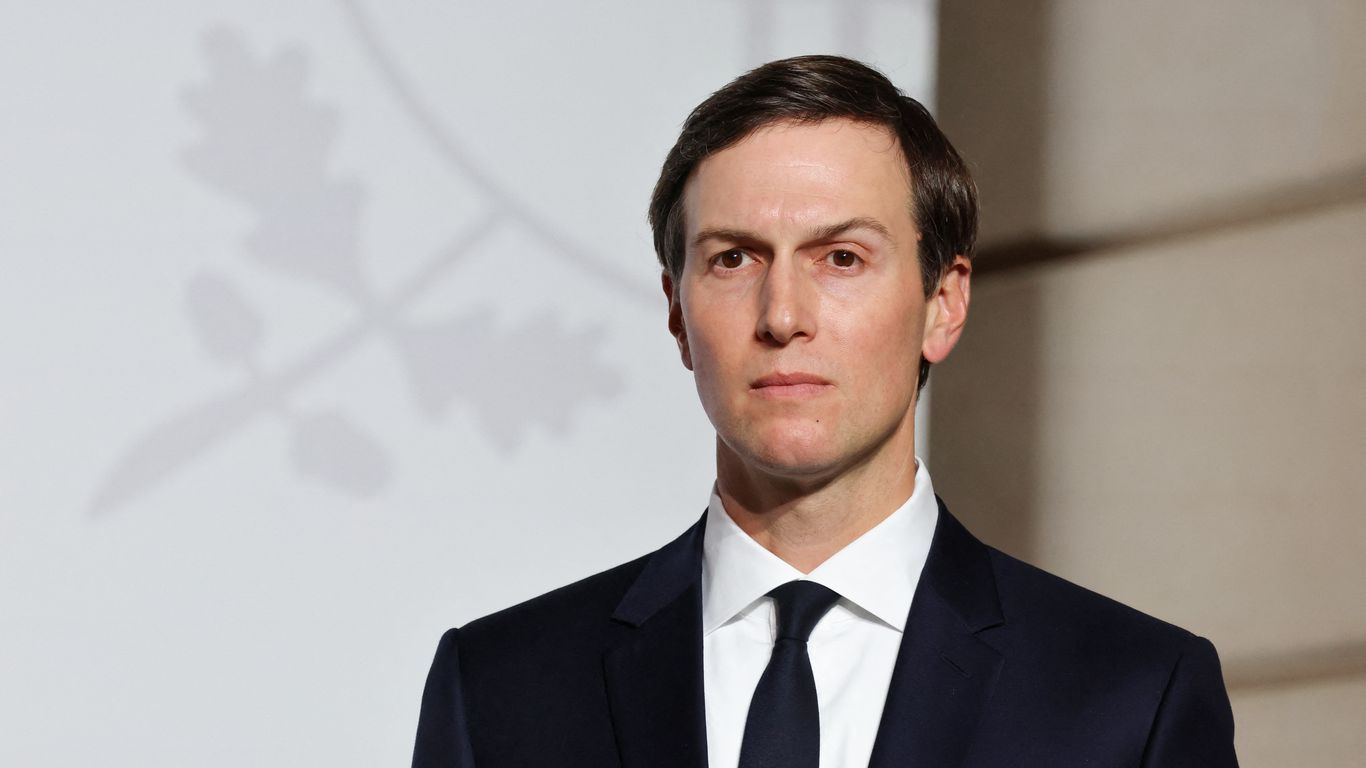
Jared Kushner Meets Hamas Leaders in Egypt
Jared Kushner, President Trump's envoy, met with Hamas leaders in Egypt on Sunday to discuss their commitment to disarm. The meeting was part of the U
Aug 16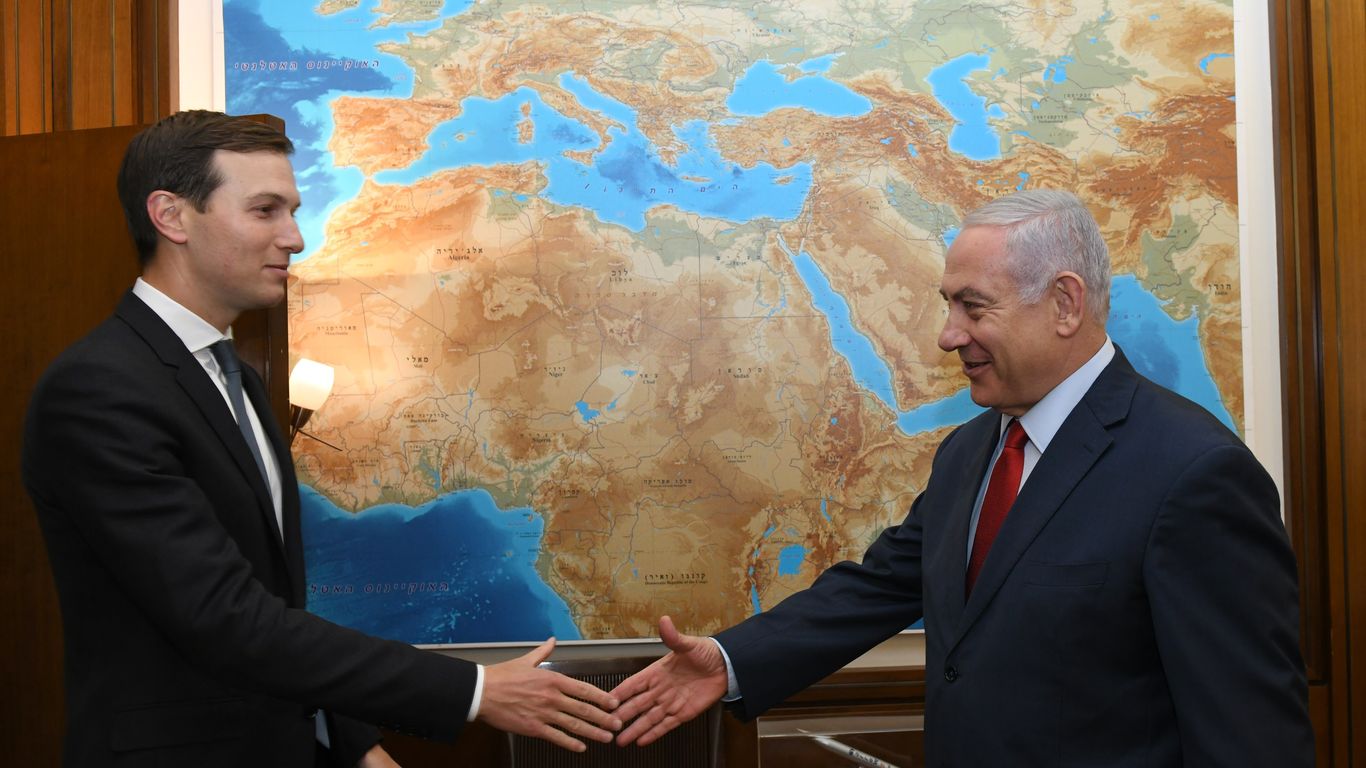 politics
Jared Kushner to Visit Israel and Egypt for Gaza Talks
Jared Kushner, President Trump's envoy, will visit Israel and Egypt next week to discuss the situation in Gaza. The trip is part of the White House's
Aug 16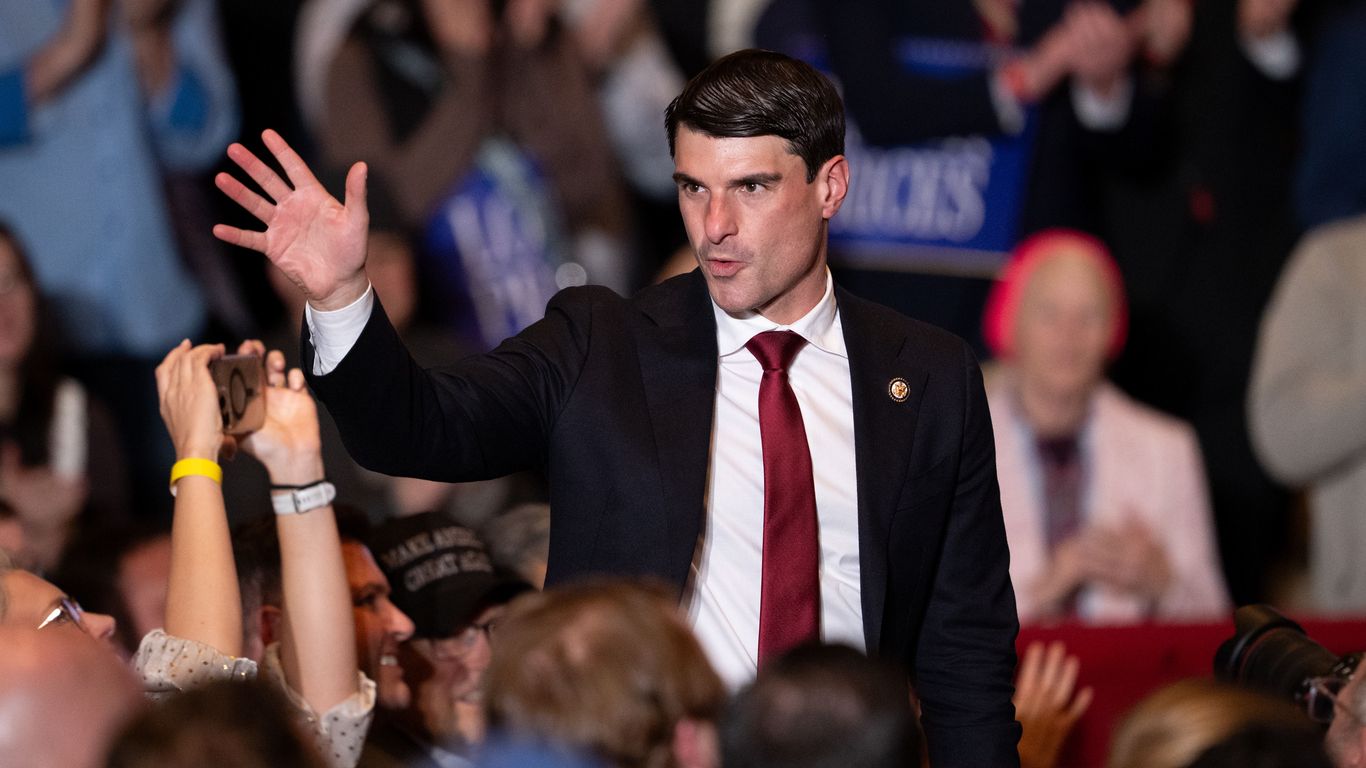 politics
Group spends $9 million on ads praising GOP vote on stock trading bill
A Republican-aligned group is spending $9 million on advertisements that praise GOP lawmakers for supporting a ban on congressional stock trading. Hou
Aug 16