
Utilities Prioritize Wildfire Resilience in US Electric Grid Expansion
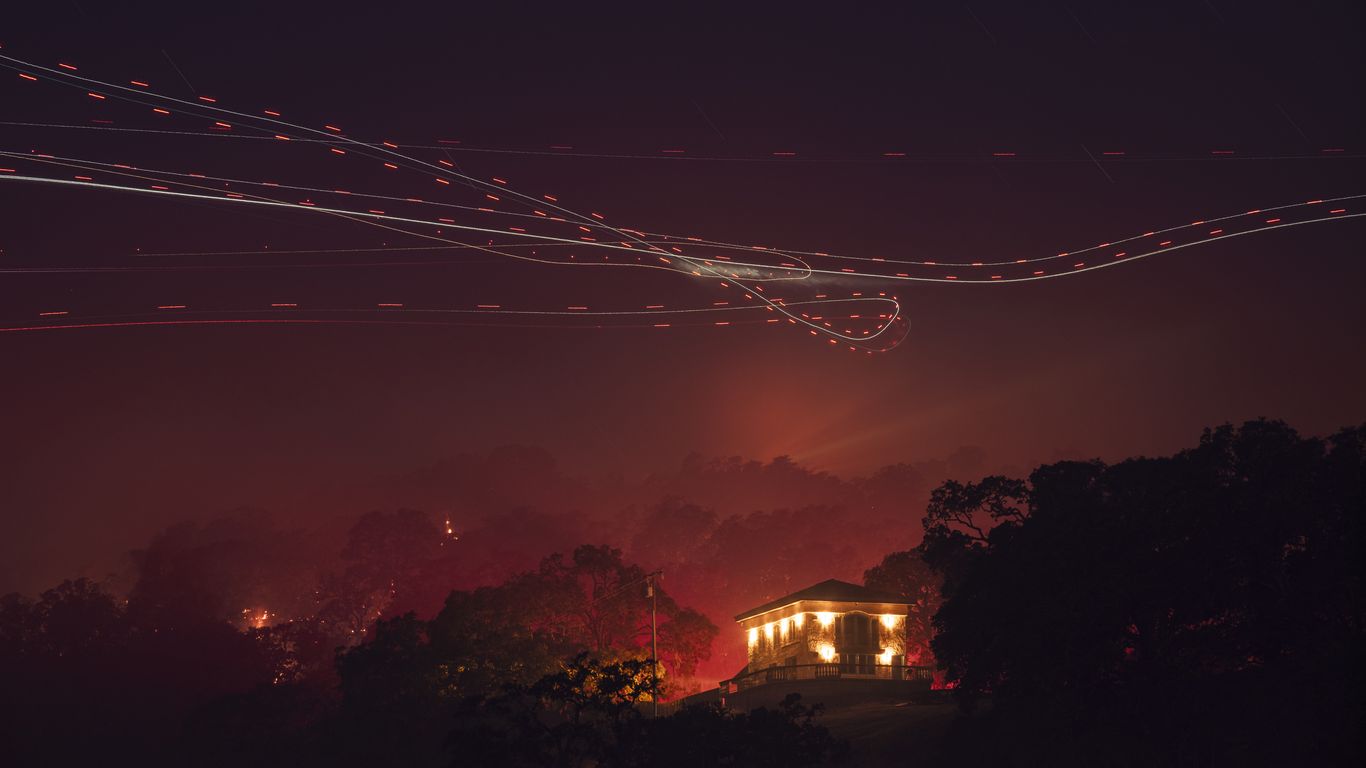
Years of destructive wildfires are forcing utilities to design the next generation of the US electric grid to withstand a more fire-prone climate. The US is embarking on one of the biggest grid expansions in decades, with utilities combining weather models and infrastructure data to prioritize resilience investments.
Utilities are changing the way they plan the US electric grid due to the increasing risk of wildfires. This year's wildfire season is exceeding the 10-year average for both the number of fires and acres burned. The US is embarking on a major grid expansion, with utilities designing the grid to withstand a more fire-prone climate.
Utilities are using a combination of weather models, wildfire behavior, infrastructure data, and population impacts to help prioritize resilience investments. Nadia Panossian, an electrical engineering researcher at the National Laboratory of the Rockies, says this approach helps utilities make informed decisions about where to invest in resilience. Seth Guikema, a University of Michigan professor of civil and environmental engineering, notes that undergrounding power lines can also improve resilience to hurricanes, winter storms, and other hazards.
Wildfires are already affecting how utilities operate, disrupting the power system by damaging equipment, forcing utilities to cut power, and reducing solar generation when smoke blocks sunlight. Preventing outages is no longer enough, and utilities now have to incorporate wildfire resilience into grid projects. California was one of the first states to require investor-owned utilities to publish wildfire resilience plans, and other states have adopted similar approaches as wildfire risk grows.
Some utilities are experimenting with microgrids that can disconnect from the main grid and keep supplying power during outages. However, these investments can be cost-prohibitive, and regulators are limiting resilience investments due to cost concerns. The US needs thousands of miles of new transmission to connect renewables, storage, and data centers, and much of the existing grid needs to be replaced. As utilities evaluate these upgrades, they are looking for opportunities to build wildfire resilience into these projects.
Go Deeper
What is driving the need for wildfire resilience in the US electric grid?
Years of destructive wildfires are forcing utilities to prioritize wildfire resilience as they plan the next generation of the US electric grid. The increasing risk of wildfires is becoming a defining challenge for utilities.
How are utilities incorporating wildfire resilience into grid projects?
Utilities are combining weather models, wildfire behavior, infrastructure data, and population impacts to help prioritize resilience investments. They are also experimenting with microgrids and undergrounding power lines to improve resilience.
What is the current state of wildfire risk in the US?
This year's wildfire season is exceeding the 10-year average for both the number of fires and acres burned. Wildfire risk is spreading beyond the West, and utilities are taking steps to incorporate wildfire resilience into grid projects.
What are the challenges of investing in wildfire resilience?
Investing in wildfire resilience can be cost-prohibitive, and regulators are limiting resilience investments due to cost concerns. Utilities must balance the cost of resilience investments with the risk of wildfires.
What is the future of the US electric grid in terms of wildfire resilience?
The US is embarking on one of the biggest grid expansions in decades, with utilities designing the grid to withstand a more fire-prone climate. The next generation of the US grid will be built with wildfire resilience in mind, using lessons learned from California and other states.
More us
Social Media Platforms' Ad Vetting Process
Social media users may encounter ads that are not thoroughly vetted by the platforms. These ads can potentially be scams, and users should be cautious
Aug 19 us
usMan Charged with Federal Hate Crimes for Attack at New York City Synagogue
Larry Montes has been charged with federal hate crimes for allegedly attacking a 63-year-old woman and a security guard at a New York City synagogue.
Aug 19 us
usLindsay Clancy's Trial Continues with Defense Witnesses
The defense in the Lindsay Clancy murder trial presented multiple witnesses on Tuesday. Clancy has admitted to killing her three children in 2023, but
Aug 18