
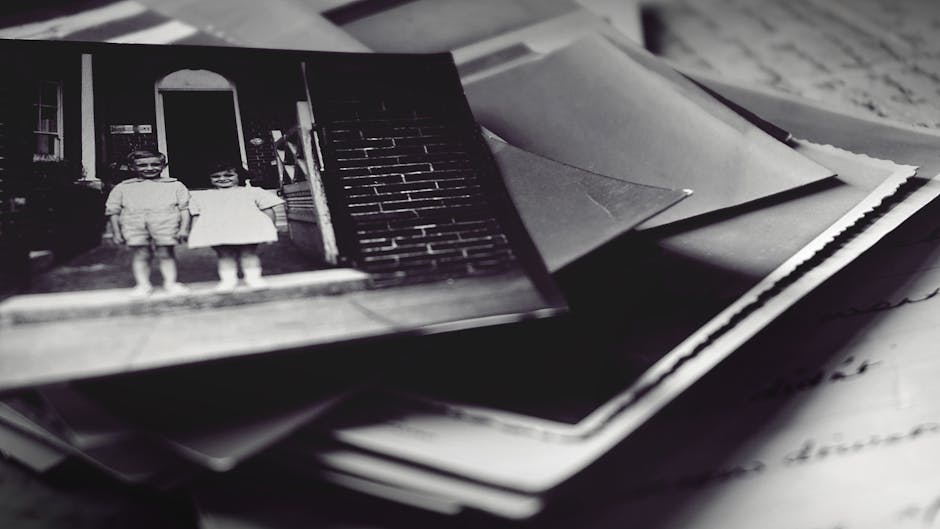
<h2>Why a Photo Archive Matters at 80+</h2><p>At this stage of life, photographs are more than images; they are visual anchors for family stories, cultural roots, and personal milestones. A well‑organized archive gives grandchildren a tangible link to their heritage and provides a reliable resource when you share memories or answer curious questions.</p> <h2>Gathering the Materials</h2><h3>Start with What’s Near</h3><p>Begin by collecting albums, shoeboxes, and loose prints that are already in your home. Include items from:</p> <ul> <li>Old photo albums on a bookshelf</li> <li>Photographs stored in attics or basements</li> <li>Digital images on a computer or external hard drive</li> <li>Picture frames around the house</li> </ul> <h3>Ask for Help</h3><p>Enlist a trusted adult child or grandchild to help carry heavier boxes and to handle any delicate items. Their assistance reduces physical strain and invites them into the process early, fostering a shared sense of purpose.</p> <h2>Sorting and Categorizing</h2><h3>Use Simple Categories</h3><p>Arrange photos into broad groups that make sense for your family’s history. Common categories include:</p> <ul> <li><strong>Chronology</strong> – by decade or significant life events</li> <li><strong>Relationships</strong> – parents, siblings, grandchildren, extended family</li> <li><strong>Occasions</strong> – holidays, weddings, reunions, milestones</li> <li><strong>Places</strong> – hometown, travel, community events</li> </ul> <p>Label each pile with a sticky note; this visual cue helps you see the scope of the project and prevents duplication of effort later.</p> <h3>Set Aside “Uncertain” Items</h3><p>When you encounter a photo you can’t identify, place it in a separate pile labeled “Research Needed.” This prevents frustration and allows you to focus on the bulk of the collection first.</p> <h2>Adding Context: Captioning and Annotation</h2><p>Every photograph gains meaning when accompanied by a short caption. Aim for concise, factual notes that future generations can rely on:</p> <ul> <li><strong>Who</strong> is in the picture – names, nicknames, and relationships</li> <li><strong>When</strong> it was taken – year, month, or at least a season</li> <li><strong>Where</strong> it was taken – location, venue, or a landmark</li> <li><strong>Why</strong> it matters – brief description of the occasion or significance</li> </ul> <p>Write these notes on acid‑free paper or directly on the back of the photo with a soft‑lead pencil. If you prefer a digital approach, type the captions in a spreadsheet with columns for each of the elements above.</p> <h2>Preserving Physical Photos</h2><h3>Choose Archival Supplies</h3><p>Invest in acid‑free sleeves, folders, and storage boxes. These protect against yellowing and physical damage. Store the boxes in a climate‑stable area—away from direct sunlight, extreme heat, and moisture.</p> <h3>Create a Master Album</h3><p>After sorting, place the most frequently referenced photos (such as recent family portraits) in a lightweight, leather‑bound album that can be easily opened during visits. This album becomes the go‑to resource for sharing stories without handling fragile items.</p> <h2>Digitizing for Longevity</h2><p>Digital copies guard against loss from fire, flood, or accidental damage. Follow these steps:</p> <ul> <li><strong>Scan at 300‑dpi</strong> for standard prints; use 600‑dpi for negatives or slides.</li> <li><strong>Name files consistently</strong>, e.g., "1975_Grandma_Birthday_001.jpg".</li> <li><strong>Back up</strong> to two locations: an external hard drive and a reputable cloud service.</li> <li><strong>Embed captions</strong> in the file’s metadata or keep a parallel spreadsheet.</li> </ul> <p>If scanning feels overwhelming, consider a local library or senior‑center service that offers scanning assistance at a low cost.</p> <h2>Involving Grandchildren in the Process</h2><h3>Make It Interactive</h3><p>Invite grandchildren to help with captioning or to locate items in the “Research Needed” pile. Their curiosity often reveals forgotten stories, and the activity doubles as a bonding moment.</p> <h3>Teach Simple Skills</h3><p>Show them how to use a scanner, how to upload images to a shared folder, and how to organize files. These digital skills become a lasting gift that they can pass on to their own children.</p> <h2>Sharing the Finished Archive</h2><p>Once the physical and digital collections are complete, distribute access in ways that respect each family member’s comfort level:</p> <ul> <li>Print a compact photo book highlighting key events for those who prefer paper.</li> <li>Share a password‑protected online album for tech‑savvy relatives.</li> <li>Leave the master album in a common area of your home for spontaneous storytelling.</li> </ul> <p>Explain where the backup copies are stored and who holds the keys. Clear instructions prevent future disputes and ensure the archive remains usable.</p> <h2>Maintaining the Archive Over Time</h2><p>Periodically review the collection—perhaps once a year when family gatherings occur. Add new photos, update captions, and verify that digital backups are still accessible. A small, regular habit keeps the archive alive and prevents the workload from building up.</p> <h2>Conclusion: A Living Legacy</h2><p>By turning a scattered pile of photographs into an organized, annotated archive, you provide your family with a reliable visual history that complements the stories you already tell. This practical, hands‑on project honors the richness of a life well lived while ensuring that future generations can see, understand, and cherish the moments you have treasured.</p>
Family
Curating Your Family Photo Archive: A Step‑by‑Step Guide for the 80‑Year‑Old Keeper
Affiliate disclosure: This page may contain affiliate links (including Amazon). 50 Plus Hub may earn a commission at no extra cost to you. We also recommend our own assessments and products when they fit.
Protect Your Family With a Will
Create a will or living trust online in minutes. Confirm today's price on the estate site.
Start Estate PlanningRecommended for You
Hand-picked resources related to this article
Estate
Trust & Will
Protect your family with an estate plan. Wills from $159, trusts from $399.
Family
Ethos Life Insurance
Affordable life insurance with no medical exam. Protect your loved ones.
Care
A Place for Mom
Free senior living advisory service. Find the right care for your loved one.
Affiliate disclosure: We may earn a commission at no cost to you.