
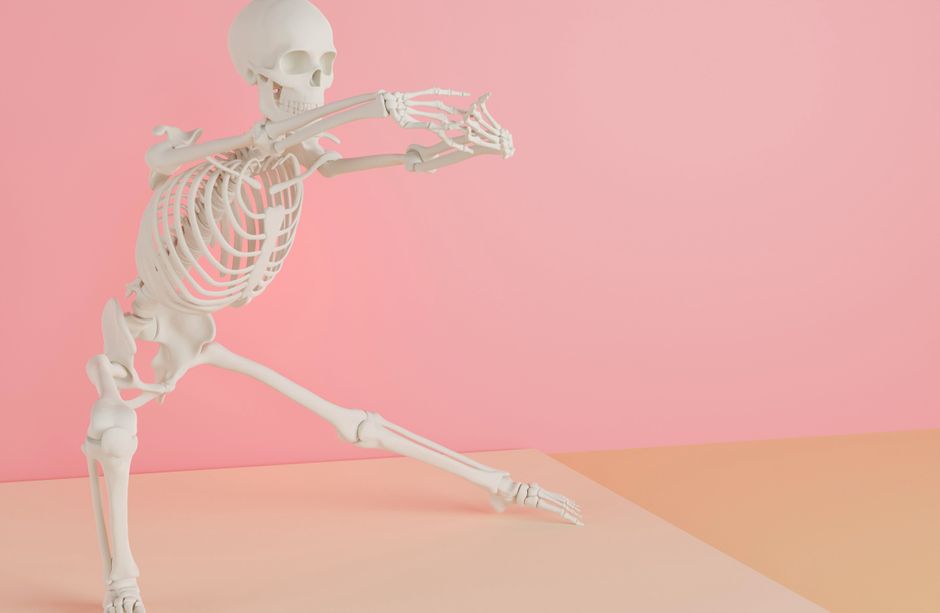
According to the National Institutes of Health, more than 53 million people in the United States have osteoporosis or are at high risk of developing it due to low bone mass. This condition can significantly impact quality of life, especially for adults over 50.
Understanding how to maintain healthy bones is crucial for preventing osteoporosis and fractures, and it starts with a basic understanding of bone health.
Understanding Bone Health
Bones are living tissues that are constantly being remodeled through a process involving bone resorption and bone formation. As we age, the rate of bone resorption can exceed that of bone formation, leading to a net loss of bone mass.
This process can be influenced by genetics, nutrition, and physical activity. For example, a study published in the Journal of Bone and Mineral Research found that regular exercise can help maintain bone density in older adults.
Nutrition for Bone Health
A diet rich in calcium and vitamin D is essential for maintaining healthy bones. Calcium is a critical component of bone tissue, and vitamin D helps the body absorb calcium.
Foods high in calcium include dairy products, leafy greens, and fortified cereals. Vitamin D can be found in fatty fish, fortified dairy products, and sunlight exposure. The National Institutes of Health recommends that adults over 50 consume at least 1,200 mg of calcium and 600-800 IU of vitamin D per day.
Exercise for Bone Health
Regular exercise, especially weight-bearing and resistance exercises, can help maintain bone density. Weight-bearing exercises, such as walking, jogging, and dancing, can help strengthen bones in the legs, hips, and spine.
Resistance exercises, such as weightlifting and bodyweight exercises, can help strengthen bones in the arms and upper body. The Centers for Disease Control and Prevention recommend at least 150 minutes of moderate-intensity aerobic exercise per week, as well as muscle-strengthening activities on two or more days per week.
Lifestyle Changes for Bone Health
In addition to nutrition and exercise, lifestyle changes can also help maintain healthy bones. Quitting smoking and limiting alcohol consumption can help reduce the risk of osteoporosis.
Getting enough sleep, managing stress, and avoiding excessive caffeine consumption can also help maintain bone health. The American Academy of Sleep Medicine recommends that adults aim for 7-9 hours of sleep per night.
Medications and Supplements for Bone Health
In some cases, medications and supplements may be necessary to maintain bone health. Bisphosphonates, such as alendronate and risedronate, can help slow bone loss and reduce the risk of fractures.
Calcium and vitamin D supplements can also be helpful for individuals who are not getting enough through their diet. However, it is essential to consult with a healthcare provider before starting any new medications or supplements.
Monitoring Bone Health
Regular bone density tests can help monitor bone health and detect any potential issues. The most common test is a dual-energy X-ray absorptiometry (DXA) scan, which measures bone density in the hips and spine.
The National Osteoporosis Foundation recommends that women over 65 and men over 70 have a bone density test every two years.
Conclusion
Maintaining healthy bones after 50 requires a combination of nutrition, exercise, and lifestyle changes. By understanding how to maintain bone health, adults over 50 can reduce their risk of osteoporosis and fractures, and maintain their overall health and well-being.
Calcium and Vitamin D Content in Foods
| Food | Calcium (mg) | Vitamin D (IU) |
|---|---|---|
| Milk (1 cup) | 300 | 100 |
| Yogurt (1 cup) | 300 | 100 |
| Cheese (1 oz) | 200 | 10 |
| Salmon (3 oz) | 200 | 600 |
| Fortified cereal (1 cup) | 100 | 40 |
| Spinach (1 cup) | 200 | 0 |
Maintaining healthy bones after 50 requires a proactive approach that includes a balanced diet, regular exercise, and lifestyle changes. By understanding how to maintain bone health, adults over 50 can reduce their risk of osteoporosis and fractures, and maintain their overall health and well-being.
Consult with a healthcare provider to develop a personalized plan for maintaining healthy bones.
Sources
- National Institutes of Health, 'Osteoporosis and Related Bone Diseases', 2022
- Centers for Disease Control and Prevention, 'Exercise and Bone Health', 2022
- American Academy of Sleep Medicine, 'Sleep and Bone Health', 2022
- National Osteoporosis Foundation, 'Bone Density Test Results', 2022
- Journal of Bone and Mineral Research, 'Exercise and Bone Density in Older Adults', 2020
- National Institutes of Health, 'Calcium and Vitamin D', 2022