
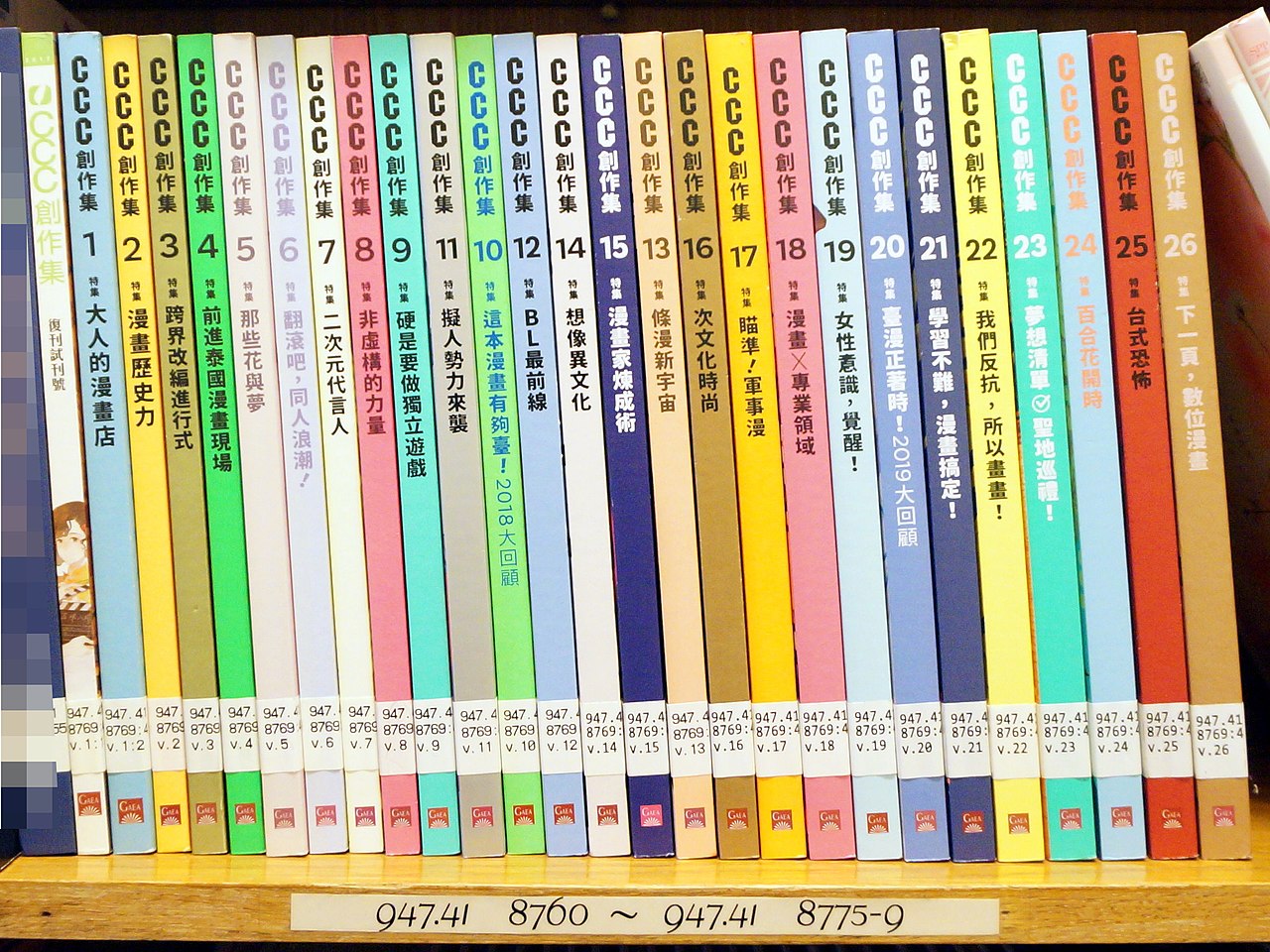
Comic Book Collecting
Comic book collecting brings together everything that makes a hobby wonderful: nostalgia for the characters you grew up with, beautiful cover art, great stories, and the pure fun of the treasure hunt. You can start with a shoebox and a few dollars, chase down the issues that meant something to you, and slowly build a collection that is genuinely yours. It is relaxing, it is social, and it gives you a reason to visit shops, shows, and friendly online communities.
What you need to start
- A few comics you love, to build around
- Bags and backing boards to protect them
- A short or long storage box for your shelf
- A price guide or app to look things up
At a glance
Your learning path
Three stages, taken at your own pace. Start at the top, get comfortable, then move down as you grow. There is no rush, and no wrong place to begin.
Brand new to comic collecting? Start right here. These friendly guides show you how to get going, what kinds of comics to look for, how condition works, and the simple way to protect every book you own.
How to Start Collecting Comics Without Getting Burned
Thinking CriticalCOMIC BOOK ERAS EXPLAINED | Golden Age, Silver Age, Copper Age Comics | Comic Book History
Comics Are DopeWhat you need to know about Comic Grading
FAN EXPOHow To Bag and Board Your Comic Books - Explained
Highland GGetting comfortable? These next steps help you spot the issues that matter, buy and sell with confidence, understand professional grading, store your collection the right way, and hunt down the back issues you are missing.
What Makes a Comic Book A KEY? | For New Comic Collectors
Jerno's Comics & Pop CultureHow to Sell Comics or a Collection
Regie Collects ComicsIntroduction to CGC Grading for New Comic Book Collectors
Comics 'n StuffHow To Properly Store and Preserve Your Comic Books
CGC ComicsSearch Dollar Bins for These CHEAP Key Comics | $1 Key Comic Book List - Affordable Speculation
ComicTom101Ready to go deeper? These cover the collector's craft: thinking about comics as an investment, reading the grading census, buying at the big auctions, spotting restoration and fakes, and understanding how the market has changed over the years.
Everything You Need To Know About Investing In Comic Books
Comic Book InvestmentsGrowth of the CGC Census What Does It Really Mean? | with Special Guest Uncanny Derek
Comic Collector GeekComic Book Collecting Advice from Heritage Auctions PRO
Keston's Old School Comic BooksRestoration on Comics and How To Spot It!
Automatic Comics1990's COMIC BOOK CRASH : HOW WE ALMOST KILLED COMIC BOOKS
I LOVE COMICSWhy comic book collecting is wonderful after 50
Comic collecting is a joy at any age, but it is especially rewarding after 50. There is the nostalgia of holding the characters and titles you grew up with, and the pleasure of really looking at the art and reading the stories with time to spare. There is the treasure hunt, too: the little thrill of digging through a dollar bin or a show and finding the very issue you have been wanting. Best of all, you can start affordably, with a few bags, a box, and books you already love, and grow the collection slowly, exactly at the pace that suits you.
Your first month, week by week
Decide what you love and want to collect, whether that is a favorite hero, a title, or a whole era. Gather the comics you already own and set out a shoebox to hold them for now.
Buy a pack of bags and backing boards and a proper storage box. Bag and board each comic, slide the board behind it, and stand the books upright so nothing bends or slumps.
Learn the basics of condition and the ages of comics from the beginner videos above. Look a few of your books up in a price guide or app so you begin to recognize what you have.
Go on your first hunt. Visit a local comic shop, dig through the dollar bins, and add a book or two you have been wanting. Enjoy how much more you already understand than a month ago.
Common mistakes to avoid
- Skipping bags and boards. Bare comics rub, curl, and get dinged, so protect every book with a bag and a backing board from the start.
- Storing comics flat in stacks, or in a hot attic or damp basement. Weight, heat, and moisture ruin them, so store books upright in a box in a cool, dry room.
- Buying only what is hot or hyped. Speculation fads come and go, so collect what you genuinely love and you will never regret a purchase.
- Folding covers, rolling comics, or reading them roughly. Open a comic gently and never crease the spine, especially with older or valuable books.
- Ignoring condition when buying or selling. A crease, a tear, or a missing staple changes the value a lot, so always look a book over carefully first.
- Rushing to grade or slab everything. Professional grading costs money and only makes sense for genuine keys, not for common reading copies.
Make it easier on your body
Simple ways to keep comic book collecting comfortable and safe with arthritis, low vision, or limited mobility.
- You can buy and browse entirely from home online, from marketplaces and shops to auction houses, with no need to travel or stand at a show.
- Digital comics let you read the same stories on a tablet and enlarge the panels, which is a real help for tired or low-vision eyes.
- Mylar bags and backing boards are lightweight and easy to handle, so protecting your books never calls for strength or fine finger work.
- Store short and long boxes on a shelf at about waist height so your collection is always within easy reach, with no bending or heavy lifting.
- Keep a good magnifier and a bright, glare-free light at your table so you can check condition and small details in comfort.
- Sit to sort, bag, and read at a comfortable table, spreading the pleasant work over a few relaxed sessions instead of one long stretch.
Words you'll hear
- Key issue
- A comic that collectors especially want, usually because something important happens in it, such as a first appearance, a first cover, or a major event. Keys hold their value best.
- First appearance
- The very first comic in which a character shows up. First appearances of popular heroes and villains are among the most sought-after and valuable books.
- CGC and grading
- CGC is the best-known company that professionally grades a comic's condition on a scale up to 10 and seals it in a protective case, giving buyers and sellers a trusted, agreed-upon grade.
- Slab
- The clear, sealed plastic case a comic is sealed in after professional grading. A slabbed book is protected and cannot be opened without breaking the case.
- Bag and board
- A clear protective sleeve (the bag) with a stiff backing card (the board) that supports a comic and keeps it flat and safe. The everyday way collectors protect their books.
- Variant
- An alternate cover for the same comic issue, often printed in smaller numbers. Some variants are common, while rare ones can be quite collectible.
- Golden and Silver Age
- Names for the great eras of comics. The Golden Age runs from the late 1930s to about 1950, and the Silver Age from the mid-1950s into the early 1970s, when many famous heroes were created.
Where to find your people
- Local comic shops, which are the heart of the hobby, with new arrivals, back-issue bins, and staff and regulars who love to talk comics.
- Comic conventions and collector shows, from small local gatherings to big weekend events, where dealers, dollar bins, and fellow fans are everywhere.
- Online marketplaces such as eBay, where you can search for almost any issue, compare prices, and buy and sell from the comfort of home.
- Collector forums and subreddits, such as the r/comicbooks and r/comiccollecting communities, where friendly hobbyists share finds, tips, and advice.
- The CGC community and its message boards, where collectors discuss grading, keys, and the market and welcome newcomers with questions.
Start learning Comic Book Collecting
Sign up for our free, friendly lessons and we will help you take the first step. Tell us where you are starting from and we will meet you there.


