
150 Research Primates Fall Ill, Damaging Lab and Vaccine Data
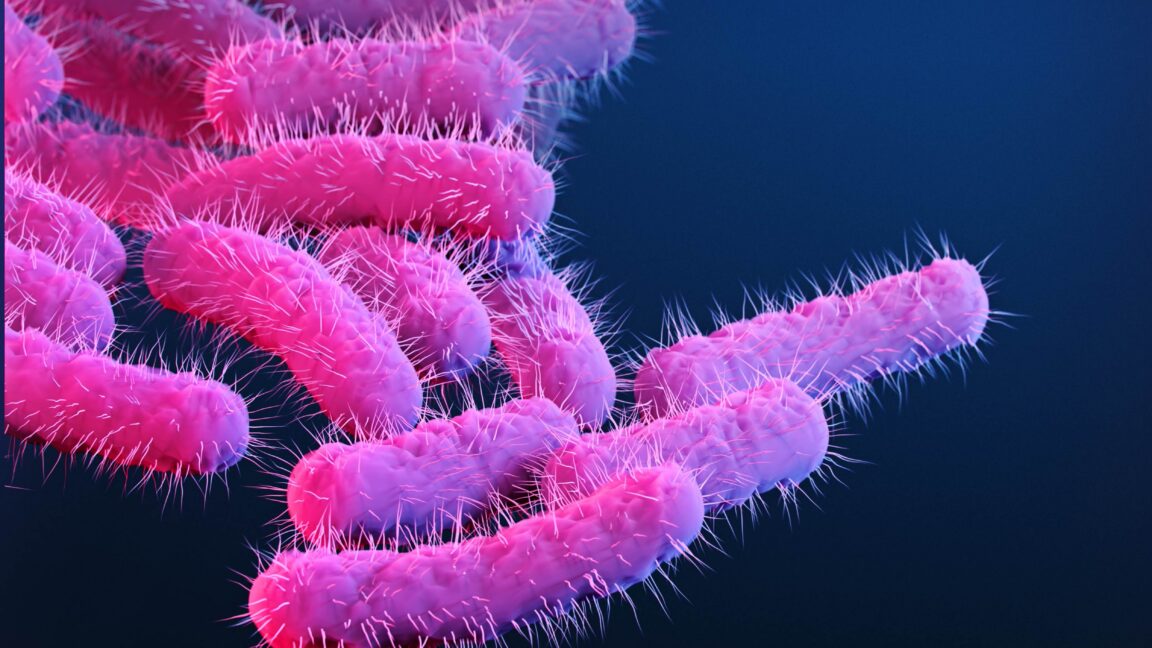
A lab housing research primates experienced a diarrheal outbreak affecting 150 animals, resulting in damage to the facility and loss of valuable vaccine data. Researchers had been working on a Shigella vaccine, but the incident has set back their progress.
On a recent date, a laboratory housing 150 research primates was hit with a diarrheal outbreak, causing damage to the facility and destroying priceless vaccine data. The lab was working on developing a vaccine for Shigella, a highly infectious disease that affects millions of people worldwide. Despite the setback, researchers say they now have clear new targets and insights for developing the vaccine. The incident highlights the challenges and unpredictability of working with live animals in a research setting. The lab is currently working to recover from the damage and resume their research. Researchers are hopeful that their new findings will ultimately lead to the development of an effective Shigella vaccine. The vaccine has the potential to save millions of lives, particularly in areas where the disease is prevalent. The researchers' work is ongoing, and they are determined to make progress despite the recent setback.
The diarrheal outbreak was unexpected, and the lab is still investigating the cause. The facility has implemented new safety measures to prevent similar incidents in the future. The researchers are also working to rebuild and restore their data, which was damaged in the flood. The incident serves as a reminder of the importance of having robust safety protocols in place when working with live animals and sensitive research materials.
Go Deeper
What is Shigella?
Shigella is a highly infectious disease that affects millions of people worldwide, causing severe diarrhea and dehydration. It is commonly spread through contaminated food and water.
How common is Shigella?
Shigella is a significant public health concern, particularly in areas with poor sanitation and hygiene. It is estimated to affect millions of people worldwide each year, resulting in thousands of deaths.
What are the symptoms of Shigella?
The symptoms of Shigella include severe diarrhea, abdominal pain, and dehydration. In severe cases, it can lead to life-threatening complications, such as kidney failure and sepsis.
How is Shigella typically treated?
Shigella is typically treated with antibiotics, which can help to reduce the severity and duration of symptoms. However, the development of antibiotic-resistant strains of the disease has made treatment more challenging in recent years.
Why is a vaccine for Shigella important?
A vaccine for Shigella is important because it has the potential to save millions of lives, particularly in areas where the disease is prevalent. It could also help to reduce the economic burden of the disease, which is significant in many parts of the world.
More technology
 technology
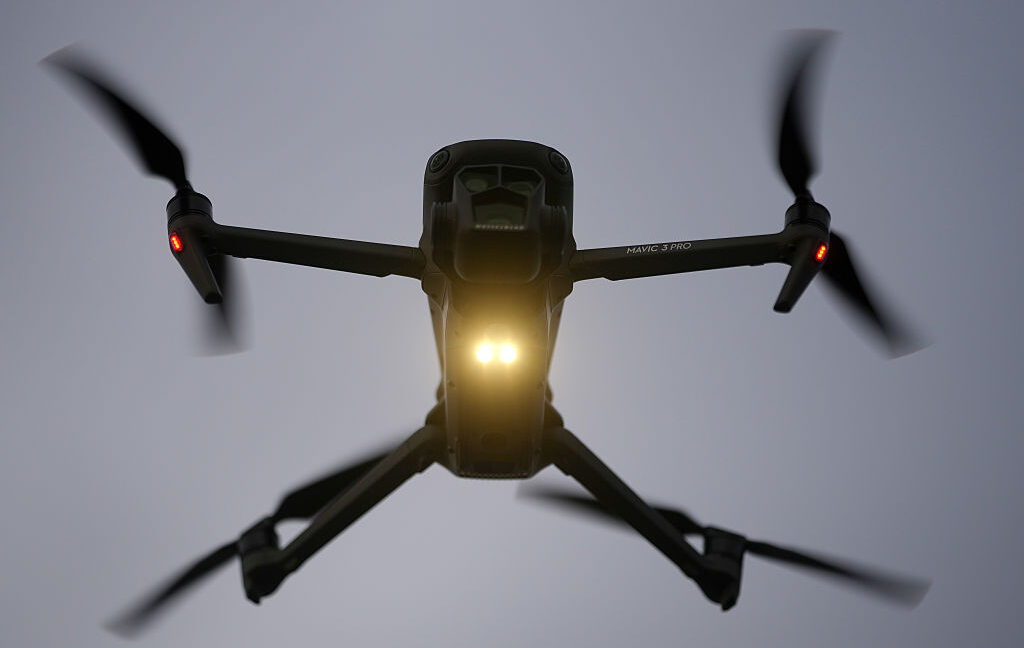
US Imposes 100% Tariff on Drones
The US has imposed a 100% tariff on drones, sparking concerns about the impact on the industry. Critics warn that the move could lead to higher prices
Sep 4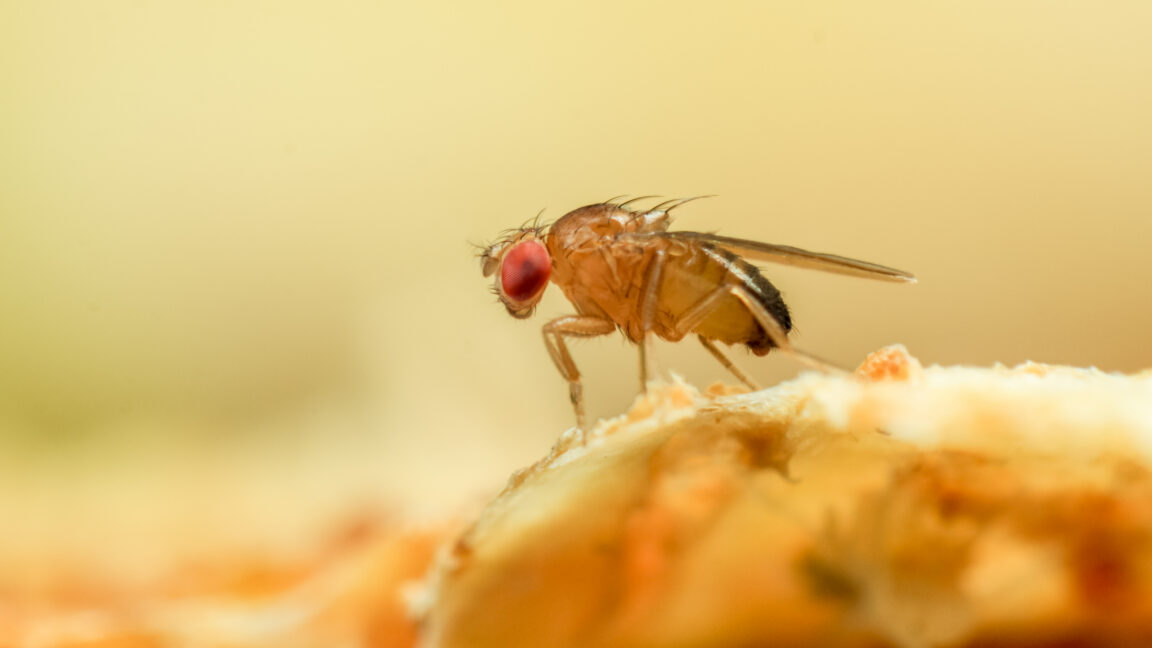 technology
New Algorithm Inspired by Insect Behavior
A new algorithm based on insect behavior can learn quickly and retain old information. This technology has potential applications in machine learning
Sep 4 technology
US Senator Seeks NSA Guidance on Choosing a VPN
A US senator has asked the National Security Agency for guidance on selecting a virtual private network. The senator is seeking help in navigating the
Sep 4